
Laguna Beach Financial Elder Abuse Attorney
Top Ranked Trust & Probate Lawyers in California
5-Star Client Rating | Read Our Reviews
Laguna Beach Financial Elder Abuse Lawyers
At Max Alavi, Attorney at Law, we are dedicated to protecting the rights and financial well-being of seniors in Laguna Beach facing the threat of financial elder abuse. With a compassionate approach and a deep understanding of the complexities surrounding elder financial exploitation, our team offers seasoned guidance and tenacious representation. Clients choose Max Alavi, Attorney at Law for our experience, personalized service, and unwavering commitment to justice. We pride ourselves on:
- Extensive expertise exclusively in Financial Elder Abuse cases
- A client-centered approach, tailored to each unique situation
- Prompt, confidential consultations in Laguna Beach
“Max Alavi, Attorney at Law stands by your side, giving you and your loved ones the protection, respect, and peace of mind you deserve.”
Our Trust Litigation Case Process

1. Case Evaluation
We begin with a full review of the trust, will, financial records, and family history. Our legal team will identify your rights, deadlines, and the best legal path before anything is filed.

2. Court Filings
The case formally begins when a probate petition or trust lawsuit is filed in California probate court, often in Orange County Superior Court. This step sets the legal issues, brings all parties into the case.

3. Discovery and Settlement
Both sides exchange documents, take depositions, and file motions to address disputes. Many trust and probate cases resolve here through settlement discussions or court ordered mediation.

4. Trial and Resolution
If no agreement is reached, the case proceeds to trial before a probate judge. After a ruling, the court orders distributions, removals of fiduciaries, or financial recovery, and we handle enforcement or appeals if needed.
Begin Your Free Case Evaluation Now
Call to schedule a free and confidential consultation with a trust litigation lawyer.

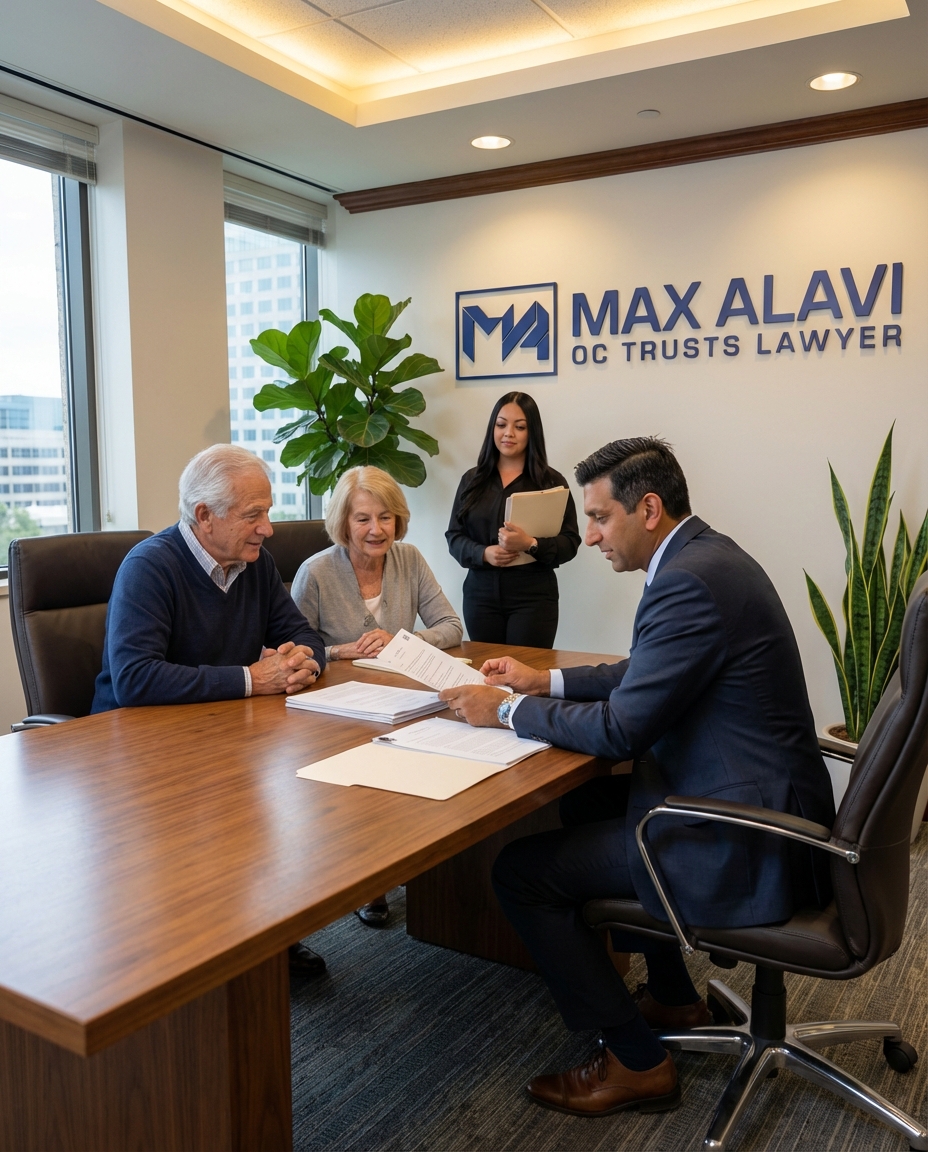
About Max Alavi, Attorney at Law
Rooted in a tradition of excellence, Max Alavi, Attorney at Law has become a cornerstone in the Laguna Beach legal community by offering skillful and compassionate representation. With a primary focus on Financial Elder Abuse, the firm brings decades of collective experience to every case, ensuring that the vulnerable and their families are protected with the utmost diligence. Since its inception, Max Alavi, Attorney at Law has championed a client-centered approach—listening intently, strategizing carefully, and advocating tenaciously—which has contributed to its strong reputation for effective and ethical legal service.
From its offices in Laguna Beach, Max Alavi, Attorney at Law stands apart by blending legal expertise with a personal touch that prioritizes trust, transparency, and integrity. The team’s unique ability to handle complex Financial Elder Abuse matters—alongside many other areas of practice—reflects a deep commitment to safeguarding clients’ rights and legacies. Grounded in the values expressed on their founding About Us page, the firm is dedicated not only to legal excellence but also to fostering long-term relationships built on respect, clear communication, and unwavering support throughout every stage of the legal process.
An Interesting Fact About Financial Elder Abuse in Laguna Beach
California law recognizes that financial elder abuse doesn’t always require an obvious theft or scam—it can include situations where someone with a power of attorney or financial authority in Laguna Beach misuses those privileges, even without directly stealing assets. Courts may intervene if an elder’s finances are being mismanaged, and suspicious patterns such as unusual bank withdrawals or sudden changes to estate documents can be grounds for investigation under California financial elder abuse statutes.
Overview of Financial Elder Abuse Laws in Laguna Beach
Financial elder abuse in Laguna Beach is regulated by a combination of California state statutes and local provisions, designed to protect seniors from exploitation and undue influence over their assets. As outlined by Max Alavi, Attorney at Law, financial elder abuse can take many forms, including unauthorized use or theft of funds, coercion in creating wills or trusts, and manipulation of financial accounts. California’s Welfare and Institutions Code Section 15610.30 specifically defines financial abuse of an elder as the wrongful appropriation or use of a senior’s money, property, or assets by another individual or entity. The legal framework in Laguna Beach requires victims, family members, or other concerned parties to report suspected abuse to Adult Protective Services or local law enforcement, triggering an investigation and potential court proceedings where evidence of undue influence, fraud, or misappropriation will be closely examined.
- Financial elder abuse cases often involve immediate court intervention, asset freezing, and protective orders to prevent further harm.
- Perpetrators may face civil penalties, restitution requirements, and, in egregious cases, criminal prosecution under California law.
- Resolutions can include restorative actions such as reversing invalid transactions or revising estate planning documents.
"Potential resolutions for financial elder abuse in Laguna Beach may involve not only recovering stolen assets but also implementing stronger estate planning measures to prevent future exploitation.” – Guidance from Max Alavi, Attorney at Law
With considerable expertise in Laguna Beach elder law matters, Max Alavi, Attorney at Law is well-equipped to help clients navigate the intricate local regulations and court processes governing these sensitive cases. Their deep understanding of California’s multifaceted statutory protections enables them to effectively pursue civil remedies, coordinate with law enforcement, and advocate for victims’ rights in probate or civil court. Clients benefit from the firm’s strategic approach to documenting abuse, challenging suspect transactions, and ensuring compliance with local court procedures. Above all, the insights provided by Max Alavi, Attorney at Law help families protect their loved ones’ financial security and swiftly respond to allegations or signs of elder exploitation in Laguna Beach.
Other Services Available
Financial Elder Abuse |
https://www.octrustslawyer.com/financial-elder-abuse/ |
Compassionate Representation from Trusted Financial Elder Abuse Attorneys at Max Alavi, Attorney at Law
If you or a loved one are facing issues related to financial elder abuse, don't wait to get the legal protection you need. The experienced attorneys at Max Alavi, Attorney at Law are here to thoroughly evaluate your situation and build a strong case to defend your rights. We offer a free, 30-60 minute initial consultation to discuss your concerns and guide you through your legal options. For dedicated support and peace of mind, contact us today at (949) 706-1919.
Laguna Beach Demographics
Laguna Beach is a coastal city in southern Orange County, California, known for its scenic beauty, tourism, and vibrant arts community. According to recent U.S. Census Bureau data, the city’s population stands at approximately 22,700–23,000 residents. Laguna Beach exhibits a relatively mature age profile, with a median age above the California average—around 51 years—reflecting a substantial proportion of retirees and older adults. Children and young families represent a smaller segment of the total population compared to other cities in the region.
- Population Diversity: The city is predominantly White (about 85%), with smaller percentages of Hispanic or Latino (approximately 10%), Asian, African American, and other racial groups.
- Socioeconomic Indicators: Laguna Beach has a high median household income, estimated at $135,000–$140,000 annually, and a high per capita income reflecting significant wealth held by many permanent residents.
- Poverty and Cost of Living: The poverty rate is comparatively low (below 6%), though the overall cost of living and real estate prices are substantially above national and state averages.
- Trends: Recent years have seen steady population stability, an influx of affluent retirees, and continued popularity as a second-home community.
Laguna Beach’s demographics, characterized by significant numbers of older adults, high income levels, and relative homogeneity, present unique challenges and considerations—especially for families and elders navigating complex financial and legal matters.
Laguna Beach Probate Court System
Legal matters pertaining to probate, trusts, estates, wills, and protected persons in Laguna Beach are handled through the Superior Court of California, County of Orange. Probate proceedings, including those involving financial elder abuse, are centralized primarily at the court’s Central Justice Center in Santa Ana. The structure and relevant features of the probate court system include:
- Key Court: Probate Division of the Orange County Superior Court (Central Justice Center, Santa Ana).
- Case Types: Administration of decedents’ estates, trust litigation, will contests, conservatorships, guardianships, spousal property petitions, and elder or dependent adult financial abuse proceedings.
- Unique Features:
- Dedicated Probate and Mental Health Division offers focused resources and specialized staff for managing sensitive matters involving elders and financial abuse.
- Availability of Adult Protective Services (APS) and local law enforcement liaisons to assist with suspected elder abuse, including emergency conservatorship requests (Lanterman-Petris-Short Act proceedings for those in immediate harm).
- Electronic case access, public record transparency, and online filing/watching systems enhance accessibility for attorneys and families.
- Probate court observes strict local rules regarding notice, filing deadlines, and procedures specifically designed to protect the interests of elders and dependent adults.
Residents or legal representatives in Laguna Beach pursuing claims of financial elder abuse, or requiring conservatorships or trust administration, must follow procedures established by Orange County’s probate court through the main Justice Center, with support from local and county agencies.
Family Demographics in Laguna Beach
Laguna Beach is characterized by a significant share of non-family and single-person households, largely driven by its appeal to retirees and professional singles. Family demographic patterns include:
- Household Composition: Fewer than half of Laguna Beach households are classified as family households, with single-person households representing around 40% of the total.
- Family Size: Average family size is smaller than the state average, typically around 2.8 persons, while household size overall is approximately 2.1 persons.
- Divorce Rates: While city-specific divorce data is not published, Orange County’s divorce rate remains above the California average, and Laguna Beach has an appreciable proportion of formerly married individuals (divorced or widowed) due to its older population profile.
- Family Income: Median family income is high, generally exceeding $170,000 annually, driven by established professionals and retirees with significant assets.
- Per Capita Income: Among the highest in Orange County and Southern California, reflecting substantial investment income and homeownership.
- School System:
- The city is served by the Laguna Beach Unified School District, comprising one high school, one middle school, and two elementary schools—each noted for their academic excellence and community engagement.
- Social Programs:
- Local and regional services offer robust support for older adults, including the Susi Q Center (providing senior services, estate planning resources, social outreach), Adult Protective Services, and mental health and wellness programs.
- Youth and family services, although smaller in scale compared to other communities, are available through city partnerships and non-profit agencies.
This demographic landscape underscores the importance of specialized legal guidance in areas such as estate planning, financial elder abuse prevention, and trust management for Laguna Beach residents and their families.
Trust Litigation
Areas We Serve
At Max Alavi, Attorney at Law, we have decades of experience in dealing with complex trust litigation matters throughout California. When you hire our legal team, you are bringing on the best and toughest litigators around to aggresively fight on your behalf.
What Our Amazing Clients Have To Say
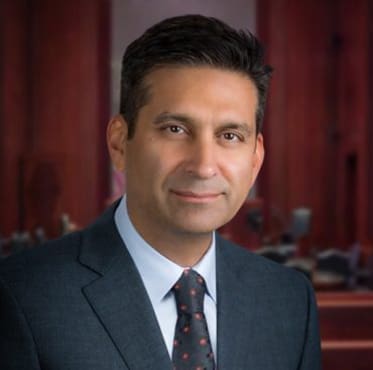


Why Clients Choose Max Alavi, APC
- Super Lawyers recognition based on peer review
- Extensive experience in California probate law
- Millions recovered in trust and probate litigation
- Strategic handling of trust and estate disputes
- Proven advocacy for surviving spouses and heirs
- Clear guidance through complex probate matters
- Outstanding dedication to every one of our clients




Let's Work Together - Tell Us Your Needs
At Max Alavi, Attorney at Law, APC, we understand the complexities of California probate law and are committed to providing solutions for trust and estate disputes. Contact us today to speak with one of our legal staff.