
Laguna Beach Beneficiary Representation Attorney
Top Ranked Trust & Probate Lawyers in California
5-Star Client Rating | Read Our Reviews
Laguna Beach Beneficiary Representation
At Max Alavi, Attorney at Law, we proudly offer dedicated Beneficiary Representation services to clients in Laguna Beach and the surrounding areas. With years of experience focusing on beneficiary rights and estate matters, our firm combines legal expertise with a personalized approach, ensuring your interests are protected every step of the way. We stand out for our transparent communication, attention to detail, and genuine commitment to guiding you through complex matters with clarity and care.
"Max Alavi, Attorney at Law, puts your needs first—arming you with the knowledge, advocacy, and support you deserve."
- Extensive experience in Beneficiary Representation
- Clear, compassionate communication throughout your case
- Proven track record of protecting clients' rights and interests in Laguna Beach
Our Trust Litigation Case Process

1. Case Evaluation
We begin with a full review of the trust, will, financial records, and family history. Our legal team will identify your rights, deadlines, and the best legal path before anything is filed.

2. Court Filings
The case formally begins when a probate petition or trust lawsuit is filed in California probate court, often in Orange County Superior Court. This step sets the legal issues, brings all parties into the case.

3. Discovery and Settlement
Both sides exchange documents, take depositions, and file motions to address disputes. Many trust and probate cases resolve here through settlement discussions or court ordered mediation.

4. Trial and Resolution
If no agreement is reached, the case proceeds to trial before a probate judge. After a ruling, the court orders distributions, removals of fiduciaries, or financial recovery, and we handle enforcement or appeals if needed.
Begin Your Free Case Evaluation Now
Call to schedule a free and confidential consultation with a trust litigation lawyer.


About Max Alavi, Attorney at Law
Max Alavi, Attorney at Law in Laguna Beach is a highly respected law firm with a longstanding commitment to delivering effective legal solutions tailored to each client’s unique needs. While the firm’s particular strength lies in Beneficiary Representation, its diverse legal capabilities encompass a broad range of trust, estate, and probate matters. Since its founding, the firm has prioritized clarity, transparency, and diligent service—values evident in every client interaction. The team at Max Alavi, Attorney at Law credits its reputation for success to a combination of nuanced legal expertise and a client-first philosophy, delivering both strategic counsel and compassionate support at every stage of representation.
Located in the vibrant community of Laguna Beach, Max Alavi, Attorney at Law stands out for its collaborative approach and dedication to achieving optimal results in even the most complex Beneficiary Representation cases. The firm’s history is marked by a constructive blend of legal acumen, innovative thinking, and unwavering advocacy for client interests, guided by an ethos of integrity and professionalism. Clients of Max Alavi, Attorney at Law benefit from individualized strategies, candid communication, and a deep sense of responsibility that reflects the founding principles of the firm. With a proven track record and an unwavering commitment to legal excellence, the firm continues to be a trusted ally for clients navigating the challenges of trust and estate law in Laguna Beach.
An Interesting Fact About Beneficiary Representation in Laguna Beach
In California, including Laguna Beach, a lesser-known fact about beneficiary representation is that beneficiaries have the right to request and receive a detailed accounting from the trustee at reasonable intervals. If the trustee fails to provide adequate information, beneficiaries can petition the court for relief. This right is embedded in California Probate Code §16062, emphasizing transparency and ensuring trustees uphold their fiduciary duties, ultimately protecting the interests of all beneficiaries involved in a trust or estate matter.
Overview of Beneficiary Representation Laws in Laguna Beach
Beneficiary representation in Laguna Beach focuses on safeguarding the interests and rights of individuals named in wills or trusts, under the guidance of California probate law. According to the insights from Max Alavi, Attorney at Law, beneficiaries often need legal assistance to understand their rights regarding inheritance, dispute resolutions, and asset distribution. Local regulations emphasize clarity in estate planning documents, and beneficiaries must navigate various court-supervised processes, particularly when questions arise about the administration or validity of a trust. The court process for beneficiary disputes in Laguna Beach typically initiates with a petition, followed by mediation efforts and, if necessary, litigation to resolve contested matters.
- California probate law governs the administration of estates and sets forth strict compliance standards for trustees and executors handling beneficiary assets.
- Common issues beneficiaries encounter include lack of communication, delays in distribution, or concerns of mismanagement by trustees.
- Potential penalties for mismanagement include removal of trustees or court-ordered compensation to beneficiaries.
"Beneficiary representation demands diligence and comprehensive knowledge of estate laws to ensure clients receive what they are legally entitled to, especially amid family disputes or alleged breaches by trustees." – Max Alavi, Attorney at Law
Max Alavi, Attorney at Law brings substantial experience in representing beneficiaries throughout Laguna Beach, navigating the nuances of both local and statewide statutes. Their familiarity with the Laguna Beach court system and California trust administration allows them to advocate effectively for clients—whether by negotiating settlements or litigating to enforce beneficiary rights. From initial estate review to final asset allocation, their team emphasizes clear communication and strategic action, maximizing the likelihood of timely and just distribution. For clients facing complex estate issues, the firm provides the expertise needed to challenge improper conduct, ensure transparency, and pursue fair remedies within the extensive framework of California estate law.
Other Services Available
Trust Litigation |
https://www.octrustslawyer.com/trust-litigation |
Contested Will and Trust |
https://www.octrustslawyer.com/trust-will-contests/ |
Beneficiary Representation |
https://www.octrustslawyer.com/beneficiary-representation/ |
Trustee Removal |
https://www.octrustslawyer.com/trustee-removal-surcharge-actions/ |
Effective Beneficiary Representation from Orange County Estate Attorneys at Max Alavi, Attorney at Law
If you are a beneficiary facing legal disputes over a trust or estate, you deserve strong and attentive representation. The attorneys at Max Alavi, Attorney at Law will thoroughly review every detail of your case to protect your rights and interests. Schedule your free, 30-60 minute consultation today by calling (949) 706-1919, and let us provide the dedicated support you need during this important time.
Laguna Beach Demographics
Laguna Beach is a picturesque coastal city located in southern Orange County, California, known for its stunning geography and vibrant cultural scene. According to recent U.S. Census Bureau data, Laguna Beach has an estimated population of approximately 22,700 residents as of the mid-2020s. The city’s demographic profile is characterized by:
- Population Size: Roughly 22,700 residents.
- Age Distribution: The median age in Laguna Beach is around 52 years, indicating a population that skews older than state and national averages. A significant proportion of residents are in the 45–64 and 65+ age brackets, with fewer young children compared to surrounding areas.
- Diversity: The city is predominantly White (approximately 85%), with smaller populations of Hispanic or Latino origin (about 10%) and other groups, including Asian and multiracial residents. The international arts community further enhances local diversity.
- Socioeconomic Indicators: Laguna Beach exhibits high socioeconomic status:
- Median household income exceeds $135,000.
- Per capita income is well above $80,000, reflecting a high standard of living.
- Poverty rates are low, at under 6%.
- Housing is largely owner-occupied, with property values among the highest in Orange County.
- Notable Trends:
- The local population has remained relatively stable in recent years, with little fluctuation in overall numbers.
- The area attracts retirees, established professionals, and individuals involved in the arts or entrepreneurship.
Laguna Beach Probate Court System
Probate and trust matters in Laguna Beach are managed under the Superior Court of California, County of Orange. The probate system covers a range of legal matters for Laguna Beach individuals and families, including administration of estates, trust litigation, and associated proceedings. Key features include:
- Primary Venue: The Costa Mesa Justice Complex (Probate/Mental Health Division) is the main location handling probate matters for Laguna Beach residents.
- Case Types Handled:
- Probate of wills and decedents’ estates
- Trust administration and disputes
- Guardianships and conservatorships
- Matters relating to minor’s compromises and elder or dependent adult protections
- Other fiduciary proceedings
- Procedures and Services:
- The Probate/Mental Health Division offers case filing, document access, and online services for status checks and document retrieval.
- Parties are required to comply with specific local rules governing probate filings, notice, and hearing procedures, in accordance with the California Probate Code.
- Public dockets and online resources are available, supporting transparency in court proceedings for heirs, beneficiaries, and fiduciaries.
- Unique Features for Legal Clients:
- Laguna Beach residents are subject to Orange County-wide probate jurisdiction; there are no separate city courts for estate or trust cases.
- Beneficiary representation and contested trust matters are common in an area with substantial estate values and complex family dynamics.
- The court is experienced in handling high-value estates, real property disputes, and intergenerational wealth transfers.
Family Demographics in Laguna Beach
Laguna Beach presents a unique family demographic profile shaped by its affluence, housing trends, and smaller community size. Key indicators include:
- Household Types:
- Approximately 55% of households are family households, with the remainder being non-family, single-person, or roommate/partner living arrangements.
- The average household size is about 2.1 persons — smaller than both county and state averages, reflecting both an older population and a higher proportion of single and couple households.
- Family Size:
- Among family households, most are couples with no children living at home or with adult children who have left, reinforcing the “empty nester” trend locally.
- Children under 18 make up a smaller share of the population compared to other Orange County cities.
- Marriage and Divorce Trends:
- Marriage rates reflect the higher median age, with a majority of residents being married or previously married (divorced or widowed).
- Divorce rates in Laguna Beach align with county averages; however, the overall number of divorces is modest due to the city’s small population.
- Income and Education:
- Median family income exceeds $180,000, among the highest in Southern California.
- Per capita income is significantly elevated, supporting access to private legal and professional services.
- Educational attainment is high, with a large proportion of residents holding college or postgraduate degrees.
- School System:
- The Laguna Beach Unified School District serves local families and includes Laguna Beach High School, Thurston Middle, and two elementary schools. The district is highly rated for academic excellence and student engagement.
- Popular Social and Community Programs:
- Programs supporting seniors, such as the Susi Q Center's enrichment and social services offerings
- Arts and after-school programs for youth sponsored by the city and local non-profits
- Community events and outreach for wellness, mental health, and family support through both city and Orange County agencies
Trust Litigation
Areas We Serve
At Max Alavi, Attorney at Law, we have decades of experience in dealing with complex trust litigation matters throughout California. When you hire our legal team, you are bringing on the best and toughest litigators around to aggresively fight on your behalf.
What Our Amazing Clients Have To Say
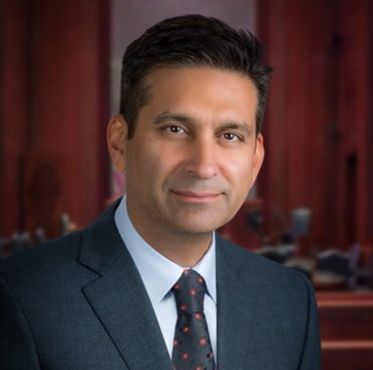


Why Clients Choose Max Alavi, APC
- Super Lawyers recognition based on peer review
- Extensive experience in California probate law
- Millions recovered in trust and probate litigation
- Strategic handling of trust and estate disputes
- Proven advocacy for surviving spouses and heirs
- Clear guidance through complex probate matters
- Outstanding dedication to every one of our clients




Let's Work Together - Tell Us Your Needs
At Max Alavi, Attorney at Law, APC, we understand the complexities of California probate law and are committed to providing solutions for trust and estate disputes. Contact us today to speak with one of our legal staff.