
Huntington Beach Probate And Trust Administration Attorney
Top Ranked Trust & Probate Lawyers in California
5-Star Client Rating | Read Our Reviews
Huntington Beach Probate And Trust Administration
At Max Alavi, Attorney at Law, we proudly serve Huntington Beach with dedicated expertise in Probate And Trust Administration. Our firm understands that navigating the complexities of estate matters can be overwhelming—especially during times of transition. With a proven record of resolving even the most intricate cases, we focus on delivering personalized guidance and clear communication every step of the way.
"Your legacy and your loved ones deserve unwavering attention and skill—trust us to advocate for your interests."
- Extensive experience handling all aspects of probate and trust administration
- Transparent, compassionate, and responsive client service from start to finish
- Thorough knowledge of local Huntington Beach courts and practices
Our Trust Litigation Case Process

1. Case Evaluation
We begin with a full review of the trust, will, financial records, and family history. Our legal team will identify your rights, deadlines, and the best legal path before anything is filed.

2. Court Filings
The case formally begins when a probate petition or trust lawsuit is filed in California probate court, often in Orange County Superior Court. This step sets the legal issues, brings all parties into the case.

3. Discovery and Settlement
Both sides exchange documents, take depositions, and file motions to address disputes. Many trust and probate cases resolve here through settlement discussions or court ordered mediation.

4. Trial and Resolution
If no agreement is reached, the case proceeds to trial before a probate judge. After a ruling, the court orders distributions, removals of fiduciaries, or financial recovery, and we handle enforcement or appeals if needed.
Begin Your Free Case Evaluation Now
Call to schedule a free and confidential consultation with a trust litigation lawyer.


About Max Alavi, Attorney at Law
Max Alavi, Attorney at Law in Huntington Beach is renowned for its unwavering commitment to excellence in legal advocacy, with a core focus on Probate And Trust Administration. Since its founding, the firm has established itself as a trusted resource for individuals and families navigating the complexities of estate matters. Drawing from a wealth of experience, Max Alavi and his team emphasize integrity and personal attention, prioritizing comprehensive solutions tailored to every client's unique circumstances. The firm’s longstanding reputation is built upon a foundation of transparency, deep legal expertise, and steadfast dedication to achieving optimal results.
Serving the diverse communities of Huntington Beach, Max Alavi, Attorney at Law distinguishes itself by fostering strong client relationships built on respect, clear communication, and responsive service. The team’s specialization in Probate And Trust Administration is complemented by a broad skillset across estate planning and trust litigation, ensuring clients' interests are protected at every step. Central to the firm’s philosophy are values of compassion, meticulous attention to detail, and robust advocacy—qualities that have earned Max Alavi, Attorney at Law the trust of generations of clients and respected standing in the legal community.
An Interesting Fact About Probate and Trust Administration in Huntington Beach
One lesser-known aspect of California probate and trust administration, particularly in Huntington Beach, is the requirement for trustees to provide a formal notification to all trust beneficiaries and heirs within 60 days of assuming their role. This California Probate Code mandated notice not only sets strict deadlines for legal challenges—such as contesting the trust—but also ensures transparency and keeps beneficiaries informed about their rights and the administration process in Huntington Beach.
Overview of Probate and Trust Administration Laws in Huntington Beach
Probate and trust administration in Huntington Beach falls under California law, which sets clear guidelines for how estates must be managed after an individual passes away. As outlined by Max Alavi, Attorney at Law, probate is the legal process used to settle a deceased person's estate, involving court oversight to ensure debts are paid and assets are distributed according to the will or state intestacy laws. Trust administration, conversely, is generally a private process, carried out by a trustee in accordance with the trust’s provisions—often bypassing the delays and costs of formal probate. Local rules in Huntington Beach emphasize the responsibilities of executors and trustees, including detailed accounting, notification of beneficiaries, and strict timelines for filing legal documents. Understanding these requirements, as well as the available mechanisms for transferring property—such as small estate affidavits or summary probate—can make a significant impact on the duration and cost of estate settlement.
- Probate typically requires court hearings and can last several months to over a year, especially if disputes arise among heirs or creditors.
- Trust administration offers privacy and efficiency, but trustees still face stringent obligations, including providing notice to beneficiaries and resolving outstanding debts.
- Potential penalties for errors may include personal liability for fiduciaries who mismanage assets or fail to comply with court orders.
"Having a knowledgeable legal advocate can streamline the probate or trust administration process, ensuring legal compliance and protecting the interests of all parties involved." – Insights from Max Alavi, Attorney at Law
With deep experience handling probate and trust administration in Huntington Beach, Max Alavi, Attorney at Law provides tailored guidance to clients navigating these complex legal processes. The firm’s expertise spans all facets of estate settlement—whether negotiating with creditors, preparing court filings, or managing the distribution of real property. Their team remains up-to-date with local regulations and court expectations, helping clients avoid unnecessary delays and minimize conflicts. By leveraging their insight into the Huntington Beach legal landscape, Max Alavi, Attorney at Law, helps families resolve estate matters efficiently while safeguarding beneficiaries’ rights. Clients can expect proactive representation and clear counsel every step of the way, regardless of whether their case involves probate court intervention or the private administration of a trust.
Other Services Available
Probate Litigation |
https://www.octrustslawyer.com/probate-litigation/ |
Trustee Defense |
https://www.octrustslawyer.com/trustee-defense/ |
Inheritance Disputes |
https://www.octrustslawyer.com/inheritance-disputes/ |
Probate And Trust Administration |
https://www.octrustslawyer.com/probate-trust-administration/ |
Conservatorship |
https://www.octrustslawyer.com/conservatorships/ |
Surviving Spouse Rights |
https://www.octrustslawyer.com/surviving-spouse-rights/ |
Expert Probate and Trust Administration Support from Orange County Probate Attorneys at Max Alavi, Attorney at Law
Guiding families through the complexities of probate and trust administration, Max Alavi, Attorney at Law delivers clear, effective solutions tailored to your needs. Our team will thoroughly evaluate every detail to protect your interests and make the process as smooth as possible. Take advantage of a free initial consultation, lasting 30-60 minutes, to discuss your situation and understand your options. Call us today at (949) 706-1919 to get trustworthy, professional guidance during this important time.
Huntington Beach Demographics
Huntington Beach, California is a major coastal city in Orange County known for its vibrant beach culture and dynamic economy. As of the mid-2020s, the U.S. Census Bureau estimates the city’s population at approximately 197,000. Huntington Beach exhibits the following key demographic characteristics:
- Population Size and Growth: The city has experienced modest population growth in recent years, balancing residential stability with new development.
- Age Distribution: The median age is around 42, reflecting a slightly older population relative to California’s statewide average. Roughly 18% of residents are under 18, while approximately 17% are 65 or older.
- Diversity: Huntington Beach is ethnically and racially diverse:
- White (Non-Hispanic): Approximately 60%
- Hispanic or Latino: Around 20%
- Asian: Nearly 13%
- Other racial and ethnic groups constitute the remainder, with a growing multicultural community.
- Socioeconomic Indicators:
- Median household income: Approximately $104,000 (2022 estimates), above both state and national averages.
- Per capita income: Around $54,000.
- Poverty rate: About 7.7%, lower than the California average, reflecting the city’s strong economic profile.
- Homeownership rate: Approximately 59% of households are owner-occupied.
- Cost of living is high relative to national norms, consistent with Southern California coastal communities.
- Notable Trends: Huntington Beach has seen ongoing revitalization efforts, with investments in infrastructure, public spaces, and environmental sustainability contributing to sustained appeal for families and working professionals.
Huntington Beach Probate Court System
Probate and trust matters for Huntington Beach residents fall under the jurisdiction of the Superior Court of California, County of Orange. The relevant structure and features include:
- Key Court: Probate Division of the Orange County Superior Court, primarily located at the Costa Mesa Justice Complex (3390 Harbor Blvd., Costa Mesa, CA).
- Case Types Handled:
- Probate of wills and administration of decedent estates
- Trust administration and contest proceedings
- Guardianship and conservatorship cases
- Petitions for power of attorney, minor’s compromise, and establishment of special needs trusts
- Annual and final accountings, fiduciary appointments, and related probate petitions
- Unique Features and Procedures:
- Online case access and filing through the Orange County Superior Court’s online portal offers efficient tracking of probate and trust cases.
- Specialized judicial officers and probate examiners oversee matters to ensure statutory compliance and adherence to local court rules.
- Huntington Beach clients must comply not only with the California Probate Code but also the local probate division’s requirements concerning notices, filings, and hearings.
- Remote and in-person hearing options are available, adapted to current court operations and public health guidelines.
Family law matters, including divorce, custody, and support, are addressed at the family law divisions of the Orange County Superior Court, mainly at the Lamoreaux Justice Center in Orange, which handles a significant caseload relevant to Huntington Beach families.
Family Demographics in Huntington Beach
Huntington Beach’s household composition and family characteristics are as follows:
- Household Types:
- Family households constitute approximately 61% of all households.
- Non-family and single-person households account for the remaining 39%, consistent with trends in other coastal California cities.
- Family Size and Structure:
- Average household size: Around 2.6 people per household.
- Married-couple families represent the largest segment within family households.
- A significant portion of households include children under 18, contributing to strong demand for educational and recreational programs.
- Divorce Rates:
- Orange County overall, including Huntington Beach, has a divorce rate marginally higher than the state average. Thousands of divorces are filed annually through the county court system.
- The presence of experienced family law courts facilitates the processing of these matters locally.
- Income Indicators:
- Median family income in Huntington Beach is estimated at approximately $125,000–$130,000, reflecting dual-income families and a robust professional workforce.
- Per capita income: About $54,000.
- Low rates of family poverty in comparison to other Orange County cities.
- Education and Social Programs:
- The city is served by the Huntington Beach Union High School District and elementary districts such as Ocean View, Huntington Beach City, and Westminster School Districts.
- Local schools are recognized for academic achievement, with many meeting or exceeding California standards for educational performance and graduation rates.
- Numerous community and social service programs support families, youth development, senior residents, and individuals in need, including afterschool enrichment, recreation, and wellness initiatives.
- Access to local legal aid, domestic violence support services, and family assistance programs is available to assist residents dealing with family or probate legal matters.
Trust Litigation
Areas We Serve
At Max Alavi, Attorney at Law, we have decades of experience in dealing with complex trust litigation matters throughout California. When you hire our legal team, you are bringing on the best and toughest litigators around to aggresively fight on your behalf.
What Our Amazing Clients Have To Say
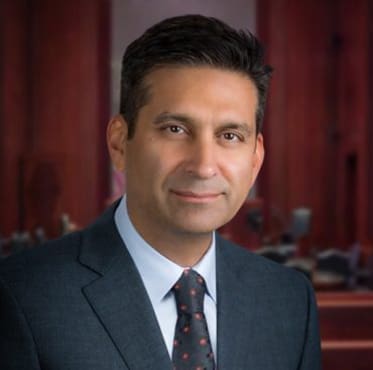


Why Clients Choose Max Alavi, APC
- Super Lawyers recognition based on peer review
- Extensive experience in California probate law
- Millions recovered in trust and probate litigation
- Strategic handling of trust and estate disputes
- Proven advocacy for surviving spouses and heirs
- Clear guidance through complex probate matters
- Outstanding dedication to every one of our clients




Let's Work Together - Tell Us Your Needs
At Max Alavi, Attorney at Law, APC, we understand the complexities of California probate law and are committed to providing solutions for trust and estate disputes. Contact us today to speak with one of our legal staff.