
Huntington Beach Estate Planning Attorney
Top Ranked Trust & Probate Lawyers in California
5-Star Client Rating | Read Our Reviews
Estate Planning Expertise in Huntington Beach
At Max Alavi, Attorney at Law, we proudly serve the Huntington Beach community with comprehensive Estate Planning solutions tailored to protect your legacy and loved ones. Our firm combines years of specialized experience with a personalized approach, ensuring each client's unique goals are thoughtfully addressed. Whether you are drafting a will, setting up trusts, or navigating complex probate matters, we bring clarity and peace of mind to every step of the process.
- Decades of focused estate planning experience in Huntington Beach
- Personalized strategy sessions for every client
- Up-to-date knowledge of California laws and regulations
"Committed to excellence, Max Alavi, Attorney at Law provides the guidance and care you need to secure your family's future."
Our Trust Litigation Case Process

1. Case Evaluation
We begin with a full review of the trust, will, financial records, and family history. Our legal team will identify your rights, deadlines, and the best legal path before anything is filed.

2. Court Filings
The case formally begins when a probate petition or trust lawsuit is filed in California probate court, often in Orange County Superior Court. This step sets the legal issues, brings all parties into the case.

3. Discovery and Settlement
Both sides exchange documents, take depositions, and file motions to address disputes. Many trust and probate cases resolve here through settlement discussions or court ordered mediation.

4. Trial and Resolution
If no agreement is reached, the case proceeds to trial before a probate judge. After a ruling, the court orders distributions, removals of fiduciaries, or financial recovery, and we handle enforcement or appeals if needed.
Begin Your Free Case Evaluation Now
Call to schedule a free and confidential consultation with a trust litigation lawyer.
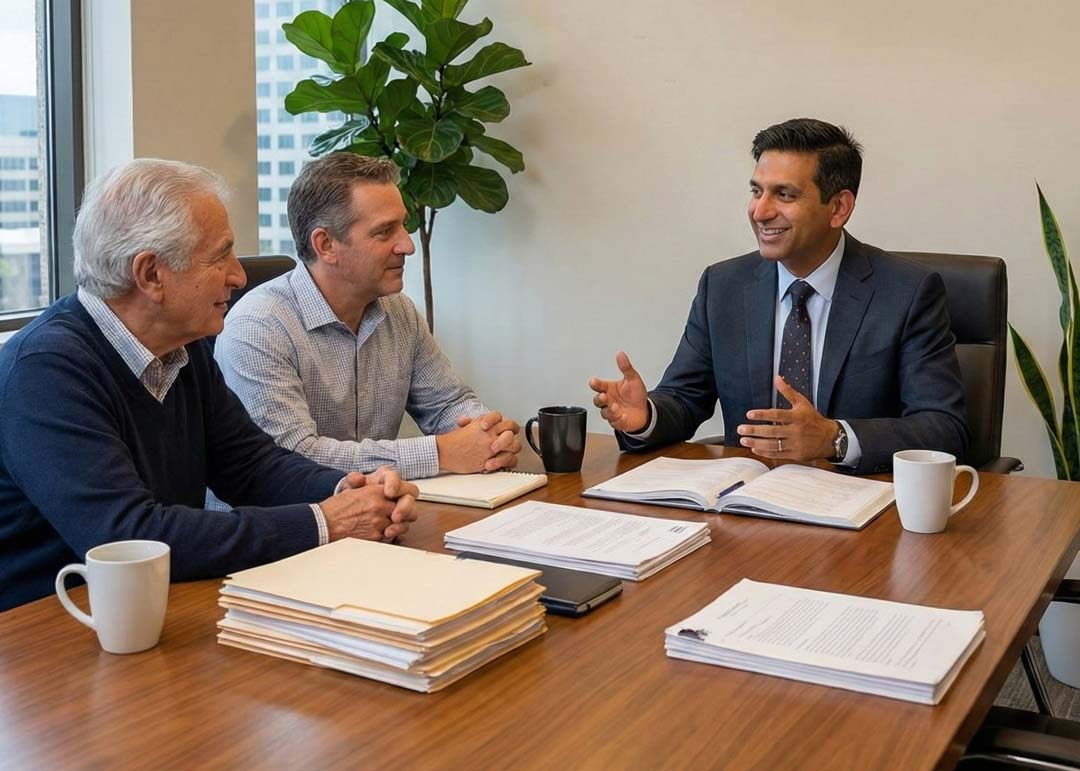

About Max Alavi, Attorney at Law
Max Alavi, Attorney at Law, based in Huntington Beach, is dedicated to delivering comprehensive legal solutions, with a particular emphasis on Estate Planning. Since its inception, the firm has earned a sterling reputation for its integrity, expertise, and client-centered approach. Max Alavi and his team bring decades of experience to the table, navigating clients through complex trust, probate, and estate planning issues. The firm is recognized for its personalized service—every client receives strategic advice tailored to their unique circumstances, reflecting the firm’s commitment to long-term financial security and peace of mind for families across Huntington Beach.
The philosophy at Max Alavi, Attorney at Law centers on building lasting relationships while upholding the highest ethical standards in the legal community. With deep local roots in Huntington Beach, the firm stands out not only for its proficiency in Estate Planning but also for its ability to handle a spectrum of related legal matters. As highlighted on their About webpage, the team is driven by values of trust, transparent communication, and results-oriented advocacy. This blend of expertise, dedication, and genuine care defines the unique quality that clients have come to expect from Max Alavi, Attorney at Law.
An Interesting Fact About Estate Planning in Huntington Beach
A lesser-known but crucial aspect of estate planning in California, including Huntington Beach, is the state’s allowance for handwritten wills, known as “holographic wills.” Under California law, a holographic will does not require witnesses if the material provisions and the signature are in the testator’s own handwriting. However, even though this option exists, holographic wills can be more susceptible to challenges and complications during probate, making proper documentation especially important.
Overview of Estate Planning Laws in Huntington Beach
Estate planning in Huntington Beach is governed by a range of California laws intended to protect individual assets and provide clarity for loved ones after a person’s passing. According to insights from Max Alavi, Attorney at Law, crucial components of an effective estate plan generally include wills, trusts, durable powers of attorney, and advanced healthcare directives. Local regulations emphasize the importance of properly drafted and executed documents to help prevent probate complications and reduce the likelihood of disputes among beneficiaries. California law also dictates specific requirements for the validity of wills and trust instruments, such as witness signatures and compliance with statutory guidelines. The court process, typically overseen by the Orange County Superior Court, may involve probate proceedings if assets are not appropriately placed into trusts or do not meet small estate thresholds.
- Proper estate planning can significantly limit the probate court’s involvement, helping families avoid unnecessary delays and expenses.
- California’s community property laws and evolving tax codes can impact the distribution of assets, making local legal expertise essential.
- Failure to create legally sound documents can result in intestacy, where assets are distributed according to state law rather than a person’s wishes.
“Whether you own a home, have minor children, or operate a business, personalized estate planning is key to safeguarding your legacy and protecting your loved ones.” – Insights from Max Alavi, Attorney at Law
Drawing on extensive experience assisting Huntington Beach clients, Max Alavi, Attorney at Law offers nuanced counsel tailored to each individual’s needs, especially when addressing unique family dynamics or complex asset structures. The firm’s deep understanding of the local court process and California’s probate statutes ensures potential clients receive up-to-date guidance on creating valid, enforceable estate planning documents. By working closely with clients to anticipate challenges and minimize tax burdens or disputes, Max Alavi, Attorney at Law, helps ensure that plans are both legally sound and effective in achieving intended outcomes. This focus on thorough, customized planning offers peace of mind and security for families dealing with the potential legal implications of incapacity or death in Huntington Beach.
Other Services Available
Estate Planning |
https://www.octrustslawyer.com/estate-planning/ |
Compassionate and Strategic Estate Planning Attorneys at Max Alavi, Attorney at Law
Are you looking to protect your assets and secure your family’s future? Max Alavi, Attorney at Law offers comprehensive estate planning services tailored to your unique needs and goals. Our skilled attorneys will thoroughly review every detail of your situation to ensure your wishes are respected and your loved ones are safeguarded. Schedule your free 30-60 minute consultation today by calling (949) 706-1919, and let our experienced team give you peace of mind for the future.
Huntington Beach Demographics
Huntington Beach, located in coastal Orange County, California, is a prominent city with a population estimated at approximately 197,000–200,000 residents as of the mid‑2020s, according to the U.S. Census Bureau and local demographic reports. The median age of the population is around 42 years, indicating a slightly older population compared to the California state median. Age groups are distributed as follows:
- Approximately 18% of residents are under 18 years old
- About 60% are between 18 and 64
- Roughly 22% are 65 and older, reflecting a substantial senior population
Huntington Beach exhibits considerable ethnic diversity. The largest racial and ethnic groups include:
- White (Non‑Hispanic): Approximately 58%
- Hispanic or Latino: About 22%
- Asian: Roughly 14%
- Smaller proportions of Black or African American, Pacific Islander, Native American, and multi‑racial residents
Socioeconomic indicators demonstrate a relatively affluent community. The median household income ranges between $97,000 and $105,000 annually, surpassing national averages and aligning with regional Orange County trends. The per capita income is estimated at $52,000–$54,000, and the city maintains a lower-than-average poverty rate for California (under 8%). Housing costs, however, are high and reflect the city's coastal location and desirability. Notable trends include gradual population aging, sustained housing demand, and increasing cultural diversity.
Huntington Beach Probate Court System
Probate and estate matters for Huntington Beach residents fall under the jurisdiction of the Superior Court of California, County of Orange. The principal venue for probate cases is the:
- Costa Mesa Justice Complex (Probate/Mental Health Division)
Key aspects of the Huntington Beach probate court system include:
- Case Types Handled: Probate administration, decedent’s estates, trusts, will contests, guardianships, conservatorships, and elder or dependent adult protections.
- Unique Features:
- Centralized filing for all probate matters from across Orange County, including Huntington Beach residents
- Online case information and electronic filing (eFiling) available for easier access to case records
- Dedicated probate examiners reviewing filings for legal sufficiency
- Proceedings: Matters are adjudicated by specialized probate judges, with public access provided to probate calendars, case tracking tools, and records requests.
- Probate rules and timelines are controlled by both the California Probate Code and Orange County Local Court Rules.
Clients seeking legal advice in the areas of estate planning, trust administration, probate litigation, or guardianships will engage primarily with the Costa Mesa facility for filings, hearings, and probate orders. Huntington Beach’s inclusion in the Orange County Superior Court system ensures uniformity of probate procedures for all residents.
Family Demographics in Huntington Beach
Huntington Beach features a blend of family-oriented and single-person households. According to census and city planning data:
- Household Composition:
- Approximately 60% of households are family households
- About 40% are non-family or single-person households
- Average household size: 2.5–2.6 persons
- Families with children under 18 comprise a significant share, though the proportion is slightly lower than in some neighboring cities
- Marital Trends:
- Divorce rates are in line with Orange County averages, with the area recording thousands of dissolution filings each year
- Data indicates both married-couple households and a rising share of unmarried and single-parent families
- Income and Economic Indicators:
- Median family income is approximately $120,000–$125,000 per year
- Per capita income is estimated around $52,000–$54,000
- Poverty rate is relatively low (typically below 8%)
- Education and Social Services:
- Served by several school districts, principally the Huntington Beach City School District (elementary/middle schools) and Huntington Beach Union High School District
- Schools are consistently rated above state averages, with several recognized for academic achievement and strong graduation rates
- Access to robust local family and youth programs, such as after-school activities, community resource centers, senior support services, and mental health resources
- Active public library and parks & recreation system supporting family well-being
Huntington Beach’s family demographics reflect a community that values both family stability and diverse household compositions, with income, educational, and social support resources benefiting residents across age and family structures.
Trust Litigation
Areas We Serve
At Max Alavi, Attorney at Law, we have decades of experience in dealing with complex trust litigation matters throughout California. When you hire our legal team, you are bringing on the best and toughest litigators around to aggresively fight on your behalf.
What Our Amazing Clients Have To Say
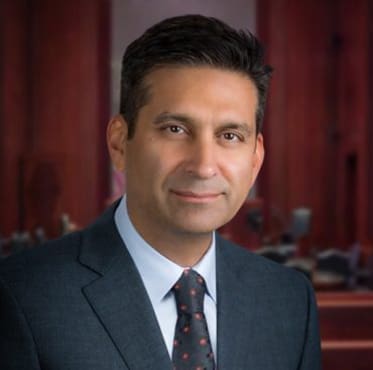


Why Clients Choose Max Alavi, APC
- Super Lawyers recognition based on peer review
- Extensive experience in California probate law
- Millions recovered in trust and probate litigation
- Strategic handling of trust and estate disputes
- Proven advocacy for surviving spouses and heirs
- Clear guidance through complex probate matters
- Outstanding dedication to every one of our clients




Let's Work Together - Tell Us Your Needs
At Max Alavi, Attorney at Law, APC, we understand the complexities of California probate law and are committed to providing solutions for trust and estate disputes. Contact us today to speak with one of our legal staff.