
Huntington Beach Contested Will and Trust Attorney
Top Ranked Trust & Probate Lawyers in California
5-Star Client Rating | Read Our Reviews
Huntington Beach Contested Will and Trust Expertise
At Max Alavi, Attorney at Law in Huntington Beach, we offer clients dedicated, strategic counsel in all matters related to Contested Will and Trust cases. With deep local knowledge and vast experience navigating these complex disputes, our team delivers clear guidance and vigorous advocacy so clients can protect their rights and secure their loved ones’ legacies. As a client-centered firm, we pride ourselves on personalized attention and transparent communication every step of the way.
"We believe every client deserves clarity, compassion, and a steadfast advocate when navigating will and trust disputes."
- Proven experience with Huntington Beach’s unique legal landscape
- Hands-on, personalized legal strategies for complicated Contested Will and Trust cases
- Responsive communication and unwavering commitment to protecting your interests
When you need trusted guidance for Contested Will and Trust matters in Huntington Beach, Max Alavi, Attorney at Law is here to be your ally and guide.
Our Trust Litigation Case Process

1. Case Evaluation
We begin with a full review of the trust, will, financial records, and family history. Our legal team will identify your rights, deadlines, and the best legal path before anything is filed.

2. Court Filings
The case formally begins when a probate petition or trust lawsuit is filed in California probate court, often in Orange County Superior Court. This step sets the legal issues, brings all parties into the case.

3. Discovery and Settlement
Both sides exchange documents, take depositions, and file motions to address disputes. Many trust and probate cases resolve here through settlement discussions or court ordered mediation.

4. Trial and Resolution
If no agreement is reached, the case proceeds to trial before a probate judge. After a ruling, the court orders distributions, removals of fiduciaries, or financial recovery, and we handle enforcement or appeals if needed.
Begin Your Free Case Evaluation Now
Call to schedule a free and confidential consultation with a trust litigation lawyer.

About Max Alavi, Attorney at Law
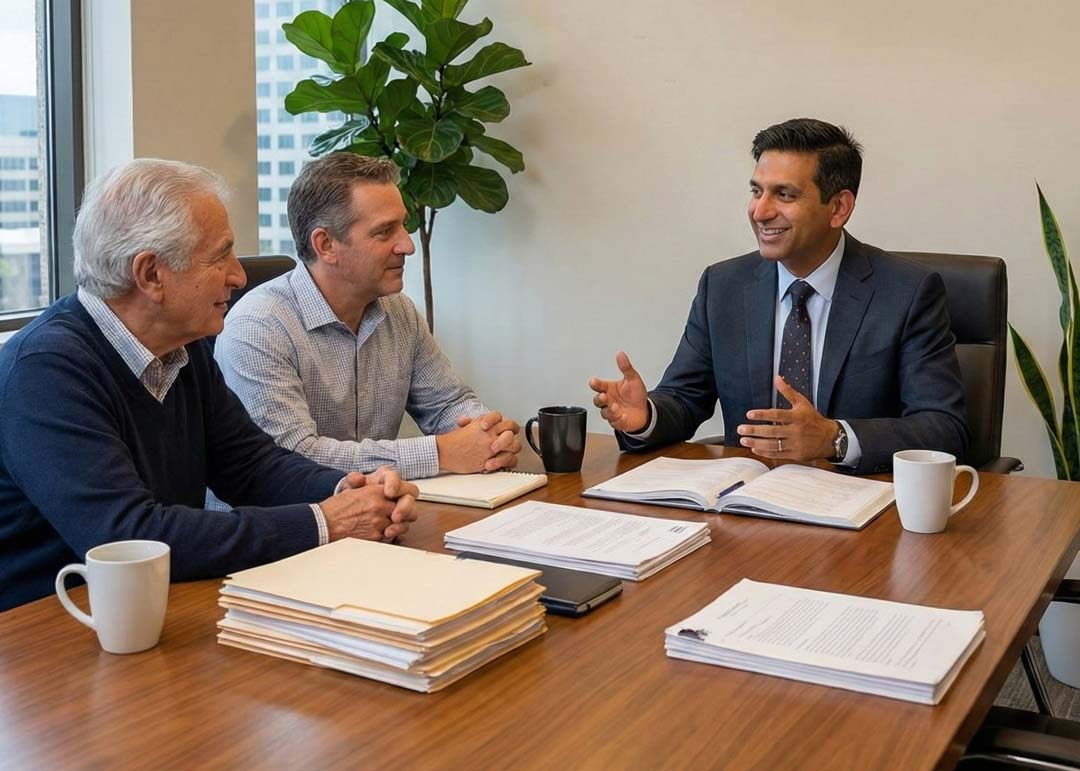
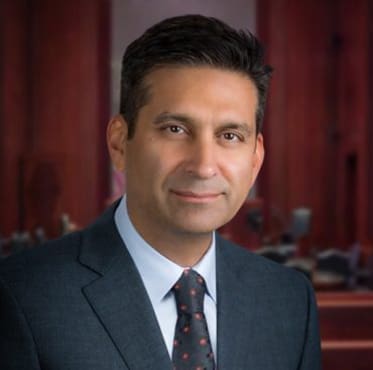
Max Alavi, Attorney at Law in Huntington Beach has established itself as a leading authority in Contested Will and Trust matters, guiding clients with unmatched skill and professionalism. Since its founding, the firm has been driven by Max Alavi’s passion for resolving complex probate disputes and protecting family legacies. Max brings more than two decades of experience to the table, drawing on his in-depth knowledge and a personalized approach that is shaped by an unwavering commitment to his clients’ well-being and peace of mind. The team at Max Alavi, Attorney at Law believes in providing clear communication and compassionate support, always prioritizing client goals while pursuing legal solutions tailored to unique needs.
Rooted in the heart of Huntington Beach, Max Alavi, Attorney at Law distinguishes itself by blending legal acumen with integrity and a client-focused philosophy. The firm’s values center around trust, transparent counsel, and responsiveness, ensuring clients facing Contested Will and Trust issues feel both protected and empowered throughout every stage of their legal journey. With an impressive history of successful outcomes and a firm belief in demystifying the legal process, Max Alavi and his dedicated team provide advocacy that combines traditional values with innovative solutions—making Max Alavi, Attorney at Law the trusted choice for families and individuals across the Huntington Beach community.
An Interesting Fact About Contested Will and Trust in California
A lesser-known but crucial fact about contested will and trust cases in California is that the state’s no-contest clause, which aims to discourage beneficiaries from challenging a will or trust, is strictly interpreted. Even if a document contains a no-contest clause, California Probate Code limits its enforcement, allowing challenges made with probable cause. This means valid concerns about fraud, undue influence, or incapacity can be raised without automatic disinheritance, providing a level of protection for aggrieved beneficiaries.
Overview of Contested Will and Trust Laws in Huntington Beach
Contested will and trust disputes in Huntington Beach fall under California’s Probate Code, which establishes the legal framework for challenging the validity of estate documents based on factors such as undue influence, lack of capacity, fraud, or improper execution. According to insights from Max Alavi, Attorney at Law, local regulations require strict adherence to procedural rules when filing a contest, including the time-sensitive filing of a petition and notice to all interested parties. The court process can involve an in-depth review of the estate planning documents, witness testimony, and expert evaluations regarding the testator’s intent and mental state. Navigating these proceedings in the Huntington Beach courts demands precision and thorough knowledge of both state statutes and local court practices.
- Grounds for contesting a will or trust include lack of testamentary capacity, undue influence, fraud, and improper execution.
- Potential outcomes range from invalidation of the estate document, partial modifications, to upholding the original intent of the testator or trustor.
- Court proceedings may involve mediation or litigation, adding layers of complexity and possible financial penalties for unsuccessful challengers.
"Successful resolution of a contested will or trust often depends on a detail-oriented approach and a deep understanding of both legal procedure and family dynamics." – Insights from Max Alavi, Attorney at Law
With extensive experience in Huntington Beach, Max Alavi, Attorney at Law provides clients with crucial guidance through the complexities of will and trust contests. The firm leverages a nuanced understanding of local court processes—helping clients gather necessary documentation, identify key witnesses, and protect their rights throughout every stage of litigation or alternative dispute resolution. By employing a client-focused and strategic approach, the firm works to achieve optimal outcomes, whether that involves negotiation, mediation, or taking a matter to court. Clients in Huntington Beach benefit from the firm’s ability to anticipate challenges, explain potential penalties and resolutions, and offer clear direction tailored to the specifics of California estate law.
Other Services Available
Trust Litigation |
https://www.octrustslawyer.com/trust-litigation |
Contested Will and Trust |
https://www.octrustslawyer.com/trust-will-contests/ |
Beneficiary Representation |
https://www.octrustslawyer.com/beneficiary-representation/ |
Trustee Removal |
https://www.octrustslawyer.com/trustee-removal-surcharge-actions/ |
Professional Guidance For Contested Will and Trust Cases with Max Alavi, Attorney at Law
Facing a contested will or trust? Let the experienced attorneys at Max Alavi, Attorney at Law help you protect your rights and achieve a fair resolution. We provide a comprehensive evaluation of every detail to strategically defend your interests. Schedule your free, 30-60 minute initial consultation by calling (949) 706-1919 and get the professional, reassuring support you need during this challenging time.
Huntington Beach Demographics
Huntington Beach, California is a coastal city situated in northwestern Orange County with an estimated population approaching 195,000 as of the mid-2020s, according to recent U.S. Census Bureau data. The community is characterized by a balanced age distribution:
- Median age: Approximately 42 years, reflecting a mature, established population
- Children (<18 years): Roughly 18%
- Ages 18–64: Over 63%
- Senior residents (65+): About 19%
Diversity in Huntington Beach includes:
- White (Non-Hispanic): Approximately 61%
- Hispanic or Latino: Around 20%
- Asian: About 12%
- Other groups, including Black/African American and multiracial communities, comprise smaller proportions
Socioeconomic indicators for Huntington Beach reveal:
- Median household income: Approximately $103,000, higher than national and state averages but slightly below the broader Orange County median
- Per capita income: Approximately $50,000
- Poverty rate: Around 8%, lower than many statewide benchmarks
Notable demographic trends include steady population stability, suburban growth, and a gradual increase in diversity, with continued desirability as both a residential and recreational community.
Huntington Beach Probate Court System
Probate and trust disputes—including contested will and trust matters—arising in Huntington Beach are heard at the Superior Court of California, County of Orange. The central venue for probate proceedings is the Costa Mesa Justice Complex, which serves the entire county, encompassing Huntington Beach residents. The structure and pertinent features of the probate system include:
- Key court: Orange County Superior Court, Probate/Mental Health Division
- Location: Costa Mesa Justice Complex, 3390 Harbor Blvd, Costa Mesa, CA
- Types of cases:
- Contested wills (will contests, challenges to validity, undue influence claims)
- Trust disputes (interpretation, breach of fiduciary duty, beneficiary claims)
- Decedent’s estates (probate administration and distribution)
- Conservatorships and guardianships
- Estate litigation and related petitions
- Unique features:
- Centralized filing and docket management for all Orange County residents, including those in Huntington Beach
- Electronic filing (e-filing) for probate case documents
- Online case access system for docket monitoring and hearing schedules
- Dedicated probate examiners and court-appointed professionals for high-complexity matters, such as contested trust and will litigation
For clients in Huntington Beach seeking legal assistance with contested will and trust proceedings, understanding the Orange County Superior Court’s local rules, notice requirements, statutory timeframes, and available alternative dispute resolution processes is essential. Such matters often involve complex evidentiary hearings, formal discovery, and specialized legal strategies unique to this jurisdiction.
Family Demographics in Huntington Beach
Family household characteristics and supporting community structures in Huntington Beach are as follows:
- Family households constitute approximately 62% of all households; single-person and non-family households make up the remainder
- Average household size: About 2.6 persons
- Average family size: Approximately 3.1 persons
- Home ownership rate: Estimated at 57%, with a mix of single-family homes and multifamily units
- Divorce rates: Huntington Beach generally reflects Orange County’s annual divorce rates, which are higher than the national average, but precise city-level statistics fluctuate year to year
- Median family income: Approximately $122,000, with dual-income households common
- Per capita income: Around $50,000 per year
Huntington Beach is served by the Huntington Beach Union High School District and the Ocean View School District, featuring well-ranked elementary, middle, and high schools. These districts are noted for their broad range of educational and extracurricular programs, with above-average graduation and post-secondary enrollment rates.
Residents have access to numerous community-based services and social programs, including:
- Childcare assistance programs
- Senior and adult services
- Family wellness and youth outreach initiatives provided by the Huntington Beach Community Services Department
- Supplemental food assistance and health programs for qualifying families
Overall, Huntington Beach supports a diverse and stable family environment, with resources suitable for those navigating family transitions and estate matters, including probate, will, and trust administration.
Trust Litigation
Areas We Serve
At Max Alavi, Attorney at Law, we have decades of experience in dealing with complex trust litigation matters throughout California. When you hire our legal team, you are bringing on the best and toughest litigators around to aggresively fight on your behalf.
What Our Amazing Clients Have To Say


Why Clients Choose Max Alavi, APC
- Super Lawyers recognition based on peer review
- Extensive experience in California probate law
- Millions recovered in trust and probate litigation
- Strategic handling of trust and estate disputes
- Proven advocacy for surviving spouses and heirs
- Clear guidance through complex probate matters
- Outstanding dedication to every one of our clients




Let's Work Together - Tell Us Your Needs
At Max Alavi, Attorney at Law, APC, we understand the complexities of California probate law and are committed to providing solutions for trust and estate disputes. Contact us today to speak with one of our legal staff.