
Glendale Financial Elder Abuse Attorney
Top Ranked Trust & Probate Lawyers in California
5-Star Client Rating | Read Our Reviews
Financial Elder Abuse Attorneys in Glendale
At Max Alavi, Attorney at Law, we understand that financial elder abuse can have devastating effects on families in Glendale. With years of specialized legal experience, our firm is dedicated to protecting the rights and financial security of seniors. We provide compassionate, thorough legal representation tailored to each client’s unique circumstances. Our Glendale-based team combines deep knowledge of Financial Elder Abuse laws with a commitment to personalized service, ensuring our clients feel supported every step of the way.
"At Max Alavi, Attorney at Law, safeguarding your loved ones isn't just our profession—it’s our passion."
- Extensive experience in Financial Elder Abuse cases
- Dedicated, hands-on support for every client in Glendale
- Proven track record of securing favorable outcomes
Our Trust Litigation Case Process

1. Case Evaluation
We begin with a full review of the trust, will, financial records, and family history. Our legal team will identify your rights, deadlines, and the best legal path before anything is filed.

2. Court Filings
The case formally begins when a probate petition or trust lawsuit is filed in California probate court, often in Orange County Superior Court. This step sets the legal issues, brings all parties into the case.

3. Discovery and Settlement
Both sides exchange documents, take depositions, and file motions to address disputes. Many trust and probate cases resolve here through settlement discussions or court ordered mediation.

4. Trial and Resolution
If no agreement is reached, the case proceeds to trial before a probate judge. After a ruling, the court orders distributions, removals of fiduciaries, or financial recovery, and we handle enforcement or appeals if needed.
Begin Your Free Case Evaluation Now
Call to schedule a free and confidential consultation with a trust litigation lawyer.


About Max Alavi, Attorney at Law
Max Alavi, Attorney at Law in Glendale is a distinguished law firm recognized for its dedicated representation in Financial Elder Abuse matters, as well as a broad range of issues involving trust and probate law. With a firm history rooted in a genuine commitment to protecting clients’ legacies and interests, Max Alavi, Attorney at Law is guided by values of integrity, professionalism, and accessibility. Founded by Max Alavi, an attorney respected for his depth of legal knowledge and personalized approach, the firm blends a tradition of excellence with innovative legal solutions, making them a trusted resource for families and individuals navigating complex legal situations.
Located in the heart of Glendale, Max Alavi, Attorney at Law brings not only expertise in Financial Elder Abuse, but also a philosophy that places each client’s unique needs and concerns at the forefront. The firm’s history of successful results stems from meticulous attention to detail, honest communication, and a focus on delivering comprehensive guidance from the initial consultation to the final resolution. Clients continually turn to Max Alavi, Attorney at Law for the firm’s unwavering commitment, ethical standards, and ability to resolve even the most challenging legal matters efficiently and compassionately, distinguishing the firm as a pillar of trust law advocacy in the community.
An Interesting Fact About Financial Elder Abuse in Glendale
California law recognizes that financial elder abuse in Glendale can be prosecuted even if the victim does not suffer an actual financial loss. Under the Welfare and Institutions Code Section 15610.30, it is sufficient for prosecutors to show that someone wrongfully took or retained property belonging to an elder or dependent adult for their own benefit. This broad definition means attempts, not just completed thefts, may lead to legal consequences in Glendale and across California.
Overview of Financial Elder Abuse Laws in Glendale
Financial elder abuse in Glendale is regulated by a combination of California state laws designed to protect vulnerable adults from the unlawful or improper use of their financial assets. As detailed by Max Alavi, Attorney at Law, financial elder abuse typically includes actions such as fraudulently obtaining property, forging signatures, coercing transfers of assets, or misusing powers of attorney. Under California's Elder Abuse and Dependent Adult Civil Protection Act, anyone who knows or should know that their actions will likely harm an elderly person’s financial interests can face civil and criminal penalties. The legal process in Glendale involves reporting wrongdoing to authorities, investigation, possible protective orders, and, if necessary, civil litigation to recover misappropriated assets or seek injunctive relief.
- Laws intend to shield elders (anyone aged 65 or older) from exploitation, emphasizing both prevention and victim restitution.
- Victims or their advocates can pursue cases in civil court, with potential recovery of stolen assets, compensatory damages, and even punitive damages in egregious cases.
- Violators may also be subject to criminal prosecution, carrying penalties that can include jail time, fines, and mandatory restitution to the victim.
"Early legal intervention and comprehensive documentation can significantly improve outcomes for elders facing financial exploitation." – Insights from Max Alavi, Attorney at Law
With extensive experience addressing financial elder abuse cases in Glendale, Max Alavi, Attorney at Law provides strategic guidance to both elders and their families navigating these complex legal waters. The firm brings a nuanced understanding of local statutes and court procedures, helping clients address immediate concerns such as asset freezes while constructing strong civil cases when litigation is warranted. Their approach often involves collaboration with law enforcement, social services, and forensic accountants to uncover and document abuse, ensuring clients are fully informed about potential legal remedies and the likelihood of various outcomes. Through vigilant advocacy, they strive to stop present abuse, prevent future harm, and pursue restitution so clients can regain control and financial security.
Other Services Available
Financial Elder Abuse |
https://www.octrustslawyer.com/financial-elder-abuse/ |
Protecting Your Loved Ones from Financial Elder Abuse with Max Alavi, Attorney at Law
If you suspect financial elder abuse, you need experienced legal support now. The attorneys at Max Alavi, Attorney at Law are dedicated to carefully evaluating every aspect of your case to build a strong defense and safeguard your loved ones’ rights. Reach out today for a free, 30-60 minute initial consultation—our team is here to help you with confidence and compassion. Contact us by calling (949) 706-1919.
Glendale Demographics
Glendale, California, is a prominent city in the Los Angeles metropolitan area, positioned northeast of downtown Los Angeles. According to U.S. Census Bureau estimates from the early 2020s, Glendale’s population is approximately 192,000 residents. The city’s demographic profile is notable for its diversity and international character:
- Age Distribution: The median age in Glendale is around 41–42 years, notably higher than statewide averages. There is a significant concentration of adults aged 35 and older, reflecting both established families and a substantial senior population.
- Diversity: Glendale features a highly diverse population, with a large Armenian American community—the largest outside Armenia—which shapes the city’s cultural, linguistic, and business landscape. Additional significant groups include Hispanic or Latino, White (non-Hispanic), and Asian residents.
- Socioeconomic Indicators: Median household income in Glendale is estimated between $74,000 and $80,000, with per capita income levels moderately above the California average. However, the cost of living and housing costs are also high relative to regional and national norms.
- Recent Trends: Glendale’s population growth has stabilized, with small fluctuations noted over recent years. As with many urban areas, the senior population fraction is gradually increasing, creating increased demand for services related to elder care, estate planning, and financial protections for older adults.
- Other Socioeconomic Factors: Educational attainment is high, with more than 35% of adults holding a bachelor’s degree or higher. The workforce is distributed across sectors such as healthcare, retail, education, and professional services.
Glendale Probate Court System
Probate and trust administration matters for Glendale residents are handled through the Superior Court of California, County of Los Angeles. This trial court system covers all probate and trust cases within Glendale’s jurisdiction:
- Primary Venue: Probate matters—including wills, estates, trusts, guardianships, conservatorships (especially relevant for elder clients), and related litigation—are generally heard at the Stanley Mosk Courthouse in downtown Los Angeles, which serves as the central location for the Probate Division for the County of Los Angeles.
- Case Types Handled: The Probate Division manages the following proceedings:
- Decedent estate administrations
- Trust proceedings
- Guardianships and conservatorships (such as those for incapacitated elders)
- Contested wills and probate litigation
- Elder financial abuse claims involving fiduciaries or undue influence
- Minor’s compromise, powers of attorney, and healthcare directives
- Unique Features:
- The Los Angeles County probate system utilizes a centralized electronic case access portal for filing, status checks, and calendar management. This is particularly useful for tracking complex probate or elder abuse cases.
- Conservatorship proceedings are robust, reflecting the high proportion of seniors in Glendale and broader Los Angeles County, and the courts coordinate closely with Adult Protective Services in cases alleging financial elder abuse.
- Special procedures are in place for urgent elder financial abuse matters, including petitions for temporary restraining orders and mandatory reporting requirements for suspected abuse or exploitation of elders or dependent adults.
- Local Resources: Litigants and their counsel often interact with both the Probate Clerk’s Office and Probate Examiner for procedural guidance and document review, vital for ensuring compliance with local rules and statutory deadlines.
Individuals seeking legal assistance for probate, trusts, or financial elder abuse in Glendale should be aware that specialized local court procedures and forms apply, with direct linkage to county social services and the Los Angeles County District Attorney’s Elder Abuse Unit when financial exploitation is suspected.
Family Demographics in Glendale
Glendale exhibits a strong family orientation, shaped by both immigrant and established communities. Analysis of family and household data reveals:
- Family vs. Non-Family Households: Approximately 62%–64% of all Glendale households are categorized as family households, according to recent census estimates. The remainder are non-family, single, or roommate households.
- Family Size: The average family size is around 3.2 persons, which is slightly above the Los Angeles County average, reflecting the city’s strong tradition of multi-generational and extended family living arrangements, especially among Armenian, Hispanic, and Asian populations.
- Divorce Rates: Divorce rates in Glendale align with county and state averages, with most divorce and family law filings channeled through the Los Angeles County Superior Court’s family law courts. The city’s strong family cohesion, particularly among first-generation immigrant households, may result in slightly lower divorce prevalence in certain demographic segments.
- Family and Per Capita Income:
- Median family income often exceeds $90,000 annually, surpassing median household figures due to the higher earnings capacity of dual-income families.
- Per capita income is estimated near $40,000, with considerable variance reflecting income and asset levels across different family structures and age groups, especially among retirees and seniors on fixed incomes.
- School Systems:
- Glendale is primarily served by the Glendale Unified School District (GUSD), which operates more than 30 schools, consistently receiving high academic performance ratings and offering multilingual programs to address its diverse student population.
- The district emphasizes inclusive education services, special needs programs, and community engagement.
- Social Programs:
- The City of Glendale maintains a robust offering of senior- and family-oriented social programs, including the Glendale Community Services & Parks Department (which provides senior centers and adult day care), Family Support Programs (counseling, financial literacy, immigrant integration), and partnerships with Los Angeles County Adult Protective Services for elder abuse prevention and intervention.
- Nonprofit organizations such as the Armenian Relief Society and Glendale Healthy Kids play active roles in meeting the health, educational, and social needs of families and elders within the community.
These demographic and institutional characteristics are relevant for individuals or families seeking legal services in probate, estate planning, divorce, elder financial abuse, or related areas in Glendale.
Trust Litigation
Areas We Serve
At Max Alavi, Attorney at Law, we have decades of experience in dealing with complex trust litigation matters throughout California. When you hire our legal team, you are bringing on the best and toughest litigators around to aggresively fight on your behalf.
What Our Amazing Clients Have To Say
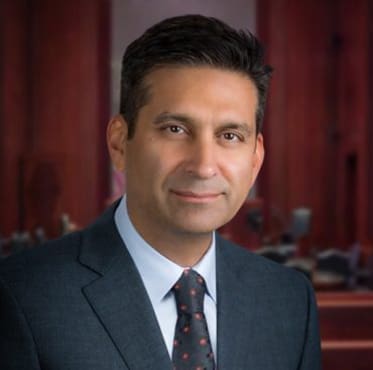


Why Clients Choose Max Alavi, APC
- Super Lawyers recognition based on peer review
- Extensive experience in California probate law
- Millions recovered in trust and probate litigation
- Strategic handling of trust and estate disputes
- Proven advocacy for surviving spouses and heirs
- Clear guidance through complex probate matters
- Outstanding dedication to every one of our clients




Let's Work Together - Tell Us Your Needs
At Max Alavi, Attorney at Law, APC, we understand the complexities of California probate law and are committed to providing solutions for trust and estate disputes. Contact us today to speak with one of our legal staff.