
Garden Grove Surviving Spouse Rights Attorney
Top Ranked Trust & Probate Lawyers in California
5-Star Client Rating | Read Our Reviews
Surviving Spouse Rights Expertise in Garden Grove
At Max Alavi, Attorney at Law, we are dedicated to safeguarding the rights of surviving spouses throughout Garden Grove. With a proven track record in Surviving Spouse Rights, our firm delivers personalized legal guidance with empathy and precision. We understand the emotional and legal challenges families face after a loss, and our unwavering commitment ensures that your interests are protected every step of the way.
"At Max Alavi, Attorney at Law, your peace of mind is our top priority. We advocate tirelessly for your entitlements and fair treatment under the law."
- Decades of combined experience in Surviving Spouse Rights cases
- Responsive, compassionate communication throughout your case
- In-depth knowledge of Garden Grove regulations and probate procedures
Trust Max Alavi, Attorney at Law to provide skilled, approachable legal representation when you need it most. If you're in Garden Grove and seeking guidance on Surviving Spouse Rights, we are here to help every step of the way.
Our Trust Litigation Case Process

1. Case Evaluation
We begin with a full review of the trust, will, financial records, and family history. Our legal team will identify your rights, deadlines, and the best legal path before anything is filed.

2. Court Filings
The case formally begins when a probate petition or trust lawsuit is filed in California probate court, often in Orange County Superior Court. This step sets the legal issues, brings all parties into the case.

3. Discovery and Settlement
Both sides exchange documents, take depositions, and file motions to address disputes. Many trust and probate cases resolve here through settlement discussions or court ordered mediation.

4. Trial and Resolution
If no agreement is reached, the case proceeds to trial before a probate judge. After a ruling, the court orders distributions, removals of fiduciaries, or financial recovery, and we handle enforcement or appeals if needed.
Begin Your Free Case Evaluation Now
Call to schedule a free and confidential consultation with a trust litigation lawyer.


About Max Alavi, Attorney at Law
Max Alavi, Attorney at Law, located in Garden Grove, has established itself as a trusted leader in the field of Surviving Spouse Rights and beyond. Rooted in a tradition of integrity and excellence, the firm is guided by Max Alavi’s belief in compassionate counsel, diligent representation, and an unwavering dedication to each client’s unique legal and emotional needs. Since its founding, Max Alavi, Attorney at Law has provided clear, strategic advice and passionate advocacy in complex trust and estate matters, proudly offering personalized service in every case it handles.
Serving the diverse community of Garden Grove, Max Alavi, Attorney at Law distinguishes itself not only by its in-depth focus on Surviving Spouse Rights but also by its broad experience in estate, probate, and trust administration. The firm’s approach is rooted in values of transparency, responsiveness, and individualized attention that ensures clients are empowered, informed, and supported from consultation to resolution. With a history built on client-first solutions and a steadfast commitment to ethical advocacy, Max Alavi, Attorney at Law continues to stand as an accessible, reliable force for justice and peace of mind in the Garden Grove legal community.
An Interesting Fact About Surviving Spouse Rights in Garden Grove
California law offers a specific “family allowance” provision to surviving spouses, including those in Garden Grove, which is often overlooked. This allowance grants temporary financial support from the deceased’s estate to the surviving spouse (and minor children) during estate administration, regardless of whether the decedent left a will. This right ensures immediate support, even before the estate assets are formally distributed, and can be especially critical if the probate process is lengthy or contested.
Understanding Surviving Spouse Rights Laws in Garden Grove
Surviving spouse rights in Garden Grove are closely intertwined with California’s community property statutes and probate regulations, both of which significantly impact how a deceased individual’s estate is managed and distributed. As detailed by Max Alavi, Attorney at Law, California law generally ensures that a surviving spouse is entitled to at least half of the community property accumulated during the marriage, even if a will or trust attempts to allocate those assets differently. Furthermore, state law provides protections for surviving spouses to prevent disinheritance, allowing claims such as the right to an “omitted spouse’s share” if the deceased failed to update estate plans after marriage. The probate process in Garden Grove courts typically involves verifying the validity of estate documents, addressing potential spousal claims, and distributing assets according to both statutory law and the decedent’s expressed wishes.
- California’s community property laws define most assets acquired during marriage as jointly owned, with automatic rights accruing to the surviving spouse.
- Garden Grove probate courts may grant a surviving spouse a family allowance or spousal property petition to expedite asset transfer.
- Potential disputes can arise over omitted spouses, requiring legal intervention to secure rightful shares under state law.
“Spouses facing estate administration challenges in Garden Grove benefit from strategic representation to navigate spousal rights, statutory allowances, and complex court processes.” – Insights from Max Alavi, Attorney at Law
With substantial expertise in Garden Grove probate and estate law, Max Alavi, Attorney at Law offers invaluable guidance for surviving spouses seeking clarity and fair treatment regarding inheritance rights. The firm’s in-depth understanding of local legal processes, document validation, and conflict resolution enables clients to protect their interests—whether by asserting a spousal share, seeking expedited court orders, or negotiating family disputes. By keeping current with both statutory developments and procedural nuances in Orange County courts, Max Alavi, Attorney at Law, ensures that surviving spouses can effectively assert their rights and pursue favorable resolutions, minimizing unnecessary delays or legal uncertainties during an especially challenging time.
Other Services Available
```html
Probate Litigation |
https://www.octrustslawyer.com/probate-litigation/ |
Trustee Defense |
https://www.octrustslawyer.com/trustee-defense/ |
Inheritance Disputes |
https://www.octrustslawyer.com/inheritance-disputes/ |
Probate And Trust Administration |
https://www.octrustslawyer.com/probate-trust-administration/ |
Conservatorship |
https://www.octrustslawyer.com/conservatorships/ |
Surviving Spouse Rights |
https://www.octrustslawyer.com/surviving-spouse-rights/ |
Protect Your Future with a Skilled Surviving Spouse Rights Attorney at Max Alavi, Attorney at Law
If you are facing uncertainty regarding your rights as a surviving spouse, the experienced team at Max Alavi, Attorney at Law is here to help. Our attorneys will thoroughly evaluate every detail of your situation to ensure your interests are protected and a strong defense is built on your behalf. Schedule your free 30–60 minute consultation today by calling (949) 706-1919—let us provide the guidance and peace of mind you deserve during this important time.
Garden Grove Demographics
Garden Grove, California is a prominent city located in the northern section of Orange County. According to the latest U.S. Census Bureau estimates, Garden Grove has a population of approximately 170,000 residents as of the mid‑2020s. The city’s population growth has leveled in recent years, reflecting a mature, established community. Key demographic characteristics include:
- Age Distribution: The median age in Garden Grove is around 38 years, with a balanced distribution across youth, working-age adults, and seniors. Approximately 22% of residents are under the age of 18, while over 13% are aged 65 or older.
- Diversity: Garden Grove is highly diverse, with one of the largest Vietnamese-American populations in the United States, comprising nearly 40% of residents. The city’s population also includes substantial Hispanic or Latino (approximately 38%), White, and smaller percentages of other racial and ethnic groups, reflecting its multicultural heritage.
- Socioeconomic Indicators: Median household income in Garden Grove hovers around $80,000, which is somewhat below the Orange County median but near statewide averages. Per capita income is approximately $27,000–$28,000. The city faces moderate poverty rates (~12%), partly reflecting its large immigrant and working-class communities. There is a mix of owner-occupied and rental households, with homeownership rates of about 52%.
- Notable Trends: The city has experienced steady diversification over recent decades, with strong community ties within its largest ethnic groups. Socioeconomic mobility varies, with newer immigrant families often using multigenerational housing arrangements.
Garden Grove Probate Court System
Probate and trust matters in Garden Grove are administered through the Superior Court of California, County of Orange. While Garden Grove does not maintain its own probate court, all probate cases fall under the county’s jurisdiction, with proceedings typically held at:
- Costa Mesa Justice Complex (Orange County Superior Court, Probate Division)
Key aspects of the local probate system include:
- Case Types Handled:
- Decedents’ estates (formal probate, summary proceedings)
- Trust administration disputes and trust accountings
- Wills and testamentary issues
- Guardianships and conservatorships
- Elder and dependent adult financial abuse petitions
- Minor’s compromise of claims
- Procedures and Resources:
- The court offers case filing, public records access, and hearing calendars through its online system.
- Probate administration is governed by state statutes, local court rules, and specific Orange County policies, including requirements for notice, accountings, bond waivers, and formal hearings.
- Bilingual and translation services are available, catering to Garden Grove’s diverse population.
- Self-help and legal assistance programs are provided for pro per (self-represented) litigants.
- Unique Features for Legal Clients:
- Garden Grove’s cultural and linguistic diversity may require assistance with translated documents and culturally sensitive estate planning and trust administration.
- The court actively coordinates with family and mental health services for conservatorship matters, especially when involving vulnerable elders or special-needs adults.
Probate disputes, estate administration, and issues involving the rights of surviving spouses are all adjudicated through these countywide resources, and legal guidance is recommended for navigation of local rules and filings.
Family Demographics in Garden Grove
Family structures and household composition in Garden Grove illustrate an established and community-oriented profile. Key details include:
- Family vs. Non-Family Households: Approximately 77% of Garden Grove households are considered “family households,” a proportion higher than the national average, reflecting the city’s strong family orientation and prevalence of multigenerational families.
- Average Family Size: The average family household size is above 3.7 persons, significantly higher than the state average. This is due in part to the city’s large immigrant populations and common extended family living arrangements.
- Divorce Rates: Although city-specific divorce statistics are not separately reported, divorce and dissolution rates in Orange County generally parallel or slightly exceed statewide averages. Garden Grove’s strong religious and cultural groups may contribute to somewhat lower divorce rates locally, but residents frequently engage with the county family law courts for marital dissolution and custody matters.
- Family Income and Per Capita Income: Typical family household incomes in Garden Grove range from $60,000 to $100,000 depending on the number of earners, with higher incomes reported in dual-earning and extended families. The per capita income remains around $27,000–$28,000, in line with regional norms.
- School Systems: The Garden Grove Unified School District (GGUSD) serves the majority of area families, comprising over 65 schools at the elementary, intermediate, and high school levels. GGUSD is recognized for academic support and offers:
- Language immersion and bilingual programs, including Vietnamese and Spanish, reflecting community demographics.
- Magnet and special education options.
- Programs supporting college readiness and vocational training.
- Social Programs:
- Childcare subsidies and after-school enrichment programs.
- Family resource centers offering immigrant support, job placement, and family therapy services.
- Health services partnerships for low-income children and seniors.
These factors create a supportive environment for families, with particular attention to multicultural integration and programs supporting economic stability and educational attainment. Residents seeking legal assistance regarding estate, probate, or surviving spouse rights benefit from understanding these demographic and social features unique to Garden Grove.
Trust Litigation
Areas We Serve
At Max Alavi, Attorney at Law, we have decades of experience in dealing with complex trust litigation matters throughout California. When you hire our legal team, you are bringing on the best and toughest litigators around to aggresively fight on your behalf.
What Our Amazing Clients Have To Say
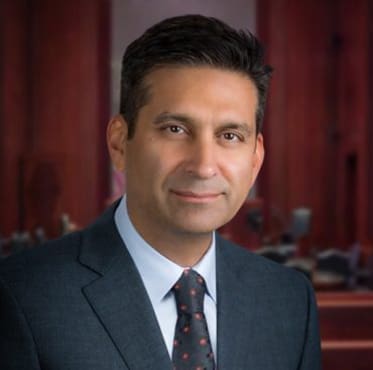


Why Clients Choose Max Alavi, APC
- Super Lawyers recognition based on peer review
- Extensive experience in California probate law
- Millions recovered in trust and probate litigation
- Strategic handling of trust and estate disputes
- Proven advocacy for surviving spouses and heirs
- Clear guidance through complex probate matters
- Outstanding dedication to every one of our clients




Let's Work Together - Tell Us Your Needs
At Max Alavi, Attorney at Law, APC, we understand the complexities of California probate law and are committed to providing solutions for trust and estate disputes. Contact us today to speak with one of our legal staff.