
Garden Grove Estate Planning Attorney
Top Ranked Trust & Probate Lawyers in California
5-Star Client Rating | Read Our Reviews
Garden Grove Estate Planning Services
At Max Alavi, Attorney at Law in Garden Grove, we pride ourselves on delivering trusted estate planning solutions tailored to your family's needs and future ambitions. Our experienced legal team crafts personalized wills, trusts, and asset protection plans to provide peace of mind for you and your loved ones. We are committed to guiding you through every stage of the estate planning process with compassion and transparency.
- Decades of local expertise in Garden Grove estate planning law
- Client-focused approach, ensuring your priorities come first
- Comprehensive estate planning, from wills and trusts to advanced directives
"At Max Alavi, Attorney at Law, your future is our priority. We simplify complex estate planning decisions so you can focus on what matters most."
Our Trust Litigation Case Process

1. Case Evaluation
We begin with a full review of the trust, will, financial records, and family history. Our legal team will identify your rights, deadlines, and the best legal path before anything is filed.

2. Court Filings
The case formally begins when a probate petition or trust lawsuit is filed in California probate court, often in Orange County Superior Court. This step sets the legal issues, brings all parties into the case.

3. Discovery and Settlement
Both sides exchange documents, take depositions, and file motions to address disputes. Many trust and probate cases resolve here through settlement discussions or court ordered mediation.

4. Trial and Resolution
If no agreement is reached, the case proceeds to trial before a probate judge. After a ruling, the court orders distributions, removals of fiduciaries, or financial recovery, and we handle enforcement or appeals if needed.
Begin Your Free Case Evaluation Now
Call to schedule a free and confidential consultation with a trust litigation lawyer.


About Max Alavi, Attorney at Law
Established in Garden Grove, Max Alavi, Attorney at Law has become a trusted leader in Estate Planning and a broad range of related legal services. With roots in the local community and a steadfast commitment to excellence, the firm expertly guides clients through complex legal matters such as estate administration, wills, and trust formation. Drawing from a rich history of delivering exemplary legal counsel, Max Alavi, Attorney at Law is recognized for its personalized approach, deep understanding of client needs, and an unwavering attention to detail, ensuring every client receives the most effective and strategic representation.
Located in the heart of Garden Grove, Max Alavi, Attorney at Law is driven by values of integrity, transparency, and compassion. The firm distinguishes itself by fostering long-term relationships with clients, emphasizing open communication and responsiveness at every stage of the Estate Planning process. Clients benefit from the team’s comprehensive knowledge, not only in Estate Planning but in the many facets that often intersect with these matters. By consistently delivering dedicated service and tailored strategies, Max Alavi, Attorney at Law upholds a tradition of excellence and serves as a pillar in the Garden Grove legal community.
An Interesting Fact About Estate Planning in Garden Grove, California
A lesser-known but important aspect of estate planning in Garden Grove, California, is that the state recognizes “small estate affidavits,” which allow heirs to transfer property valued under $184,500 without formal probate. This expedited process is particularly beneficial for families with modest estates, as it saves time and legal expenses. Notably, this threshold is periodically adjusted for inflation. Understanding this California-specific rule can help residents streamline estate transfers efficiently.
Overview of Estate Planning Laws in Garden Grove
Estate planning in Garden Grove is shaped by California state laws, which establish clear guidelines for the creation of wills, trusts, powers of attorney, and advance healthcare directives. As detailed by Max Alavi, Attorney at Law, properly structured estate plans are crucial for ensuring that your assets are distributed according to your wishes while minimizing probate complexities and potential tax implications. Local regulations require that legal documents meet specific execution standards—such as being witnessed or notarized—and failing to adhere can render them invalid in court. The probate process in Garden Grove courts can be lengthy, involving the validation of wills, appointment of executors, and notification of heirs, making comprehensive estate planning essential for protecting your family's interests and streamlining asset transfer.
- Inadequate or outdated estate planning may lead to probate, legal disputes among heirs, and unnecessary taxes or delays.
- Properly created living trusts can help avoid probate and maintain privacy for families in Garden Grove.
- California law allows for advanced healthcare directives and durable powers of attorney to ensure your health and financial wishes are honored if you become incapacitated.
“The right estate plan not only protects your assets, but also spares your loved ones from unnecessary hurdles and expenses. Local expertise can make the difference between a smooth transition and contentious probate litigation.” – Insights from Max Alavi, Attorney at Law
With significant experience serving clients in Garden Grove, Max Alavi, Attorney at Law provides tailored advice to navigate the complexities of estate planning under California law. Their approach emphasizes meticulous document preparation, attention to local court requirements, and proactive strategies to minimize potential disputes or legal challenges. Clients benefit from detailed consultations that address everything from trust funding and asset protection to planning for tax efficiency and guardianship provisions. Whether facing the creation of a comprehensive estate plan or needing to update existing documents, Max Alavi, Attorney at Law, delivers informed guidance to ensure your intentions are clearly documented and legally enforceable.
Compassionate Estate Planning Guidance from Orange County Estate Planning Attorneys at Max Alavi, Attorney at Law
Are you ready to secure your family's future and protect your legacy? The attorneys at Max Alavi, Attorney at Law provide comprehensive estate planning services tailored to your unique needs. Our team will carefully assess every aspect of your situation to ensure your assets are distributed according to your wishes and your loved ones are shielded from unnecessary stress. Take advantage of a free 30-60 minute initial consultation—call us today at (949) 706-1919 to get started with trusted, professional guidance you can count on.
Garden Grove Demographics
Garden Grove is a major suburban city located in northern Orange County, California. According to the U.S. Census Bureau’s most recent estimates, the city has a population of approximately 171,600 residents. Demographically, Garden Grove reflects significant ethnic and cultural diversity:
- Age Distribution: The median age is about 38 years, with nearly 25% of the population under 18, and a balanced representation across working-age and older adult groups.
- Diversity: Garden Grove is one of the most ethnically diverse cities in the region:
- Nearly 40% Asian (predominantly Vietnamese)
- About 36% Hispanic or Latino
- Remainder is White (non-Hispanic), African American, Pacific Islander, and other groups
- Socioeconomic Indicators:
- Median household income is approximately $85,000, slightly below the Orange County median, reflecting a mix of mid-range incomes and working-class households.
- Per capita income stands at about $29,000.
- Roughly 12–13% of residents live below the federal poverty line, which is above the county average.
- Trends: Garden Grove’s population growth has been steady, with a robust immigrant presence and a strong sense of community among its diverse populations.
These demographic factors underscore an economically varied, family-centric city with significant needs for estate, trust, and probate-related services, especially for multi-generational and immigrant households.
Garden Grove Probate Court System
Probate and trust matters for Garden Grove residents fall under the jurisdiction of the Superior Court of California, County of Orange. The relevant probate proceedings are managed primarily through the following:
- Court Location:
- Probate/Mental Health Department, Central Justice Center, Santa Ana (700 Civic Center Dr. West, Santa Ana, CA 92701)
- Types of Cases Handled:
- Decedent estates (with or without a will)
- Trust administration disputes and accountings
- Guardianships and conservatorships
- Minor’s compromise hearings
- Elder or dependent adult protections and petitions
- Unique Features:
- Probate case filings, notices, and petitions are accepted at the Central Justice Center, with electronic and in-person submission options.
- Public online case access is available for tracking probate case status, filings, and judicial calendars.
- Probate rules conform to both state law (California Probate Code) and local Orange County Superior Court rules.
- Garden Grove residents should be aware that probate court proceedings involve strict deadlines, formal requirements for service of notice, and, in some cases, judicial supervision of asset distribution.
For most probate, estate, and trust matters originating in Garden Grove, legal clients must engage with the Orange County probate court system based in Santa Ana, making careful coordination with court procedures and deadlines essential for efficient estate planning and administration.
Family Demographics in Garden Grove
Garden Grove’s household and family structure reflects its population’s diversity and strong community ties:
- Family versus Single Households:
- Approximately 75% of households are classified as “family households.”
- About one-third of all households include children under 18.
- Family Size:
- The average family size is approximately 3.9 persons, noticeably higher than state and national averages, partly due to multi-generational living arrangements common in some cultural groups.
- Average household size is about 3.5 persons.
- Divorce Rates:
- Specific, city-level divorce rates are not publicly published; however, Orange County generally has a moderate divorce rate, with thousands of cases filed each year.
- Family Income and Per Capita Income:
- Median family income is slightly higher than overall household income, reflecting multiple earners in family households.
- Per capita income is estimated at around $29,000, lower than several neighboring cities.
- School Systems and Social Programs:
- Garden Grove Unified School District (GGUSD):
- One of the largest and most academically recognized districts in Orange County, serving over 40,000 students across 67 schools.
- High graduation rates and strong English learner support programs.
- Popular social programs include after-school enrichment, English language support, family resource centers, and community outreach initiatives targeting youth and immigrant families.
- Garden Grove Unified School District (GGUSD):
These family demographic characteristics highlight the importance of tailored estate planning and family law services, particularly for multi-generational and diverse households seeking to protect family assets and ensure continuity for dependents.
Trust Litigation
Areas We Serve
At Max Alavi, Attorney at Law, we have decades of experience in dealing with complex trust litigation matters throughout California. When you hire our legal team, you are bringing on the best and toughest litigators around to aggresively fight on your behalf.
What Our Amazing Clients Have To Say
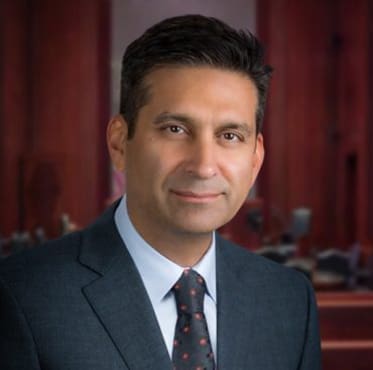


Why Clients Choose Max Alavi, APC
- Super Lawyers recognition based on peer review
- Extensive experience in California probate law
- Millions recovered in trust and probate litigation
- Strategic handling of trust and estate disputes
- Proven advocacy for surviving spouses and heirs
- Clear guidance through complex probate matters
- Outstanding dedication to every one of our clients




Let's Work Together - Tell Us Your Needs
At Max Alavi, Attorney at Law, APC, we understand the complexities of California probate law and are committed to providing solutions for trust and estate disputes. Contact us today to speak with one of our legal staff.