
Fullerton Financial Elder Abuse Attorney
Top Ranked Trust & Probate Lawyers in California
5-Star Client Rating | Read Our Reviews
Fullerton Financial Elder Abuse Legal Services
At Max Alavi, Attorney at Law, we proudly serve the Fullerton community with dedicated experience in Financial Elder Abuse cases. Our firm combines years of specialized knowledge with a deep commitment to protecting some of our community’s most vulnerable members. When you choose us, you benefit from a client-focused team that understands both the sensitive nature and complexities of elder financial exploitation.
"Protecting your loved ones from financial harm is our highest priority. Compassion, diligence, and decisive action are at the core of every case we handle."
- Thorough investigation into suspected financial exploitation
- Clear communication to keep clients informed every step of the way
- Tailored strategies based on the unique needs of each family in Fullerton
- Strong track record of successful outcomes in Financial Elder Abuse matters
Our Trust Litigation Case Process

1. Case Evaluation
We begin with a full review of the trust, will, financial records, and family history. Our legal team will identify your rights, deadlines, and the best legal path before anything is filed.

2. Court Filings
The case formally begins when a probate petition or trust lawsuit is filed in California probate court, often in Orange County Superior Court. This step sets the legal issues, brings all parties into the case.

3. Discovery and Settlement
Both sides exchange documents, take depositions, and file motions to address disputes. Many trust and probate cases resolve here through settlement discussions or court ordered mediation.

4. Trial and Resolution
If no agreement is reached, the case proceeds to trial before a probate judge. After a ruling, the court orders distributions, removals of fiduciaries, or financial recovery, and we handle enforcement or appeals if needed.
Begin Your Free Case Evaluation Now
Call to schedule a free and confidential consultation with a trust litigation lawyer.


About Max Alavi, Attorney at Law
Established with a commitment to offering specialized legal services, Max Alavi, Attorney at Law in Fullerton has distinguished itself as a leader in the field of Financial Elder Abuse and related legal matters. With a foundation rooted in trust, knowledge, and compassion, the firm takes pride in its longstanding service to families and individuals navigating complex issues of estate planning, trust administration, and probate litigation. At Max Alavi, Attorney at Law, every case is approached with meticulous attention to detail and a dedication to achieving optimal results for clients, underscoring the firm's legacy as an unwavering advocate in the Fullerton legal community.
Operating from the vibrant city of Fullerton, Max Alavi, Attorney at Law is guided by a clear set of values: integrity, personalized service, and a genuine concern for the well-being of clients. The firm’s unique strength lies in its ability to blend extensive experience in Financial Elder Abuse cases with a compassionate, individualized approach that treats each client with respect and honesty. From the first consultation to the final resolution, Max Alavi, Attorney at Law is distinguished by transparent communication, innovative problem-solving, and a relentless drive to protect the interests and dignity of its clients.
An Interesting Fact About Financial Elder Abuse in California
One lesser-known aspect of California financial elder abuse laws is that mandatory reporters—such as bank employees—must report suspected abuse to Adult Protective Services or law enforcement within two working days. This obligation is unique to California, where financial institutions play a proactive role in preventing elder exploitation. These timely reports can trigger rapid investigations, helping to shield vulnerable Fullerton seniors from further harm and increasing the likelihood of stopping financial abuse before major losses occur.
Overview of Financial Elder Abuse Laws in Fullerton
Financial elder abuse in Fullerton is governed by a mix of California state statutes designed to protect seniors from fraudulent, coercive, or deceptive practices that can jeopardize their financial well-being. According to expert insights from Max Alavi, Attorney at Law, financial elder abuse can manifest in numerous forms, including undue influence, misappropriation of assets, unauthorized transfer of property, or improper use of powers of attorney. Local regulations are particularly robust, imposing strict duties and potential liabilities on those entrusted with managing the financial interests of the elderly, especially fiduciaries, caregivers, and family members. The court process in Fullerton typically involves an initial investigation, evidentiary hearings, and, if necessary, a full trial to determine if exploitation has occurred and what remedies should be applied.
- California’s statutes empower courts to freeze contested assets, appoint conservators, and issue restraining orders for victim protection.
- Violators may face civil liability—including restitution and damages—as well as criminal penalties where intent is established.
- Timely reporting is critical, as victims and their families must often act quickly to prevent further financial loss and preserve evidence.
Potential resolutions may include court-supervised recovery of stolen assets, removal of fiduciaries, and pursuit of both civil and criminal remedies—often depending on the evidence and the urgency of the victim’s needs.” – Insights from Max Alavi, Attorney at Law
With extensive knowledge of local statutes, court processes, and practical strategies to combat financial elder abuse, Max Alavi, Attorney at Law offers comprehensive counsel to clients in Fullerton. The firm’s attorneys meticulously evaluate case details, from reviewing estate plans and asset transfers to investigating patterns of conduct that could indicate undue influence or exploitation. By leveraging a strong command of both the legal system and the nuances unique to elder financial abuse cases, Max Alavi and his team work to safeguard the financial security and dignity of seniors, advising families on the best courses of action, whether through litigation, negotiation, or preventative planning.
Other Services Available
```html
Financial Elder Abuse |
https://www.octrustslawyer.com/financial-elder-abuse/ |
Compassionate Guidance from an Orange County Financial Elder Abuse Attorney at Max Alavi, Attorney at Law
If you or a loved one is facing concerns about financial elder abuse, know that help is available. The experienced attorneys at Max Alavi, Attorney at Law are ready to thoroughly review every aspect of your situation and build a strong case to protect your rights and assets. We offer a free, confidential initial consultation, lasting 30-60 minutes, so you can get the answers you need without obligation. For compassionate and professional support, contact us today at (949) 706-1919.
Fullerton Demographics
Fullerton, California is a well-established city located in northern Orange County with an estimated population of approximately 139,000 residents as of the mid-2020s, according to U.S. Census Bureau data. The population exhibits a balanced age distribution:
- Median age: Approximately 35 years, with about 22% under age 18 and a sizable population of adults in the 25–54 age bracket.
- Senior population: Roughly 13% of residents are aged 65 and above, which is significant for considerations of elder care, including financial abuse prevention.
Fullerton’s community is ethnically and culturally diverse:
- Race/ethnicity: Hispanic or Latino residents make up the largest group (over 38%), with significant White (non-Hispanic), Asian (notably Korean and Vietnamese communities), and smaller African American and multiracial populations.
- Languages: A high proportion of households speak a language other than English at home, reflecting the city’s multicultural character.
Socioeconomic indicators show a varied profile:
- Median household income: Approximately $85,000–$90,000, close to the Orange County average but below some neighboring cities.
- Poverty rate: About 12–13% of residents live below the federal poverty threshold.
- Education: Nearly 36% of adults hold a bachelor's degree or higher, indicating a well-educated populace.
Recent trends include gradual population growth and increasing cultural diversity. An aging demographic is also noticeable, which heightens the need for legal services, particularly for elder care and protection against financial exploitation.
Fullerton Probate Court System
Probate matters for Fullerton residents are overseen by the Superior Court of California, County of Orange. This court exercises jurisdiction over probate, trust, and conservatorship cases affecting individuals in Fullerton and broader Orange County. Key features include:
- Primary venue: Probate Division at the Central Justice Center (700 Civic Center Drive West, Santa Ana, CA).
- Types of cases handled:
- Decedents’ estate administration
- Will validation (probate of wills)
- Trust proceedings and trust contests
- Conservatorship establishment and oversight (particularly relevant for elder adults)
- Guardianships for minors
- Elder and dependent adult financial abuse restraining orders and protective measures
- Unique features:
- Cases may be heard by dedicated probate judges with experience in trust, estate, and elder law matters.
- The court allows for e-filing of documents and provides online access to probate records for parties and attorneys.
- Specialized rules are in place for cases involving financial elder abuse, such as expedited hearings for protective orders and mandatory reporting protocols.
- Fullerton matters related to family law (e.g., divorce, custody) are directed to the Family Law Division, generally at the Lamoreaux Justice Center.
For legal clients in Fullerton, it is crucial to recognize that the probate court has distinct procedures, forms, and filing deadlines governed by California law and local Orange County court rules. For issues such as financial elder abuse, the probate court plays a central role in appointing conservators, freezing accounts, and pursuing recovery of assets on behalf of vulnerable adults.
Family Demographics in Fullerton
Fullerton demonstrates a mixed family structure, with approximately 65% of households categorized as family households and the remainder as single or nonfamily households.
- Average household size: About 2.9 persons per household, which is somewhat above the state average.
- Family size: Median family size is approximately 3.4 persons.
- Marriage and divorce:
- Approximately 45% of adults are married.
- The city’s divorce rate is consistent with Orange County averages—estimated at roughly 9% of adults divorced or separated at any given time, with hundreds of new cases filed each year.
- Income:
- Median family income: Estimated at $104,000–$110,000 per year. Dual-income families are common.
- Per capita income: About $36,000–$38,000 annually.
Educational and social services:
- School systems: Served by the Fullerton School District (elementary and middle schools) and Fullerton Joint Union High School District, both recognized for academic rigor and diverse programs.
- Additional resources: California State University, Fullerton and Fullerton College contribute to adult and continuing education in the city.
- Social programs: The city offers a range of community services, including senior centers, the Fullerton Community Center (with adult day care and caregiver support), and targeted elder abuse prevention initiatives.
These factors—combined with a growing elderly population—make Fullerton a city where legal counsel in probate, elder care, and family law is often sought, particularly in matters such as financial elder abuse, estate planning, and conservatorships.
Trust Litigation
Areas We Serve
At Max Alavi, Attorney at Law, we have decades of experience in dealing with complex trust litigation matters throughout California. When you hire our legal team, you are bringing on the best and toughest litigators around to aggresively fight on your behalf.
What Our Amazing Clients Have To Say
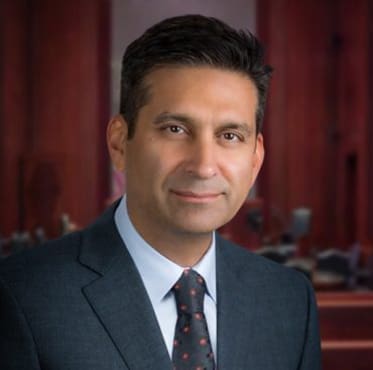


Why Clients Choose Max Alavi, APC
- Super Lawyers recognition based on peer review
- Extensive experience in California probate law
- Millions recovered in trust and probate litigation
- Strategic handling of trust and estate disputes
- Proven advocacy for surviving spouses and heirs
- Clear guidance through complex probate matters
- Outstanding dedication to every one of our clients




Let's Work Together - Tell Us Your Needs
At Max Alavi, Attorney at Law, APC, we understand the complexities of California probate law and are committed to providing solutions for trust and estate disputes. Contact us today to speak with one of our legal staff.