
Fountain Valley Surviving Spouse Rights Attorney
Top Ranked Trust & Probate Lawyers in California
5-Star Client Rating | Read Our Reviews
Fountain Valley Surviving Spouse Rights Expertise
At Max Alavi, Attorney at Law, our dedicated team specializes in protecting Surviving Spouse Rights in Fountain Valley, offering compassionate guidance and trusted legal solutions in your time of need. With years of focused experience and a deep understanding of California inheritance and estate laws, our firm provides clients with reliable advocacy and clarity as they navigate complex family and financial matters. By choosing Max Alavi, Attorney at Law, you can expect personalized attention and practical strategies tailored to secure your future.
Our commitment is to stand by surviving spouses—ensuring you receive the protection, support, and fair treatment you deserve under the law.
- Extensive expertise in Surviving Spouse Rights and estate matters
- Personalized, attentive service for every client
- Proven results supporting spouses throughout Fountain Valley
Our Trust Litigation Case Process

1. Case Evaluation
We begin with a full review of the trust, will, financial records, and family history. Our legal team will identify your rights, deadlines, and the best legal path before anything is filed.

2. Court Filings
The case formally begins when a probate petition or trust lawsuit is filed in California probate court, often in Orange County Superior Court. This step sets the legal issues, brings all parties into the case.

3. Discovery and Settlement
Both sides exchange documents, take depositions, and file motions to address disputes. Many trust and probate cases resolve here through settlement discussions or court ordered mediation.

4. Trial and Resolution
If no agreement is reached, the case proceeds to trial before a probate judge. After a ruling, the court orders distributions, removals of fiduciaries, or financial recovery, and we handle enforcement or appeals if needed.
Begin Your Free Case Evaluation Now
Call to schedule a free and confidential consultation with a trust litigation lawyer.

About Max Alavi, Attorney at Law
Established on a foundation of experience, compassion, and integrity, Max Alavi, Attorney at Law in Fountain Valley has earned a trusted reputation for its comprehensive legal counsel, particularly in the field of Surviving Spouse Rights. Serving the local community for years, the firm distinguishes itself by blending sophisticated legal knowledge with hands-on, personalized service, guiding clients through complex matters such as trust and estate disputes, probate, and estate administration. Max Alavi, Attorney at Law is defined by its unwavering commitment to protecting client interests with tailored strategies, responsive communication, and a meticulous attention to detail, ensuring every client feels empowered and informed throughout their legal journey.
Rooted in Fountain Valley, Max Alavi, Attorney at Law upholds values of honesty, respect, and legal excellence while striving to offer every client the personalized care they deserve. The firm's unique approach lies in treating each case—especially those involving Surviving Spouse Rights—as a partnership rather than just a transaction, always prioritizing the client's best outcome. Their dedication to ongoing education, collaboration, and civic responsibility underscores their leadership within the legal community. Clients of Max Alavi, Attorney at Law benefit from an attorney and staff who are not just legal representatives, but supportive advocates navigating clients confidently through life’s most significant transitions.
An Interesting Fact About Surviving Spouse Rights in Fountain Valley
A lesser-known but critical aspect of California surviving spouse rights, particularly in Fountain Valley, is the legal significance of the "Widow's Election." This option allows a surviving spouse to choose between accepting what is provided under a deceased spouse’s will or exercising their statutory community property rights instead. In California, this election can be crucial if a will conflicts with community property laws, ensuring surviving spouses in Fountain Valley receive their lawful share of marital assets.
Overview of Surviving Spouse Rights Laws in Fountain Valley
Surviving spouse rights in Fountain Valley are shaped by California’s comprehensive estate planning laws, which aim to protect the interests of spouses after the death of their partner. According to information from Max Alavi, Attorney at Law, these laws encompass the right to inherit community property, make claims against the estate, and, in certain cases, exercise statutory elections to secure a share of assets. When an individual passes away without a will (intestate), California’s intestacy statutes generally give the surviving spouse a significant portion—if not all—of the decedent’s estate, particularly in marriages where most property is considered community property. The court process involves probate administration, where the surviving spouse may need to file petitions to establish their rights, address will contests, or assert community property claims.
- Surviving spouses have a right to a share of community property and—in the absence of a valid will—often the entirety of the marital estate.
- Probate proceedings in Fountain Valley courts can include inventorying assets, validating the will, and resolving beneficiary or creditor disputes.
- Potential penalties for failing to assert spousal rights promptly include loss of inheritance or limited recovery in contested estates.
"With a deep understanding of complex California estate laws, Max Alavi, Attorney at Law, guides surviving spouses through every step of claiming their legal rights, from document review to courtroom representation.” – Insights from Max Alavi, Attorney at Law
Drawing on substantial expertise in Fountain Valley, Max Alavi, Attorney at Law assists clients in maximizing their entitlements under local statutes. The firm helps surviving spouses navigate intricate court procedures, ensuring deadlines are met and property rights are preserved. Their strategic counsel considers not only statutory allowances but also potential dispute resolution methods, including mediated settlements or negotiation of will contests. By leveraging in-depth knowledge of regional court requirements and estate planning tools, Max Alavi, Attorney at Law provides clear guidance and robust representation—helping clients achieve fair outcomes and peace of mind during a challenging time.
Other Services Available
Probate Litigation |
https://www.octrustslawyer.com/probate-litigation/ |
Trustee Defense |
https://www.octrustslawyer.com/trustee-defense/ |
Inheritance Disputes |
https://www.octrustslawyer.com/inheritance-disputes/ |
Probate And Trust Administration |
https://www.octrustslawyer.com/probate-trust-administration/ |
Conservatorship |
https://www.octrustslawyer.com/conservatorships/ |
Surviving Spouse Rights |
https://www.octrustslawyer.com/surviving-spouse-rights/ |
Protecting Surviving Spouse Rights with Max Alavi, Attorney at Law
If you are concerned about your rights as a surviving spouse, Max Alavi, Attorney at Law, is here to provide clear guidance and strong legal representation. Our attorneys will thoroughly evaluate every aspect of your situation to protect your interests and build a solid case in your favor. Take the first step toward peace of mind—contact us at (949) 706-1919 for a free, no-obligation consultation lasting 30-60 minutes. You don’t have to navigate this challenging time alone—let our experienced team stand by your side.
Fountain Valley Demographics
Fountain Valley, California, is a suburban city located in Orange County, with an estimated population of approximately 57,000 as of the mid‑2020s. The population growth in Fountain Valley has remained stable, reflecting a mature residential community with established neighborhoods. Key demographic features include:
- Age Distribution: The median age in Fountain Valley is in the mid‑40s, indicating an older population compared to many surrounding areas. Approximately 20% of residents are under 18, while a significant proportion belongs to the 45–64 age group and seniors 65+ comprise about 18% of the population.
- Diversity: Fountain Valley is ethnically diverse. According to U.S. Census Bureau data, roughly 48% of residents are Asian (primarily Vietnamese), followed by White (about 38%), Hispanic or Latino (approximately 12%), and smaller percentages of other groups, highlighting a significant Asian-American community presence.
- Socioeconomic Indicators: The median household income in Fountain Valley is estimated at $100,000–$110,000, above the national average but slightly below some neighboring Orange County cities such as Irvine. The per capita income is about $44,000–$46,000. The poverty rate is low, around 7%.
- Notable Trends: Fountain Valley is characterized by high homeownership rates, an established single-family housing stock, and a relatively stable, aging population. The city’s demographic landscape has seen a gradual increase in diversity over the last decade, especially within the Asian and senior communities.
Fountain Valley Probate Court System
Probate and trust matters for Fountain Valley residents are administered through the Superior Court of California, County of Orange. The Orange County Superior Court oversees probate jurisdiction across the county, including all cases originating in Fountain Valley. The key components of the probate system are:
- Key Court: Central Justice Center (located in Santa Ana) houses the Probate/Mental Health Division, which serves all Orange County cities, including Fountain Valley.
- Case Types Handled:
- Decedents’ estate administration (with or without a will)
- Trust administration and trust disputes
- Spousal property petitions, including matters involving surviving spouse rights
- Guardianships and conservatorships
- Claims regarding elders and dependent adults, as well as will contests and minor’s compromises
- Unique Features:
- The Probate Division provides a dedicated online case access system for attorneys and the public to review filings, court dates, and official documents.
- There are specialized judicial officers assigned to probate and trust cases, ensuring matters related to surviving spouse property rights or family petitions are handled by experienced judges.
- Local rules and statewide California Probate Code govern filing deadlines, required notices, and procedures specific to Orange County Probate Court.
- Legal Services for Surviving Spouses:
- Petitions under California Probate Code § 13500 (Spousal Property Petition)
- Summary proceedings for surviving spouses
- Community property claims, omitted spouse issues, and elective share rights
Residents of Fountain Valley seeking probate or trust administration—particularly involving surviving spouse rights—will work primarily through the centralized Orange County system, making familiarity with countywide procedures and court resources essential for legal clients.
Family Demographics in Fountain Valley
Fountain Valley’s households display a strong family orientation, with characteristics reflecting both multigenerational and nuclear family patterns:
- Family vs. Single Households: Roughly 75% of households are classified as families, while about 25% are non-family (single individuals or roommates).
- Family Size: Average household size is about 2.9, slightly above the state average. The city sees a notable percentage of extended/multigenerational households, particularly among Asian and Vietnamese-American families.
- Divorce Rates: While city-specific divorce rates are unavailable, Orange County at large maintains a moderate divorce rate compared with statewide averages, with several thousand new divorce proceedings annually. Family law cases are managed by the Family Law Division of the Superior Court, typically through the Lamoreaux Justice Center in Orange.
- Family Income & Per Capita Income:
- Median family income exceeds $110,000, supported by dual-income households and strong professional employment in healthcare, technology, and administrative sectors.
- Per capita income is consistent with regional averages, estimated at $44,000–$46,000.
- School Systems:
- The Fountain Valley School District serves the area’s elementary and middle schools, recognized for above-average standardized test scores, graduation rates, and community support.
- High school students typically attend schools in the Huntington Beach Union High School District, which offers specialized programs, honors/AP courses, and extracurricular activities.
- Popular Social Programs:
- Support programs for seniors, low-income families, and children through the Fountain Valley Community Foundation and city social services.
- Recreation opportunities, after-school childcare programs, and senior community centers.
Fountain Valley continues to foster a family-friendly environment, supported by strong local schools, stable family incomes, and robust social programs—features of particular importance to legal clients seeking counsel for estate, probate, or family law matters.
Trust Litigation
Areas We Serve
At Max Alavi, Attorney at Law, we have decades of experience in dealing with complex trust litigation matters throughout California. When you hire our legal team, you are bringing on the best and toughest litigators around to aggresively fight on your behalf.
What Our Amazing Clients Have To Say
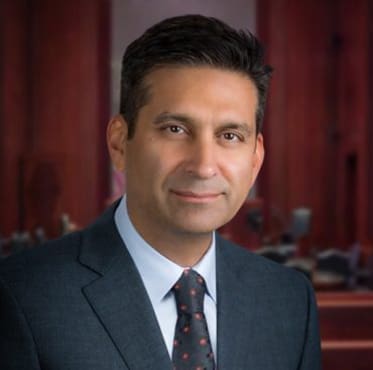


Why Clients Choose Max Alavi, APC
- Super Lawyers recognition based on peer review
- Extensive experience in California probate law
- Millions recovered in trust and probate litigation
- Strategic handling of trust and estate disputes
- Proven advocacy for surviving spouses and heirs
- Clear guidance through complex probate matters
- Outstanding dedication to every one of our clients




Let's Work Together - Tell Us Your Needs
At Max Alavi, Attorney at Law, APC, we understand the complexities of California probate law and are committed to providing solutions for trust and estate disputes. Contact us today to speak with one of our legal staff.