
Fountain Valley Probate Litigation Attorney
Top Ranked Trust & Probate Lawyers in California
5-Star Client Rating | Read Our Reviews
Fountain Valley Probate Litigation Expertise
At Max Alavi, Attorney at Law, we understand that probate matters can be complex and emotionally challenging. Proudly serving Fountain Valley, our firm specializes in Probate Litigation, expertly guiding clients through disputes over wills, trusts, and the administration of estates. We combine decades of specialized experience with a deep commitment to client-centered service, ensuring that your concerns are heard and your interests are protected. What sets us apart:
- Extensive experience in local Fountain Valley probate courts
- Personalized legal strategies tailored to each client’s unique situation
- Compassionate support and clear communication every step of the way
"Our mission at Max Alavi, Attorney at Law is to deliver clarity, peace of mind, and outstanding results for every probate litigation client in Fountain Valley."
If you are facing complex probate litigation, trust Max Alavi, Attorney at Law to provide the knowledgeable guidance and steadfast advocacy you need right here in Fountain Valley.
Our Trust Litigation Case Process

1. Case Evaluation
We begin with a full review of the trust, will, financial records, and family history. Our legal team will identify your rights, deadlines, and the best legal path before anything is filed.

2. Court Filings
The case formally begins when a probate petition or trust lawsuit is filed in California probate court, often in Orange County Superior Court. This step sets the legal issues, brings all parties into the case.

3. Discovery and Settlement
Both sides exchange documents, take depositions, and file motions to address disputes. Many trust and probate cases resolve here through settlement discussions or court ordered mediation.

4. Trial and Resolution
If no agreement is reached, the case proceeds to trial before a probate judge. After a ruling, the court orders distributions, removals of fiduciaries, or financial recovery, and we handle enforcement or appeals if needed.
Begin Your Free Case Evaluation Now
Call to schedule a free and confidential consultation with a trust litigation lawyer.
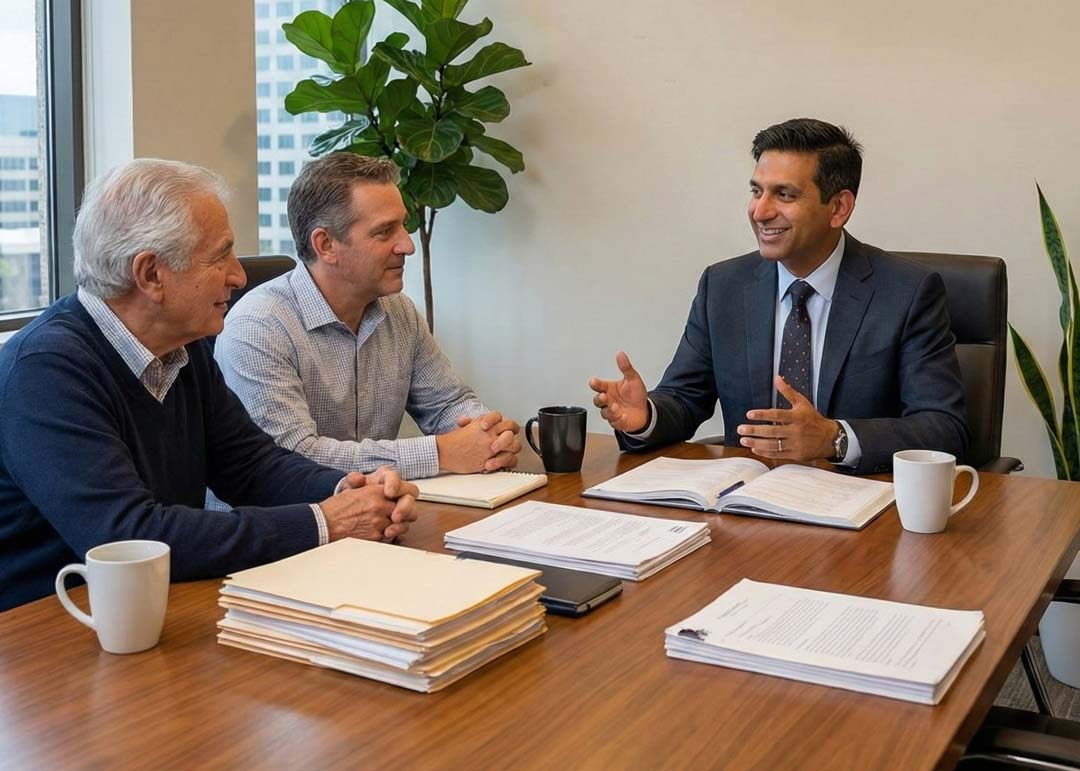

About Max Alavi, Attorney at Law
Max Alavi, Attorney at Law, based in Fountain Valley, stands as a trusted legal ally renowned for dedication, integrity, and results in the field of Probate Litigation and beyond. Founded with a vision to provide accessible and compassionate legal services, the firm has cultivated a strong reputation for guiding individuals and families through even the most complex probate, trust, and estate matters. Drawing on decades of collective experience and a genuine commitment to client wellbeing, Max Alavi, Attorney at Law leverages its deep expertise and nuanced understanding of California probate law to secure optimal outcomes for clients in Fountain Valley and across Orange County.
Distinguished by a client-centered approach and unwavering ethical standards, Max Alavi, Attorney at Law combines meticulous legal knowledge with a personal touch on every case. Clients benefit from transparent communication, responsive service, and tailored legal strategies designed to minimize conflict and maximize peace of mind—values emphasized throughout the firm’s history as shared on the firm's About page. Whether navigating high-stakes Probate Litigation, or advising on wills, trusts, or elder law, Max Alavi, Attorney at Law is committed to building lasting relationships in Fountain Valley and delivering the caliber of representation clients deserve.
An Interesting Fact About Probate Litigation in Fountain Valley
A lesser-known but important aspect of California probate litigation, especially in cities like Fountain Valley, is that the state allows for “statutory compensation” for attorneys and personal representatives based on the estate’s value. Unlike many states that leave fees to negotiation or custom, California law provides a sliding scale formula, ensuring clear guidelines and transparency. This provision helps prevent disputes over legal fees and can streamline probate litigation for families and beneficiaries involved in Fountain Valley cases.
Overview of Probate Litigation Laws in Fountain Valley
Probate litigation in Fountain Valley encompasses the legal processes and disputes that arise during the administration of a deceased person’s estate, particularly when beneficiaries or other interested parties challenge the validity of a will or trust. According to insights from Max Alavi, Attorney at Law, California probate law governs these matters, outlining procedures for identifying estate assets, settling debts, and distributing inheritance. Local regulations require probate filings and potential court hearings in cases where disputes over estate documents, undue influence, or capacity issues are raised. The court process in Fountain Valley often includes:
- Filing petitions to initiate or contest probate matters
- Notice to heirs and interested parties
- Evidentiary hearings and settlement conferences
- Final court orders resolving disputes and overseeing distribution
"Estate disputes can involve complex family dynamics and questions of legal interpretation. The probate process in Fountain Valley is designed to ensure fair resolution, whether through litigation, negotiated settlements, or alternative dispute resolution." – Insights from Max Alavi, Attorney at Law
With significant expertise in probate litigation across Fountain Valley, Max Alavi, Attorney at Law brings a nuanced understanding of the local court system and applies strategic advocacy to defend clients’ interests. Their team recognizes that probate disputes may result in outcomes such as the upholding or invalidation of estate documents, removal of fiduciaries, or negotiated settlements among parties. Potential penalties or court-enforced resolutions can include personal liability for executors, redistribution of estate assets, or payment of damages. Leveraging their detailed knowledge of both California probate law and Fountain Valley court procedures, Max Alavi, Attorney at Law, helps clients understand their options—whether they are contesting a will or defending against a challenge—to achieve the best possible outcome within the local legal framework.
Other Services Available
Probate Litigation |
https://www.octrustslawyer.com/probate-litigation/ |
Trustee Defense |
https://www.octrustslawyer.com/trustee-defense/ |
Inheritance Disputes |
https://www.octrustslawyer.com/inheritance-disputes/ |
Probate And Trust Administration |
https://www.octrustslawyer.com/probate-trust-administration/ |
Conservatorship |
https://www.octrustslawyer.com/conservatorships/ |
Surviving Spouse Rights |
https://www.octrustslawyer.com/surviving-spouse-rights/ |
Skilled Help with Probate Litigation from Max Alavi, Attorney at Law
Are you facing complex probate litigation? Max Alavi, Attorney at Law is here to provide you with experienced, compassionate representation. Our attorneys will thoroughly evaluate every detail of your case to build a strong defense and ensure your interests are protected. Contact us today for a free, 30-60 minute initial consultation by calling (949) 706-1919. Let us help you navigate probate disputes with confidence and clarity.
Fountain Valley Demographics
Fountain Valley is a mid-sized suburban city located in northern Orange County, California, with an estimated population of approximately 56,000 as of the mid-2020s. The city exhibits a stable demographic profile, shaped by both its established residential neighborhoods and its proximity to major regional employment centers. According to U.S. Census Bureau estimates:
- Population Size: Approximately 56,000 residents.
- Age Distribution: The median age is around 43 years, higher than the state average, with a notable proportion of residents aged 45 and older. Around 20% of the population is under 18, and approximately 18% are 65 or older, reflecting a mix of family households and retirees.
- Diversity: Fountain Valley is considered ethnically diverse. Approximately 45% of the population identifies as White, about 38% as Asian (notably Vietnamese and Korean communities), 14% as Hispanic or Latino, and smaller percentages as other or multiracial.
- Socioeconomic Indicators: The city maintains a strong economic profile with median household income levels commonly reported in the range of $95,000–$105,000 annually, exceeding national averages.
- Poverty Rate: The local poverty rate is below both state and county averages, generally reported between 7–8%.
- Notable Trends: Demographic data indicates consistent population stability, increasing diversity, and gradual aging of the population.
Fountain Valley Probate Court System
Probate and trust litigation matters for Fountain Valley residents are under the jurisdiction of the Superior Court of California, County of Orange. Probate cases are primarily handled at the Central Justice Center in Santa Ana, which serves all communities within Orange County. The court’s Probate/Mental Health Division administers a broad array of matters, including but not limited to:
- Administration of decedent estates (with or without a will)
- Trust litigation and trust administration
- Contested wills and inheritance disputes
- Appointment and oversight of guardianships and conservatorships
- Accountings, removal of fiduciaries, and objections
- Elder abuse and dependent adult protections
Unique features relevant to probate litigation clients include:
- Centralized Filing: All probate matters for Fountain Valley are filed and heard in Santa Ana at the Central Justice Center.
- Specialized Probate Division: Dedicated judicial officers and support staff focus exclusively on probate, trust, and related litigation matters.
- Case Management: The court utilizes case tracking and e-filing systems, enabling parties to access dockets and scheduled hearings online.
- Local Rules & Procedures: The Orange County Superior Court adopts its own set of local rules for probate, supplementing the California Probate Code. These rules address notice requirements, petition formats, objections, and timelines relevant to probate litigation.
Attorneys and individuals seeking probate litigation services in Fountain Valley interact directly or through legal counsel with the Orange County Superior Court system. Guidance on procedures, forms, and court calendars is available online and at clerk offices.
Family Demographics in Fountain Valley
Fountain Valley demonstrates a strong orientation toward family households, reinforced by stable community infrastructure. Key family demographic indicators include:
- Household Composition: Roughly 72% of households are classified as family households, with the remainder being single-person or non-family households.
- Family Size: The average household size is approximately 2.9 persons, while average family size is about 3.2 persons.
- Marital Status and Divorce: About 56% of city residents over 15 are married. Divorce rates are comparable to county averages, with regular filings at Orange County family law courts; single-parent families constitute approximately 9% of all households.
- Family Income: Estimated median family income is around $110,000. Dual-income households are common, often involving careers in professional, educational, medical, and technical fields.
- Per Capita Income: Reported per capita income approaches $44,000, indicating substantial economic stability.
Fountain Valley is served by the Fountain Valley School District for elementary education and the Huntington Beach Union High School District for secondary education, both recognized within Orange County for solid academic programs and stable graduation rates. The city also participates in regional initiatives supporting family wellness, including:
- Local after-school and enrichment programs
- Community-based youth sports and recreation leagues
- Senior and intergenerational services through the Fountain Valley Community Center
- Family resource centers and access to health and counseling services
Trust Litigation
Areas We Serve
At Max Alavi, Attorney at Law, we have decades of experience in dealing with complex trust litigation matters throughout California. When you hire our legal team, you are bringing on the best and toughest litigators around to aggresively fight on your behalf.
What Our Amazing Clients Have To Say
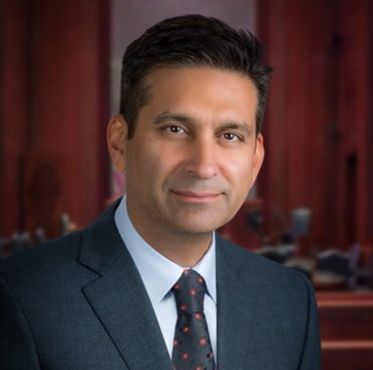


Why Clients Choose Max Alavi, APC
- Super Lawyers recognition based on peer review
- Extensive experience in California probate law
- Millions recovered in trust and probate litigation
- Strategic handling of trust and estate disputes
- Proven advocacy for surviving spouses and heirs
- Clear guidance through complex probate matters
- Outstanding dedication to every one of our clients




Let's Work Together - Tell Us Your Needs
At Max Alavi, Attorney at Law, APC, we understand the complexities of California probate law and are committed to providing solutions for trust and estate disputes. Contact us today to speak with one of our legal staff.