
Fountain Valley Contested Will and Trust Attorney
Top Ranked Trust & Probate Lawyers in California
5-Star Client Rating | Read Our Reviews
Fountain Valley Contested Will and Trust Lawyers
When facing the challenges of a contested will or trust in Fountain Valley, clients turn to Max Alavi, Attorney at Law for unwavering support and exceptional legal expertise. Our firm is dedicated to resolving complex estate disputes with a focus on protecting your rights and honoring your loved one’s wishes.
At Max Alavi, Attorney at Law, we combine decades of experience in contested will and trust matters with a personalized approach, ensuring every client receives the attentive, strategic guidance they deserve.Whether you are managing concerns of undue influence, improper execution, or disputed beneficiary claims, our seasoned attorneys are here to simplify the legal process and deliver peace of mind.
- Deep knowledge of Fountain Valley's estate laws
- Proven track record in complex contested will and trust cases
- Committed, compassionate client support every step of the way
Our Trust Litigation Case Process

1. Case Evaluation
We begin with a full review of the trust, will, financial records, and family history. Our legal team will identify your rights, deadlines, and the best legal path before anything is filed.

2. Court Filings
The case formally begins when a probate petition or trust lawsuit is filed in California probate court, often in Orange County Superior Court. This step sets the legal issues, brings all parties into the case.

3. Discovery and Settlement
Both sides exchange documents, take depositions, and file motions to address disputes. Many trust and probate cases resolve here through settlement discussions or court ordered mediation.

4. Trial and Resolution
If no agreement is reached, the case proceeds to trial before a probate judge. After a ruling, the court orders distributions, removals of fiduciaries, or financial recovery, and we handle enforcement or appeals if needed.
Begin Your Free Case Evaluation Now
Call to schedule a free and confidential consultation with a trust litigation lawyer.
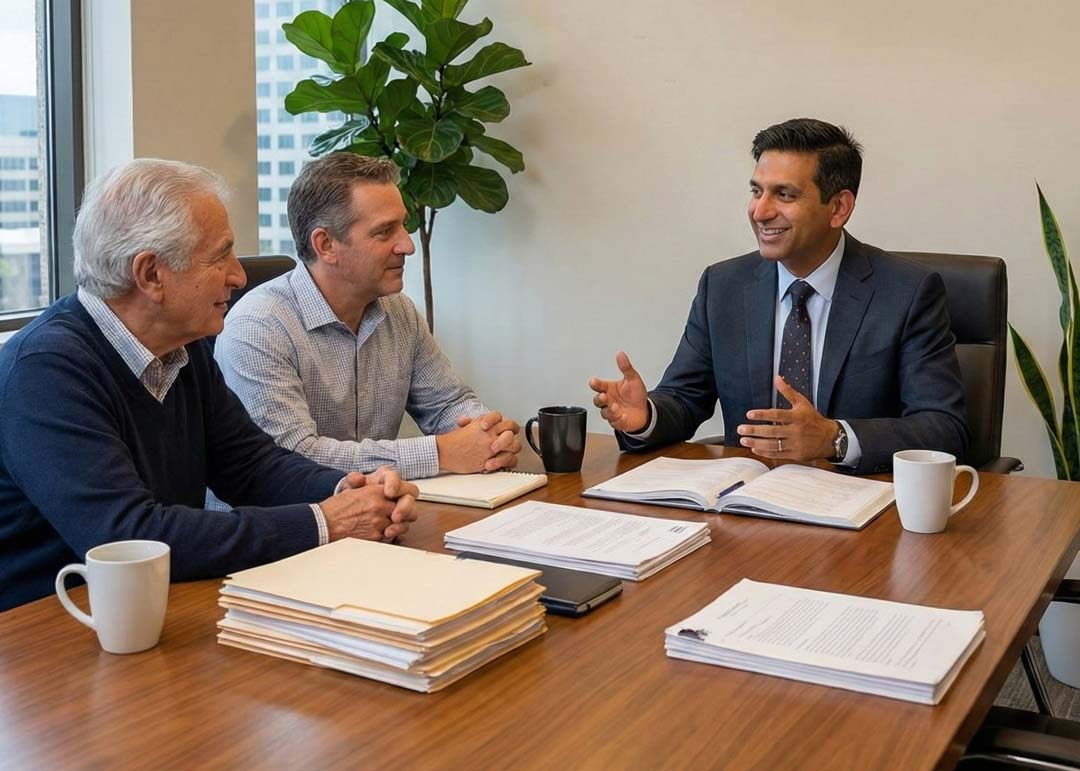

About Max Alavi, Attorney at Law
Max Alavi, Attorney at Law in Fountain Valley is recognized as a premier legal practice with a distinguished focus on Contested Will and Trust matters. Established on a foundation of integrity, diligence, and an unwavering commitment to clients, the firm has a longstanding history of resolving complex legal issues with clarity and precision. Max Alavi, Attorney at Law is guided by attorney Max Alavi’s vision for personalized, results-driven legal representation. Clients benefit from comprehensive solutions and strategic support, with the firm’s depth of experience extending beyond contested trusts and wills to include estate planning and probate litigation, all delivered with the utmost professionalism.
Located in the vibrant community of Fountain Valley, Max Alavi, Attorney at Law sets itself apart by upholding values such as trust, compassion, and transparent communication. The firm emphasizes personalized attention for every client, ensuring their unique legal needs are understood and addressed with care. With a culture rooted in honesty and a commitment to educating clients about their rights and options, Max Alavi, Attorney at Law brings a distinctive blend of expertise and empathy to the field of Contested Will and Trust law, making it a trusted ally and advocate for individuals and families navigating sensitive legal challenges.
An Interesting Fact About Contested Will and Trust in Fountain Valley
A lesser-known yet important aspect of contested wills and trusts in Fountain Valley, California, is that the state’s courts often require mediation before proceeding to trial. Mediation is a non-binding, confidential process that encourages parties to resolve disputes outside the courtroom. In California, including Fountain Valley, this approach can save significant time and legal expenses, and facilitate more amicable resolutions among heirs compared to a traditional, adversarial trial process.
Overview of Contested Will and Trust Laws in Fountain Valley
Contested will and trust matters in Fountain Valley are subject to California state law, which sets forth specific provisions governing the validity and administration of wills and trusts. According to insights from Max Alavi, Attorney at Law, local residents facing disputes over estate documents must be aware of requirements such as proper execution, testamentary capacity, and the absence of undue influence or fraud. In Fountain Valley, the probate and civil court processes play a central role, often involving an initial petition, notice to interested parties, filing objections, and a formal hearing where evidence is presented. These disputes can extend the probate process and may require mediation or even a trial, depending on the complexity and the parties involved.
- Local regulations mandate strict adherence to California Probate Code regarding the creation and contest of estate documents.
- Court processes in Fountain Valley often include mediation, case management conferences, and, when necessary, full evidentiary hearings.
- Potential outcomes include upholding the will or trust, invalidating it in whole or in part, or reaching a negotiated settlement between parties.
“Common grounds for contesting a will or trust include lack of mental capacity, undue influence, or technical defects in execution, making experienced legal guidance vital for a positive resolution.” – Insights from Max Alavi, Attorney at Law
With significant practice focused on contested will and trust matters in the Fountain Valley area, Max Alavi, Attorney at Law offers a deep understanding of both the legal and procedural aspects unique to local courts. Their approach includes a thorough review of estate planning documents, guidance on meeting filing deadlines, and advocacy during negotiations or litigation. For clients, this means access to strategic expertise concerning challenges such as potential penalties—like prolonged probate or disinheritance—and the opportunity to pursue resolutions that protect both their legal rights and interests. The firm’s familiarity with court processes and estate planning regulations ensures clients receive clear, informed guidance in what are often emotionally charged disputes.
Other Services Available
Trust Litigation |
https://www.octrustslawyer.com/trust-litigation |
Contested Will and Trust |
https://www.octrustslawyer.com/trust-will-contests/ |
Beneficiary Representation |
https://www.octrustslawyer.com/beneficiary-representation/ |
Trustee Removal |
https://www.octrustslawyer.com/trustee-removal-surcharge-actions/ |
Guidance with Contested Will and Trust Issues from Orange County Probate Attorneys at Max Alavi, Attorney at Law
If you are dealing with a contested will or trust, you deserve help from a skilled and compassionate legal team. Max Alavi, Attorney at Law offers focused representation by thoroughly evaluating every detail of your case, working hard to build a strong defense for your interests. Schedule a free 30-60 minute initial consultation to discuss your situation and explore your options. Call (949) 706-1919 today for trusted guidance every step of the way.
Fountain Valley Demographics
Fountain Valley, California, is a suburban community located in Orange County with an estimated population of approximately 57,000–58,000 residents as of the mid-2020s, according to the U.S. Census Bureau. The city exhibits a stable population, with moderate growth and a residential profile characterized by established neighborhoods and a blend of long-term and new residents. The median age in Fountain Valley is about 44 years, reflecting an older population compared to the average for Orange County and California as a whole. The age distribution includes:
- About 20% under age 18
- Approximately 24% aged 65 and over
- The majority (over 50%) are working-age adults (18–64)
The city is ethnically diverse, with significant Asian American and White populations. Over one-third of residents identify as Asian (predominantly Vietnamese), about half as White, and the remainder are Hispanic or Latino and other groups. This diversity is evident in community organizations, schools, and local businesses.
Socioeconomic indicators for Fountain Valley show a relatively high standard of living:
- Median household income: approximately $105,000–$110,000
- Per capita income: around $46,000–$48,000
- Poverty rates: lower than California and national averages
- High percentage of homeowners, though there is a smaller but stable renter population
Notable trends include steady home values, high educational attainment (with over 90% of adults holding a high school diploma or higher), and a stable employment base centered on health care, education, and professional services.
Fountain Valley Probate Court System
Fountain Valley is served by the Superior Court of California, County of Orange for all probate and trust matters. These cases are handled primarily at the:
- Costa Mesa Justice Complex
- Probate/Mental Health Division
The court has jurisdiction over a range of probate case types, including:
- Decedents’ estates (testate and intestate)
- Will contests and trust disputes
- Conservatorship and guardianship matters
- Elder financial abuse and protection for vulnerable adults
- Trust administration and modifications
Key features for legal clients include:
- Contested will and trust proceedings: The Probate Court has established procedures for handling disputes regarding the validity of wills, breaches of fiduciary duty, trust contests, and allegations of undue influence.
- Dedicated probate calendars: Specialized judges and staff manage probate matters, which helps ensure efficient and informed adjudication of complex cases.
- Online access: Parties can monitor case dockets, filings, and court date information online via the Orange County Superior Court’s public case access system.
- Local probate rules: Orange County has adopted local probate rules that supplement the California Probate Code, specifying deadlines, forms, and procedures for submissions and hearings.
Clients in Fountain Valley seeking assistance with contested wills, trust litigation, or other probate disputes will interact with these Orange County judicial resources. For especially complex or high-value estates, specialized probate counsel is strongly recommended given the nuances of both California law and local Orange County procedures.
Family Demographics in Fountain Valley
Fountain Valley features a family-oriented profile, with data showing the majority of households are families:
- Approximately 70% of households are family households
- The average household size is about 3.0 persons
- The city has a significant share of married-couple families, many with children under 18
- Single-person and nonfamily households make up a smaller but important portion of the housing landscape
Divorce rates for Fountain Valley specifically are not published separately; however, Orange County overall has a moderate divorce rate, with several thousand new divorces filed annually. Many local residents utilize the Orange County Family Law courts for dissolution, custody, and support issues.
Family-related socioeconomic indicators include:
- Median household income (family households): Above $110,000
- Per capita income: Approximately $47,000
- Relative family stability, with a lower child poverty rate than state averages
Education: Fountain Valley is served by the Fountain Valley School District and has access to the Huntington Beach Union High School District. Both school systems are recognized for high academic standards, strong extracurricular programs, and high graduation rates.
Social Programs: The city provides a range of social programs for families, seniors, children, and those in need. These include youth recreation programs, family counseling, legal aid referrals, and support for seniors. Community centers and public libraries serve as hubs for education and family engagement.
Trust Litigation
Areas We Serve
At Max Alavi, Attorney at Law, we have decades of experience in dealing with complex trust litigation matters throughout California. When you hire our legal team, you are bringing on the best and toughest litigators around to aggresively fight on your behalf.
What Our Amazing Clients Have To Say
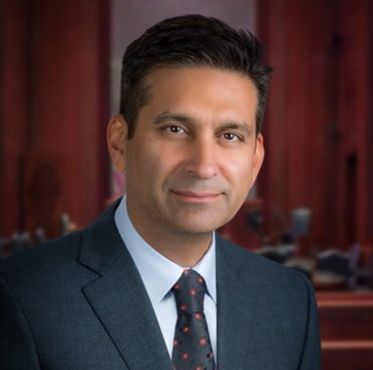


Why Clients Choose Max Alavi, APC
- Super Lawyers recognition based on peer review
- Extensive experience in California probate law
- Millions recovered in trust and probate litigation
- Strategic handling of trust and estate disputes
- Proven advocacy for surviving spouses and heirs
- Clear guidance through complex probate matters
- Outstanding dedication to every one of our clients




Let's Work Together - Tell Us Your Needs
At Max Alavi, Attorney at Law, APC, we understand the complexities of California probate law and are committed to providing solutions for trust and estate disputes. Contact us today to speak with one of our legal staff.