
Dana Point Contested Will and Trust Attorney
Top Ranked Trust & Probate Lawyers in California
5-Star Client Rating | Read Our Reviews
Contested Will and Trust Expertise in Dana Point
At Max Alavi, Attorney at Law, we bring years of focused experience in Contested Will and Trust matters to clients throughout Dana Point. Our distinguished legal team navigates the complexities of probate litigation with skill, compassion, and unwavering dedication to our clients’ interests. We understand that disputes over wills and trusts can be emotionally charged and legally intricate, so we approach every case with both sensitivity and the strategic insight necessary to achieve favorable outcomes.
- Expert guidance through complex will and trust disputes
- Personalized attention and open communication throughout your case
- Proven track record of successful resolutions in Dana Point courts
"At Max Alavi, Attorney at Law, your peace of mind and legal success are our top priorities—we stand by your side every step of the way."
Our Trust Litigation Case Process

1. Case Evaluation
We begin with a full review of the trust, will, financial records, and family history. Our legal team will identify your rights, deadlines, and the best legal path before anything is filed.

2. Court Filings
The case formally begins when a probate petition or trust lawsuit is filed in California probate court, often in Orange County Superior Court. This step sets the legal issues, brings all parties into the case.

3. Discovery and Settlement
Both sides exchange documents, take depositions, and file motions to address disputes. Many trust and probate cases resolve here through settlement discussions or court ordered mediation.

4. Trial and Resolution
If no agreement is reached, the case proceeds to trial before a probate judge. After a ruling, the court orders distributions, removals of fiduciaries, or financial recovery, and we handle enforcement or appeals if needed.
Begin Your Free Case Evaluation Now
Call to schedule a free and confidential consultation with a trust litigation lawyer.


About Max Alavi, Attorney at Law
Founded on a commitment to excellence, Max Alavi, Attorney at Law in Dana Point has earned recognition for its in-depth expertise in Contested Will and Trust matters, as well as a wide range of estate planning, probate, and trust administration cases. Established by Max Alavi, whose background is marked by decades of dedicated legal service, the firm combines proven legal acumen with an unwavering client-centered ethos. At Max Alavi, Attorney at Law, every case is approached with a blend of rigorous analysis and compassionate advocacy, ensuring that clients receive both effective representation and the respect they deserve during sensitive family and financial disputes.
Rooted in the heart of Dana Point, Max Alavi, Attorney at Law distinguishes itself through clear communication, transparency, and the highest standards of professional integrity. The firm values forging lasting client relationships, treating each individual’s situation with empathy and individualized attention. Leveraging a track record of resolving complex Contested Will and Trust cases, the team fosters trust by guiding clients through every stage of their legal challenges. Max Alavi, Attorney at Law stands apart as a steadfast legal advocate, upholding values of dignity, discretion, and unwavering dedication to achieving favorable outcomes for every client.
An Interesting Fact About Contested Will and Trust in California
In California, a lesser-known but important aspect of contested will and trust cases is the “no-contest clause.” While these clauses are intended to discourage beneficiaries from legally challenging a will or trust, California law strictly limits their enforceability. For example, under current statutes, a no-contest clause is only enforced if the contest is found by the court to be brought without probable cause, offering a layer of protection for those with legitimate concerns about the validity or administration of an estate.
Overview of Contested Will and Trust Laws in Dana Point
Contesting a will or trust in Dana Point is governed by California probate laws, which set forth specific grounds and procedures for disputing the validity of an estate plan. According to insights from Max Alavi, Attorney at Law, common reasons for contesting a will or trust include lack of capacity, undue influence, fraud, or improper execution of legal documents. Initiating a contest involves strict timelines and procedural requirements, as local regulations demand that interested parties file objections within specified periods following notice. The court process in Dana Point typically involves evidentiary hearings, formal discovery, and—if necessary—a trial before a judge, where the burden of proof lies with the party contesting the will or trust.
- The California Probate Code outlines the legitimate grounds for challenging estate documents.
- Contested cases often involve complex family dynamics or allegations of elder abuse and require substantial supporting evidence.
- Potential penalties include the invalidation of disputed documents, changes to estate distributions, or, in rare cases, court-imposed sanctions for frivolous claims.
"A successful will or trust contest in Dana Point depends on a nuanced understanding of both legal requirements and the local court's approach to evidentiary matters." — Insights from Max Alavi, Attorney at Law
With extensive experience in contested will and trust cases in Dana Point, Max Alavi, Attorney at Law provides clients with the strategic guidance needed to navigate complex probate disputes. The firm is adept at investigating claims of undue influence or lack of capacity, and skilled in assembling the documentation and witness testimony required in court. By leveraging their in-depth knowledge of local regulations and court procedures, Max Alavi, Attorney at Law develops personalized legal strategies aimed at securing favorable resolutions—be it through mediation, court rulings, or negotiated settlements. Understanding the potential risks and rewards of a contested will or trust action, the firm stands ready to protect clients' interests and uphold their loved ones' true intentions.
Guidance in Contested Will and Trust Matters from Orange County Trust Attorneys at Max Alavi, Attorney at Law
Are you facing a dispute over a will or trust? Let the experienced attorneys at Max Alavi, Attorney at Law help you protect your interests and achieve the best possible outcome. We’ll thoroughly evaluate every detail of your situation to build a robust defense for you. Contact us today for a free, 30-60 minute consultation at (949) 706-1919 and take the first step toward resolution with confidence.
Dana Point Demographics
Dana Point, located in southern Orange County, California, is a coastal city known for its scenic harbor, beaches, and residential character. As of the mid-2020s, the population of Dana Point is estimated at approximately 32,000–33,000 residents. Demographic data highlights the following characteristics:
- Age Distribution: The median age is around 47 years, reflecting a mature community with a significant portion of residents in the 45–64 and 65+ age brackets. Roughly 15% of residents are children under 18, while a sizable number are retirees or near-retirees.
- Diversity: The population is predominantly White, though there is representation from Hispanic/Latino, Asian, and other racial/ethnic groups. Foreign-born residents comprise a modest minority, supporting a generally homogenous demographic profile compared to other Orange County cities.
- Socioeconomic Indicators:
- Median household income is approximately $110,000–$120,000, higher than state and national averages.
- The city’s per capita income is strong, reflecting affluence among both working professionals and retirees.
- A relatively low poverty rate (about 6%), though the overall cost of living and housing prices are high.
- Notable Trends: Dana Point's population growth has been modest and stable over recent decades. The area attracts both established families and individuals seeking coastal retirement. The city is characterized by a high rate of homeownership and low population density relative to more urbanized Orange County areas.
Dana Point Probate Court System
Dana Point is served by the Superior Court of California, County of Orange, which oversees all probate and trust matters for city residents. The key aspects of the local probate court system include:
- Jurisdiction: All probate and contested trust matters are administered at the Orange County Superior Court, with the central courthouse for probate located at the Central Justice Center in Santa Ana.
- Types of Cases Handled:
- Probate of wills and administration of decedent estates
- Contested wills and trusts, including challenges based on undue influence, lack of capacity, or improper execution
- Trust accounting, construction, modification, and termination
- Conservatorships and guardianships
- Other matters involving fiduciaries, minor’s compromises, and disputes among beneficiaries
- Unique Features for Legal Clients:
- Dedicated Probate Division: Specialized judges and staff, with proceedings governed by the California Probate Code and Orange County local rules.
- Electronic Filing: Parties may utilize e-filing systems for submissions, which streamlines document management and access.
- Remote Appearances: Options available for certain types of hearings, particularly post-pandemic.
- Public Case Dockets: Online access to case status, court dates, and other public records allows transparency and tracking for clients and attorneys.
- Alternative Dispute Resolution: The court may encourage or require mediation or settlement conferences in heavily contested cases, including will and trust disputes.
Family Demographics in Dana Point
Family and household data for Dana Point reveal the following:
- Household Structure:
- Approximately 60% of households are family households, with the remainder consisting of single-person or non-family households.
- The average household size is about 2.3 persons—smaller than the state average—due in part to significant retiree and empty-nester demographics.
- Married-couple households form the largest segment of families; single-parent households and non-traditional family configurations are less common.
- Divorce Rates: While Dana Point-specific divorce rates are not published, Orange County sees a significant volume of divorce and separation filings annually. The area’s rate is consistent with or slightly higher than statewide averages, with many dissolution cases handled by the nearby Superior Court’s Family Law Division.
- Income:
- Median family income is above $120,000, reflecting dual-earner households and substantial retirement income.
- Per capita income exceeds $60,000, among the higher figures in Southern California coastal cities.
- Schools and Child-Focused Programs:
- Dana Point is primarily served by the Capistrano Unified School District, which features several highly rated public elementary and middle schools in and near the city.
- Students typically attend Dana Hills High School or nearby alternatives known for strong extracurricular and college preparation programs.
- Local support is offered via city and county social services, including youth counseling, community outreach, and family wellness programs. Popular recreational and enrichment activities are available through Dana Point’s Parks & Recreation programs.
Trust Litigation
Areas We Serve
At Max Alavi, Attorney at Law, we have decades of experience in dealing with complex trust litigation matters throughout California. When you hire our legal team, you are bringing on the best and toughest litigators around to aggresively fight on your behalf.
What Our Amazing Clients Have To Say
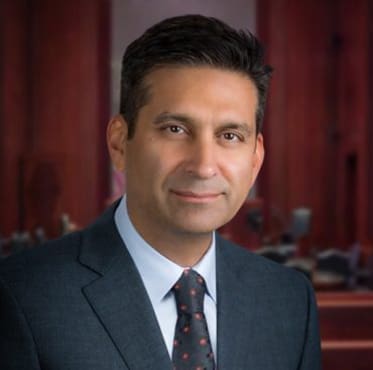


Why Clients Choose Max Alavi, APC
- Super Lawyers recognition based on peer review
- Extensive experience in California probate law
- Millions recovered in trust and probate litigation
- Strategic handling of trust and estate disputes
- Proven advocacy for surviving spouses and heirs
- Clear guidance through complex probate matters
- Outstanding dedication to every one of our clients




Let's Work Together - Tell Us Your Needs
At Max Alavi, Attorney at Law, APC, we understand the complexities of California probate law and are committed to providing solutions for trust and estate disputes. Contact us today to speak with one of our legal staff.