
Dana Point Beneficiary Representation Attorney
Top Ranked Trust & Probate Lawyers in California
5-Star Client Rating | Read Our Reviews
Beneficiary Representation in Dana Point
At Max Alavi, Attorney at Law, we are proud to be Dana Point’s trusted authority in Beneficiary Representation. Our seasoned legal team offers clients in Dana Point strategic advice and thorough advocacy, ensuring beneficiaries’ rights are aggressively protected through every step of the process. Whether navigating complex estate matters or resolving disputes, our commitment to clear communication, personalized attention, and positive results sets us apart in the Dana Point legal community.
- Decades of experience in Beneficiary Representation
- Personalized legal strategies tailored to your unique situation
- Proven track record of client-focused solutions and successful outcomes
"Dedicated advocacy for every beneficiary—because your interests matter most."
Our Trust Litigation Case Process

1. Case Evaluation
We begin with a full review of the trust, will, financial records, and family history. Our legal team will identify your rights, deadlines, and the best legal path before anything is filed.

2. Court Filings
The case formally begins when a probate petition or trust lawsuit is filed in California probate court, often in Orange County Superior Court. This step sets the legal issues, brings all parties into the case.

3. Discovery and Settlement
Both sides exchange documents, take depositions, and file motions to address disputes. Many trust and probate cases resolve here through settlement discussions or court ordered mediation.

4. Trial and Resolution
If no agreement is reached, the case proceeds to trial before a probate judge. After a ruling, the court orders distributions, removals of fiduciaries, or financial recovery, and we handle enforcement or appeals if needed.
Begin Your Free Case Evaluation Now
Call to schedule a free and confidential consultation with a trust litigation lawyer.


About Max Alavi, Attorney at Law
Max Alavi, Attorney at Law, located in Dana Point, has become a distinguished name in Southern California’s legal landscape, particularly renowned for its excellence in Beneficiary Representation. Drawing on years of experience, Max Alavi and his dedicated team serve individuals, families, and professionals with comprehensive solutions in trust and probate, estate planning, and elder law. Rooted in a history of personalized service, the firm is committed to building long-term relationships with clients—treating every case with the unique attention and tailored strategy it deserves. Their ability to balance tenacious legal advocacy with approachable counsel has made Max Alavi, Attorney at Law a trusted ally to countless clients seeking clarity and justice in complex legal matters.
The expertise at Max Alavi, Attorney at Law extends far beyond technical legal knowledge. Guided by a deep respect for transparency, integrity, and compassion, the Dana Point-based team is especially adept at defending beneficiaries’ rights and navigating the intricacies of trusts and estates. With a forward-thinking and client-centric approach, the firm’s mission is to provide peace of mind while delivering outstanding results—whether through skillful negotiation or assertive litigation. Their robust, values-driven methodology and unwavering dedication to their clients set Max Alavi, Attorney at Law apart as a pillar of accountability, confidentiality, and genuine advocacy in the heart of Dana Point.
An Interesting Fact About Beneficiary Representation in Dana Point
In California, including Dana Point, beneficiaries have the right to request a “surcharge” against trustees who mismanage trust assets or violate fiduciary duties. This means if a Dana Point trustee causes financial loss through negligence or misconduct, beneficiaries can petition the court to order the trustee to personally repay losses to the trust. This important remedy is often overlooked but ensures that beneficiaries have a legal pathway to hold trustees accountable and protect their rightful interests.
Overview of Beneficiary Representation Laws in Dana Point
Beneficiary representation in Dana Point is shaped by a range of California probate statutes and local court procedures intended to protect the interests of heirs and beneficiaries during the administration of trusts and estates. As detailed by Max Alavi, Attorney at Law, the process often involves ensuring that fiduciaries—such as executors and trustees—act in accordance with the wishes of the deceased and within the boundaries of the law. Critical local regulations prioritize transparency, timely communication, and fair distribution of assets, while also providing avenues for challenging wrongdoing or mismanagement. Dana Point courts closely supervise probate cases, and beneficiaries may initiate proceedings to demand accountings, object to trustee actions, or contest the terms of a will or trust if they believe their rights have been violated.
- California law insists on fiduciaries acting in the best interest of beneficiaries, with severe penalties for breaches of duty.
- Beneficiaries can pursue remedies ranging from mediation and negotiated settlements to formal litigation in probate court.
- Potential penalties for mismanagement include removal of the fiduciary, financial restitution, or surcharge orders.
“Max Alavi, Attorney at Law, brings deep expertise in representing beneficiaries in Dana Point, guiding clients through the entirety of the legal process and advocating for their rightful share and protections under California estate law.” Drawing on years of focused experience, the firm skillfully navigates court filings, evidentiary hearings, and settlement negotiations, ensuring beneficiaries have the robust advocacy needed to resolve disputes promptly and fairly. Their insights into local probate court procedures and familiarity with strategies for both settlement and litigation position clients to achieve favorable outcomes, even in complex or contested trust and estate matters.
Other Services Available
Trust Litigation |
https://www.octrustslawyer.com/trust-litigation |
Contested Will and Trust |
https://www.octrustslawyer.com/trust-will-contests/ |
Beneficiary Representation |
https://www.octrustslawyer.com/beneficiary-representation/ |
Trustee Removal |
https://www.octrustslawyer.com/trustee-removal-surcharge-actions/ |
Benefit from Dedicated Beneficiary Representation by Max Alavi, Attorney at Law
If you’re facing challenges as a beneficiary, our skilled team at Max Alavi, Attorney at Law is here to protect your interests and rights with diligence and dedication. We take the time to thoroughly evaluate every aspect of your case to build a solid defense tailored to your needs. Reach out today for a free 30-60 minute consultation by calling (949) 706-1919, and let our approachable attorneys guide you through every step with confidence and professionalism.
Dana Point Demographics
Dana Point is a coastal city in southern Orange County, California, with an estimated population of around 32,000 residents as of the mid-2020s. The city’s demographics reflect its popularity as both a residential and tourist destination, resulting in a stable but modest growth rate. Key features of Dana Point’s population profile include:
- Age Distribution: The median age is approximately 48 years, which is higher than the state average and demonstrates a mature population base. Significant portions of the population are in the 45–64 and 65+ age brackets, with about 15% under age 18.
- Diversity: Dana Point’s population is predominantly non-Hispanic White, accounting for a majority, while Hispanic or Latino residents make up about 15–20%. There is also representation from Asian, African American, and other groups, adding to the community’s multicultural character.
- Socioeconomic Indicators: The median household income in Dana Point is notably high, estimated between $110,000 and $120,000. The per capita income is also above the national and state averages. The city’s poverty rate is lower than state and county averages, reflecting generally strong economic circumstances.
- Trends: The city’s population trends remain stable with a persistent demand for both single-family homes and upscale condominiums, indicating a balanced mix of retirees, families, and working professionals. Property values and the cost of living remain well above U.S. averages.
Dana Point Probate Court System
Probate and trust matters for Dana Point residents are administered by the Superior Court of California, County of Orange. All probate proceedings within Dana Point are consolidated at the county level and managed through the court’s dedicated Probate/Mental Health Division. Key features of the local probate system include:
- Venue: The Costa Mesa Justice Complex is the designated location for most probate filings and hearings, accessible to Dana Point residents seeking probate or trust administration services.
- Case Types Handled:
- Decedent estate administration (with and without wills)
- Trust proceedings (modification, construction, administration, disputes)
- Appointment and oversight of guardianships and conservatorships
- Protection matters involving minors and dependent adults
- Small estate affidavits and summary proceedings
- Unique Features:
- Dedicated probate examiners and judicial officers knowledgeable in probate law
- Online access to probate dockets and filings, facilitating case tracking for legal professionals and clients
- Mandatory use of county-specific local rules and forms, in addition to the California Probate Code
Family Demographics in Dana Point
Dana Point’s household makeup and family structure reflect both coastal affluence and a blend of traditional and modern living arrangements:
- Household Composition: About 55–60% of households in Dana Point are classified as family households, with the remainder being single-person or non-family households. Many families in Dana Point are married couples, some with children, but the city also has a significant share of empty nesters and retirees.
- Average Family Size: The average family household size is around 2.9 persons, while the overall average household size is approximately 2.2–2.3 persons, reflecting a sizeable single-occupancy population.
- Divorce Rate: While city-specific divorce rates are not published, Orange County statistics reveal a moderate divorce rate, with several thousand new filings each year; Dana Point residents utilize the Orange County Family Law courts, especially the Lamoreaux Justice Center in Orange, for divorce and related matters.
- Income Levels:
- Median household income: $110,000–$120,000
- Median family income and per capita income are both above county averages, supporting a high quality of life for residents.
- Poverty rates among families are low, generally under 6%.
- Education and Schools:
- Dana Point is served by the Capistrano Unified School District, which manages several highly regarded elementary and secondary schools within city limits and nearby communities.
- High school graduation rates are above the California average, and local schools feature diverse academic and extracurricular programs.
- Social Programs: The city and school district collaborate with county agencies and non-profits to offer after-school programs, family counseling services, and specialized senior support initiatives, ensuring a network of support for local families.
Trust Litigation
Areas We Serve
At Max Alavi, Attorney at Law, we have decades of experience in dealing with complex trust litigation matters throughout California. When you hire our legal team, you are bringing on the best and toughest litigators around to aggresively fight on your behalf.
What Our Amazing Clients Have To Say
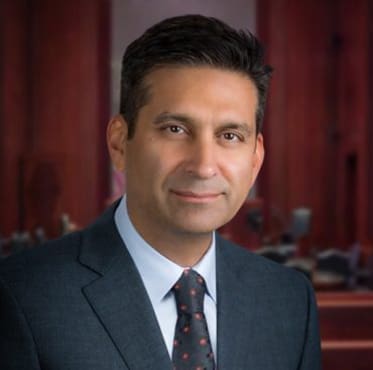


Why Clients Choose Max Alavi, APC
- Super Lawyers recognition based on peer review
- Extensive experience in California probate law
- Millions recovered in trust and probate litigation
- Strategic handling of trust and estate disputes
- Proven advocacy for surviving spouses and heirs
- Clear guidance through complex probate matters
- Outstanding dedication to every one of our clients




Let's Work Together - Tell Us Your Needs
At Max Alavi, Attorney at Law, APC, we understand the complexities of California probate law and are committed to providing solutions for trust and estate disputes. Contact us today to speak with one of our legal staff.