
Buena Park Surviving Spouse Rights Attorney
Top Ranked Trust & Probate Lawyers in California
5-Star Client Rating | Read Our Reviews
Buena Park Surviving Spouse Rights Attorneys
At Max Alavi, Attorney at Law, we are dedicated to guiding clients in Buena Park through the complex legal terrain of Surviving Spouse Rights. Our experienced legal team combines in-depth knowledge with a compassionate approach, ensuring that survivors receive the protection and advocacy they deserve.
"Your peace of mind during a difficult time is our top priority. Let our expertise in Surviving Spouse Rights provide the support you need."
- Extensive experience: Years of focused practice in Surviving Spouse Rights
- Personalized service: Every client receives careful attention and individually tailored legal solutions
- Clear communication: We break down complex legal matters so you can make confident decisions
- Reputation built on trust: Survivors in Buena Park recommend our firm for our integrity and results
Our Trust Litigation Case Process

1. Case Evaluation
We begin with a full review of the trust, will, financial records, and family history. Our legal team will identify your rights, deadlines, and the best legal path before anything is filed.

2. Court Filings
The case formally begins when a probate petition or trust lawsuit is filed in California probate court, often in Orange County Superior Court. This step sets the legal issues, brings all parties into the case.
3. Discovery and Settlement
Both sides exchange documents, take depositions, and file motions to address disputes. Many trust and probate cases resolve here through settlement discussions or court ordered mediation.
4. Trial and Resolution
If no agreement is reached, the case proceeds to trial before a probate judge. After a ruling, the court orders distributions, removals of fiduciaries, or financial recovery, and we handle enforcement or appeals if needed.
Begin Your Free Case Evaluation Now
Call to schedule a free and confidential consultation with a trust litigation lawyer.

About Max Alavi, Attorney at Law
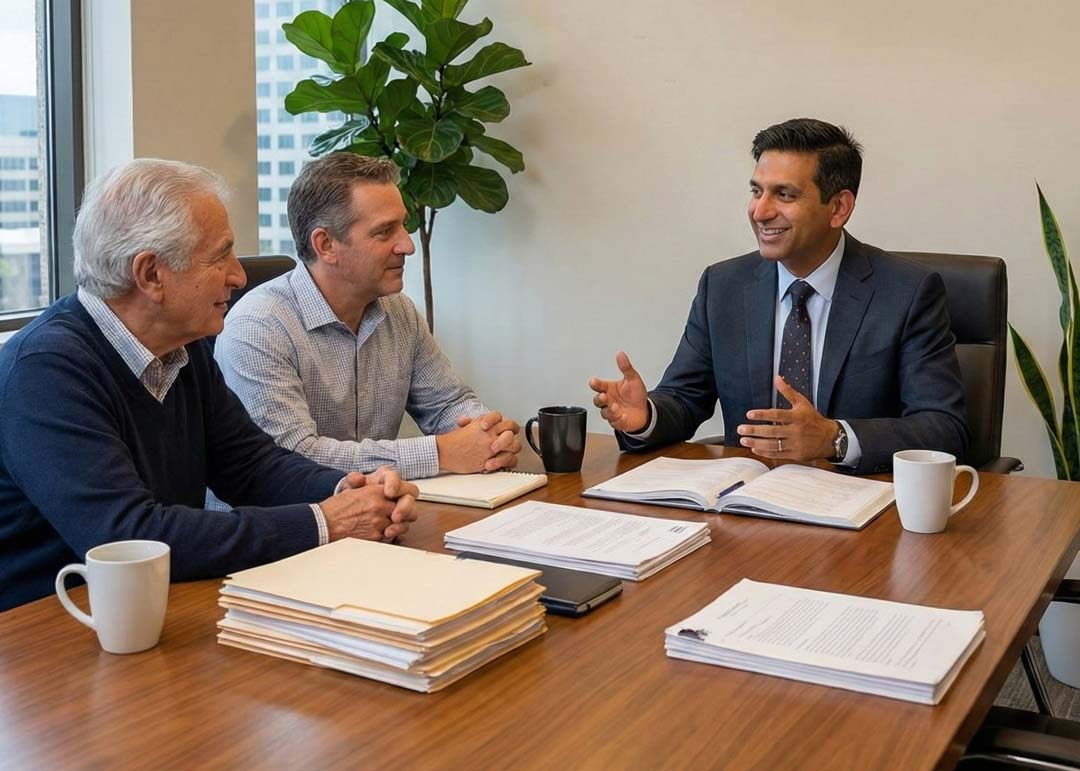
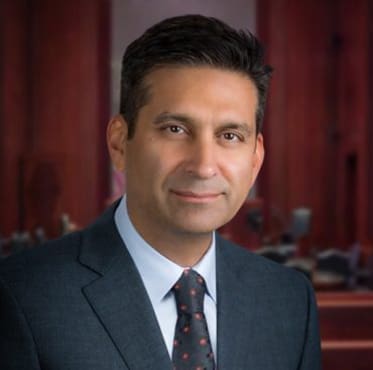
Max Alavi, Attorney at Law, based in Buena Park, is a distinguished law firm dedicated to providing clients with comprehensive representation in Surviving Spouse Rights and a broad array of trust, probate, and estate matters. At the heart of the firm is Max Alavi, an accomplished attorney known for his depth of knowledge and hands-on approach to each case. Since its inception, Max Alavi, Attorney at Law has solidified its legacy through unwavering integrity, careful guidance, and a keen understanding of the sensitive situations that often surround probate and estate law. The firm marries proven legal expertise with compassionate, effective advocacy to ensure each client's peace of mind and future security.
Located in the vibrant community of Buena Park, Max Alavi, Attorney at Law takes pride in offering attentive, personalized legal services that reflect the firm’s guiding values: transparency, accessibility, and responsiveness. Specializing in Surviving Spouse Rights, the team brings unique insight to complex family and financial dynamics, working closely with clients to uphold their rights and safeguard their legacies. Commitment to continued education and community involvement keeps Max Alavi, Attorney at Law at the forefront of legal innovation, earning the trust of individuals and families throughout the region and consistently delivering results with integrity and care.
An Interesting Fact About Surviving Spouse Rights in Buena Park
California law grants surviving spouses in Buena Park not only rights to certain community property but also special standing through the “Widow’s Election.” This rarely-discussed legal option allows a surviving spouse to choose between accepting what is left in a will or asserting their full community property rights, even if the deceased’s estate plan attempts to distribute assets differently. This unique provision can significantly alter inheritance outcomes depending on the election made.
Overview of Surviving Spouse Rights Laws in Buena Park
Surviving spouse rights in Buena Park are primarily governed by California’s probate and community property laws, which ensure that a spouse receives fair consideration in the distribution of a deceased partner’s estate. Max Alavi, Attorney at Law, brings a wealth of experience navigating these intricate legal frameworks, as detailed on their webpage. According to state law, a surviving spouse is typically entitled to at least half of the community property as well as additional protections regarding separate property and elective share claims. The local court process in Buena Park involves validating the will (if present), inventorying assets, and overseeing the fair division according to state statutes. These proceedings can become complex when pre- or post-nuptial agreements, blended families, or contested wills are factors, making expert legal guidance essential.
- Community property rules grant the surviving spouse a legal right to half the marital assets acquired during the marriage, unless otherwise specified by a valid legal agreement.
- In cases where the deceased did not leave a clear will, California intestacy laws apply, and the surviving spouse’s claim is considered first by local probate courts.
- Potential penalties for mishandling estate administration include court sanctions and personal liability for the executor or administrator.
“Each estate planning case in Buena Park is unique, and surviving spouses benefit greatly from personalized legal strategies to maximize their rights and honor the decedent’s intentions.” – Insight from Max Alavi, Attorney at Law
Clients in Buena Park can rely on Max Alavi, Attorney at Law for expert interpretation of local and state guidelines affecting surviving spouse rights. The firm’s in-depth knowledge allows them to resolve disputes, manage court filings, and pursue favorable outcomes whether through negotiated settlements or litigation. Their approach is tailored to each situation, ensuring spouses are informed of their rights and the possible resolutions available, such as mediation, property distribution, or contesting a will. By understanding how local regulations and court processes impact each case, Max Alavi, Attorney at Law effectively advocates for surviving spouses, offering clarity and peace of mind during complex estate proceedings.
Other Services Available
```html
Probate Litigation |
https://www.octrustslawyer.com/probate-litigation/ |
Trustee Defense |
https://www.octrustslawyer.com/trustee-defense/ |
Inheritance Disputes |
https://www.octrustslawyer.com/inheritance-disputes/ |
Probate And Trust Administration |
https://www.octrustslawyer.com/probate-trust-administration/ |
Conservatorship |
https://www.octrustslawyer.com/conservatorships/ |
Surviving Spouse Rights |
https://www.octrustslawyer.com/surviving-spouse-rights/ |
Protecting Your Interests: Surviving Spouse Rights Attorneys at Max Alavi, Attorney at Law
If you are navigating the complexities of Surviving Spouse Rights, you deserve expert guidance you can trust. The attorneys at Max Alavi, Attorney at Law will thoroughly evaluate every detail of your situation to build the strongest possible defense for your interests. Our approachable and professional team ensures you understand your rights and options every step of the way. Take the first step by contacting us for a free, 30-60 minute initial consultation at (949) 706-1919.
Buena Park Demographics
Buena Park, located in northwestern Orange County, California, is a vibrant city with a mid-sized population estimated at approximately 84,000–85,000 residents in the early 2020s. The city’s demographic profile reflects ongoing growth and substantial diversity, consistent with broader regional trends in southern California.
- Population Size & Age Distribution: Buena Park’s median age is approximately 36 years. The population is distributed across age groups as follows: about 24% under age 18, a significant working-age population (18–64), and around 12% aged 65 and over, indicating a multi-generational community.
- Diversity: The city is recognized for its diverse population. Hispanic or Latino residents make up the largest ethnic group (about 50%), followed by significant Asian (approximately 30%), White (about 16%), and smaller Black/African American and multiracial communities.
- Socioeconomic Indicators: Median household income is approximately $80,000–$85,000, with per capita income near $30,000–$32,000. While income tiers range widely, the poverty rate in Buena Park is estimated around 9–10%, slightly higher than neighboring cities but below some statewide urban averages. Housing costs reflect Orange County norms, contributing to cost-of-living considerations for residents.
- Trending Factors: The city’s steady growth is driven by family retention, new immigrant communities, and young professionals. Buena Park’s robust tourism and retail sectors support labor market stability, while new residential developments continue to shape the community’s future profile.
Buena Park Probate Court System
Probate, trust, and related matters for Buena Park residents fall under the jurisdiction of the Superior Court of California, County of Orange. Although there are no standalone probate courts physically located in Buena Park itself, all probate and trust proceedings are centralized at the county level:
- Court Location: Probate cases are primarily heard at the Central Justice Center in Santa Ana (700 Civic Center Drive West, Santa Ana, CA), which serves residents throughout Orange County, including Buena Park.
-
Case Types Handled:
- Decedent estate administration (with or without a will)
- Trust proceedings
- Determination of heirship and spousal rights (including petitions by surviving spouses)
- Guardianships and conservatorships
- Accountings, minor’s compromise, and protective proceedings
-
Unique Features:
- Electronic case access system for filings, dockets, and status.
- Dedicated probate examiners and probate notes published online prior to hearings.
- Local forms and rules supplement the California Probate Code.
- Self-help resources for non-represented parties, as well as mediation services where appropriate.
- Surviving Spouse Rights: Buena Park residents seeking to assert or clarify the rights of a surviving spouse (including intestate succession, spousal property petitions, omitted spouse claims, and elective share matters) must do so through the Orange County Superior Court’s probate division, using court-specific forms and adhering to local procedures.
Attorneys and clients should be aware that all filings, notices, hearings, and probate administration for Buena Park matters are managed in accordance with the Orange County Superior Court’s local rules and California statutory requirements.
Family Demographics in Buena Park
Family structure and socioeconomic data for Buena Park illustrate a community with a strong family orientation and diverse household compositions:
-
Household Types:
- About 74% of households in Buena Park are classified as family households, compared to approximately 26% non-family households (including singles and unrelated individuals).
- Average household size is 3.3 persons, above the national urban average, reflecting widespread multi-generational living arrangements and larger family units.
-
Family & Marriage Trends:
- Estimated 50%+ of adult residents are married, with a notable share of households including children under 18.
- The local divorce rate is in line with overall Orange County trends, which show thousands of new filings per year and a divorce rate somewhat above the statewide average.
-
Income:
- Median family income is estimated at $90,000, with two-income households prevalent.
- Per capita income is approximately $31,000; however, income distribution varies, with segments of both higher- and lower-income households present.
-
Education & Social Programs:
- Served by Buena Park School District (elementary and middle schools) and the Fullerton Joint Union High School District for high school students, both recognized for robust academic offerings and diverse student populations.
- Popular social support programs include after-school youth programs, family services at the Buena Park Community Center, affordable childcare, senior services, and food or housing assistance for qualifying residents.
These demographic and institutional features highlight Buena Park as a diversified, family-focused city with a broad range of legal needs—particularly in probate, trust, and family law matters relevant to families, individuals, and surviving spouses.
Trust Litigation
Areas We Serve
At Max Alavi, Attorney at Law, we have decades of experience in dealing with complex trust litigation matters throughout California. When you hire our legal team, you are bringing on the best and toughest litigators around to aggresively fight on your behalf.
What Our Amazing Clients Have To Say


Why Clients Choose Max Alavi, APC
- Super Lawyers recognition based on peer review
- Extensive experience in California probate law
- Millions recovered in trust and probate litigation
- Strategic handling of trust and estate disputes
- Proven advocacy for surviving spouses and heirs
- Clear guidance through complex probate matters
- Outstanding dedication to every one of our clients




Let's Work Together - Tell Us Your Needs
At Max Alavi, Attorney at Law, APC, we understand the complexities of California probate law and are committed to providing solutions for trust and estate disputes. Contact us today to speak with one of our legal staff.