
Buena Park Financial Elder Abuse Attorney
Top Ranked Trust & Probate Lawyers in California
5-Star Client Rating | Read Our Reviews
Financial Elder Abuse Attorneys in Buena Park
If you or a loved one are affected by financial elder abuse in Buena Park, you can trust Max Alavi, Attorney at Law to provide compassionate, expert legal guidance. With extensive experience in uncovering and prosecuting financial exploitation, the firm is committed to protecting the rights and dignity of seniors in our community. Clients choose us for our unwavering advocacy and tailored strategies designed to resolve complex financial abuse cases efficiently and sensitively.
- Decades of focused experience in financial elder abuse matters
- Dedicated to clear communication and personalized attention
- Proven record of safeguarding assets and restoring justice for elders
“We believe every elder deserves respect, protection, and an unwavering legal ally.”
Our Trust Litigation Case Process

1. Case Evaluation
We begin with a full review of the trust, will, financial records, and family history. Our legal team will identify your rights, deadlines, and the best legal path before anything is filed.

2. Court Filings
The case formally begins when a probate petition or trust lawsuit is filed in California probate court, often in Orange County Superior Court. This step sets the legal issues, brings all parties into the case.
3. Discovery and Settlement
Both sides exchange documents, take depositions, and file motions to address disputes. Many trust and probate cases resolve here through settlement discussions or court ordered mediation.
4. Trial and Resolution
If no agreement is reached, the case proceeds to trial before a probate judge. After a ruling, the court orders distributions, removals of fiduciaries, or financial recovery, and we handle enforcement or appeals if needed.
Begin Your Free Case Evaluation Now
Call to schedule a free and confidential consultation with a trust litigation lawyer.

About Max Alavi, Attorney at Law
Founded on principles of integrity, compassion, and legal acumen, Max Alavi, Attorney at Law in Buena Park has become a recognized leader in the field of Financial Elder Abuse law. With a staunch commitment to protecting the rights and financial security of seniors and their families, the firm’s legacy is rooted in years of successful advocacy and personalized client service. As detailed on their About page, the firm combines extensive experience in trust and estate law with a resolute focus on delivering results. Driven by a dedication to rigorous preparation and thorough legal analysis, Max Alavi, Attorney at Law ensures that each case receives careful attention and a tailored strategy, whether fighting financial elder abuse or navigating other complex legal matters.
Operating in the vibrant community of Buena Park, Max Alavi, Attorney at Law distinguishes itself through its client-first approach, placing strong emphasis on empathy, transparency, and honest communication. The firm’s expertise in Financial Elder Abuse is further enhanced by a holistic understanding of trust litigation and estate planning, making it a versatile ally for families and individuals facing sensitive legal challenges. At every stage, the attorneys maintain the utmost respect for client dignity and privacy, fostering an environment of trust and reliability. The unwavering mission of Max Alavi, Attorney at Law is to provide not just legal solutions, but peace of mind—ensuring clients are supported, empowered, and protected throughout their journey.
An Interesting Fact About Financial Elder Abuse in Buena Park, California
A notable but lesser-known aspect of financial elder abuse cases in Buena Park, California, is that financial institutions in the state are legally required to report suspected abuse involving elders or dependent adults. These mandatory reporting laws are part of California’s broader effort to combat elder financial exploitation, ensuring that banks and credit unions act quickly if they see suspicious transactions or patterns. This proactive approach helps protect some of the community’s most vulnerable residents from financial harm.
Overview of Financial Elder Abuse Laws in Buena Park
Financial elder abuse in Buena Park is primarily regulated under California state law, aiming to protect older adults from financial exploitation, misappropriation of assets, and undue influence. According to the expertise of Max Alavi, Attorney at Law, financial elder abuse can include unauthorized transfers of property, forging signatures, and coercing vulnerable adults into altering estate documents. Local regulations in Buena Park emphasize strict adherence to California Probate Code, which affords specific legal remedies and protections for elders who may be targets of exploitation by caretakers, relatives, or other parties. Understanding the complexities of inheritance laws and elder protections, the firm underscores the necessity of immediate legal intervention to preserve assets and potentially reverse fraudulent transactions through the courts.
- California law allows for civil litigation in elder abuse cases, empowering victims and their representatives to seek restitution and punitive damages.
- The court process in Buena Park often involves guardianship petitions, asset freezes, or conservatorship proceedings to protect the elder’s interests.
- Violators may face both civil penalties and criminal prosecution, depending on the severity of the abuse.
"Available resolutions may include recovering misappropriated assets, obtaining restraining orders, or seeking compensatory and punitive damages to deter future abuse." – Insights from Max Alavi, Attorney at Law
Drawing on years of experience in Buena Park, Max Alavi, Attorney at Law offers clients comprehensive counsel on navigating sensitive cases of financial elder abuse. The firm’s attorneys are adept at recognizing the subtle signs of undue influence and financial manipulation, leveraging local court procedures to safeguard victims and their estates. Their practical knowledge of California’s elder abuse statutes and court processes ensures clients receive effective representation, whether the resolution sought is asset recovery, guardianship establishment, or criminal action against perpetrators. By combining legal acumen with empathetic client care, Max Alavi, Attorney at Law helps families confidently address and resolve elder financial abuse claims.
Other Services Available
Financial Elder Abuse |
https://www.octrustslawyer.com/financial-elder-abuse/ |
Protecting Your Loved Ones from Financial Elder Abuse with Max Alavi, Attorney at Law
If you suspect financial elder abuse, it’s critical to take immediate action. The experienced attorneys at Max Alavi, Attorney at Law will thoroughly assess every detail of your situation, working diligently to build a strong legal defense for your loved one’s rights and assets. Contact us today at (949) 706-1919 to schedule a free 30-60 minute consultation and learn about your options in a safe, supportive environment. We are here to help you protect those who matter most.
Buena Park Demographics
Buena Park, located in northwestern Orange County, California, is a diverse and steadily growing community. As of the most recent U.S. Census estimates, the city’s population is approximately 83,000 residents. The median age is about 37 years, aligning closely with the broader county average and indicating an even mix of young adults, working-age individuals, and seniors. Buena Park’s population reflects a blend of cultural and ethnic backgrounds:
- Ethnic/Racial Diversity: The city’s demographics are composed of approximately 38% Hispanic or Latino, 33% Asian, 23% White (non-Hispanic), and smaller proportions of Black and multiracial residents.
- Age Distribution: About 22% of residents are under 18, while roughly 13% are 65 or older, illustrating both a significant youth segment and a substantial senior population.
- Socioeconomic Indicators:
- Median household income is estimated at $83,000–$86,000, consistent with suburban Orange County figures.
- Per capita income is around $31,000–$33,000.
- The poverty rate stands near 11–12%, slightly above county averages.
- Notable Trends:
- Gradual population growth and increasing racial/ethnic diversity.
- Stable housing market with a balance of owner-occupied and renter-occupied households.
- Ongoing economic and infrastructural development attracting younger families and working professionals.
Buena Park Probate Court System
Probate and trust matters, including financial elder abuse cases, for Buena Park residents are adjudicated through the Superior Court of California, County of Orange. Since Buena Park has no standalone local probate court, proceedings are centralized within the countywide system:
- Key Court: Probate/Mental Health Division of the Superior Court of California, County of Orange, located at the Costa Mesa Justice Complex.
- Primary Case Types:
- Administration of decedent estates
- Trust litigation and accountings
- Wills and intestate proceedings
- Guardianships and conservatorships
- Financial elder abuse and related fiduciary misconduct
- Unique Features:
- The court has dedicated judges and staff with experience in complex probate and elder financial exploitation matters.
- Online resources allow the public and attorneys to view case dockets, file documents, and track probate proceedings remotely.
- The Probate Examiner’s Office reviews filings for compliance before hearings, helping to streamline the adjudication process.
- Cases involving elder or dependent adult abuse, including financial abuse under California Probate Code section 850 and Welfare & Institutions Code section 15610.30, are given specific attention with additional procedural protections.
Family Demographics in Buena Park
Buena Park has a residential landscape that supports both family and non-family households, with an emphasis on family-oriented living:
- Household Composition:
- Approximately 72% of households are family households, with the remainder made up of single individuals or non-family groups.
- Average household size is about 3.3 persons, which is higher than national and county averages and indicative of multi-generational and larger family units.
- Family Size and Structure:
- Many families include children under 18, and a significant proportion feature three or more members.
- The city’s neighborhoods often support extended family living arrangements.
- Divorce Rates:
- Buena Park-specific divorce rates are not published, but Orange County overall reports a moderate divorce incidence, with several thousand dissolution filings per year.
- Income Data:
- Median family income in Buena Park is approximately $92,000–$95,000.
- Per capita income reflects a broad socioeconomic spectrum, with some households experiencing financial vulnerability, especially among seniors on fixed incomes.
- School System:
- Public schools are operated by the Buena Park School District (elementary and middle) and the Fullerton Joint Union High School District (high schools).
- Districts are recognized for diverse curricula and active community involvement, with a mix of public, private, and charter options.
- Social Programs and Services:
- The city offers a senior center and specialized elder support programs addressing wellness, financial literacy, and protection from abuse.
- Youth and family social services are supported by the Buena Park Community Services Department, including recreational programs, after-school care, and family outreach initiatives.
- Nonprofits and county agencies provide resources for seniors, low-income families, and vulnerable populations, which are especially important in guarding against financial elder exploitation.
Trust Litigation
Areas We Serve
At Max Alavi, Attorney at Law, we have decades of experience in dealing with complex trust litigation matters throughout California. When you hire our legal team, you are bringing on the best and toughest litigators around to aggresively fight on your behalf.
What Our Amazing Clients Have To Say
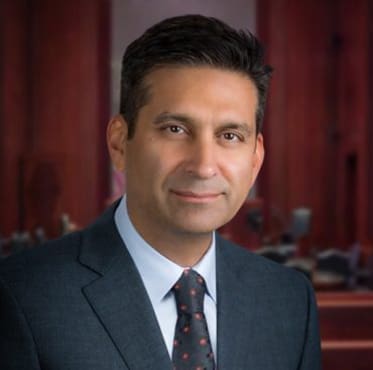


Why Clients Choose Max Alavi, APC
- Super Lawyers recognition based on peer review
- Extensive experience in California probate law
- Millions recovered in trust and probate litigation
- Strategic handling of trust and estate disputes
- Proven advocacy for surviving spouses and heirs
- Clear guidance through complex probate matters
- Outstanding dedication to every one of our clients




Let's Work Together - Tell Us Your Needs
At Max Alavi, Attorney at Law, APC, we understand the complexities of California probate law and are committed to providing solutions for trust and estate disputes. Contact us today to speak with one of our legal staff.