
Buena Park Contested Will and Trust Attorney
Top Ranked Trust & Probate Lawyers in California
5-Star Client Rating | Read Our Reviews
Contested Will and Trust Attorneys in Buena Park
At Max Alavi, Attorney at Law, we proudly serve the Buena Park community as dedicated specialists in contested will and trust cases. Our deep expertise helps families and individuals navigate complex legal challenges with compassion and precision. Clients turn to us for our unwavering commitment, clear communication, and successful track record in resolving even the most difficult estate disputes. As a trusted local firm, we offer:
- Personalized strategies tailored to your unique family dynamics
- Prompt, attentive client service throughout your case
- A proven history of favorable outcomes in Buena Park courts
"At Max Alavi, Attorney at Law, your concerns become our priority. Let us protect your legacy and provide the guidance you need during life’s most challenging times."
Choose Max Alavi, Attorney at Law in Buena Park for the knowledgeable and caring advocacy you deserve in contested will and trust matters.
Our Trust Litigation Case Process

1. Case Evaluation
We begin with a full review of the trust, will, financial records, and family history. Our legal team will identify your rights, deadlines, and the best legal path before anything is filed.

2. Court Filings
The case formally begins when a probate petition or trust lawsuit is filed in California probate court, often in Orange County Superior Court. This step sets the legal issues, brings all parties into the case.
3. Discovery and Settlement
Both sides exchange documents, take depositions, and file motions to address disputes. Many trust and probate cases resolve here through settlement discussions or court ordered mediation.
4. Trial and Resolution
If no agreement is reached, the case proceeds to trial before a probate judge. After a ruling, the court orders distributions, removals of fiduciaries, or financial recovery, and we handle enforcement or appeals if needed.
Begin Your Free Case Evaluation Now
Call to schedule a free and confidential consultation with a trust litigation lawyer.

About Max Alavi, Attorney at Law
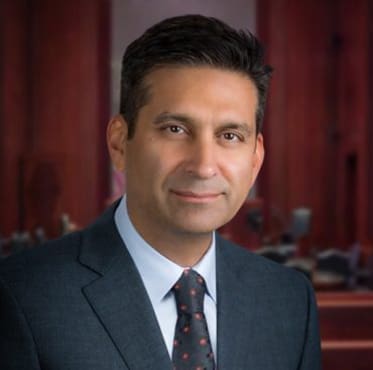
Max Alavi, Attorney at Law in Buena Park stands as a pillar of excellence, specializing in Contested Will and Trust matters as well as a wider spectrum of estate litigation and probate law. Since its inception, the firm has been guided by Max Alavi’s vision of providing compassionate, experienced, and highly effective representation to individuals and families facing complex legal challenges. Drawing from years of hands-on involvement and a commitment to creative problem-solving, Max Alavi, Attorney at Law has garnered respect not only for its results but for its ethical standards and client-centric approach.
Rooted in the diverse community of Buena Park, Max Alavi, Attorney at Law operates with a clear sense of trustworthiness, recognizing that each case—whether related to Contested Will and Trust disputes or general estate issues—requires both meticulous attention and sensitivity. The firm uniquely combines deep legal insight with a welcoming, team-based model that ensures clients always have access to clear guidance and steadfast advocacy. From initial consultation to resolution, Max Alavi, Attorney at Law maintains a steadfast dedication to integrity, transparency, and personalized service, helping clients navigate even the most difficult legal circumstances with confidence and clarity.
An Interesting Fact About Contested Will and Trust in Buena Park
A lesser-known but important detail about contested will and trust cases in Buena Park, California, is that the state’s “no-contest” clause can sometimes be enforced—but only under specific circumstances defined by California Probate Code. Even if a will or trust includes such a clause intended to discourage legal challenges, courts in California may still permit beneficiaries to contest the document when there is probable cause, such as allegations of undue influence or fraud, offering greater protection for legitimate concerns.
Overview of Contested Will and Trust Laws in Buena Park
Contested will and trust matters in Buena Park are governed primarily by California's robust probate and trust codes, which set forth the requirements for valid estate planning instruments and the legal procedures for challenging them. According to information provided by Max Alavi, Attorney at Law, common grounds for contesting a will or trust include undue influence, lack of capacity, fraud, or improper execution. The local legal process for disputes often involves filing a formal petition in the Orange County Superior Court, where the court will examine the validity of the document, assess the evidence presented by both sides, and determine its enforceability. These proceedings can be complex, with strict filing deadlines and evidentiary requirements that can significantly affect the outcome of your case.
- Legal contests must demonstrate sufficient evidence of wrongdoing or procedural flaws in the formation of the will or trust.
- The court may require mediation or alternative dispute resolution before proceeding to trial.
- Potential penalties can include the invalidation of the contested document, changes to beneficiary distributions, and possible fee shifting to the losing party.
“Our in-depth knowledge of Buena Park’s probate courts allows us to guide clients through every stage of a dispute, from the initial petition to trial or settlement.” – Insights from Max Alavi, Attorney at Law
With significant experience handling estate litigation in Buena Park, Max Alavi, Attorney at Law provides clients with valuable guidance through each phase of a contested will or trust case. Their team meticulously reviews the legality of estate planning documents, identifies procedural errors, and consults with expert witnesses as needed. Leveraging their familiarity with local regulations and court expectations, they work to negotiate settlements or, when necessary, advocate vigorously in court for their clients’ interests. Whether your case involves an alleged breach of fiduciary duty, questionable document amendments, or suspected fraud, this firm’s nuanced approach helps maximize your chances of a favorable resolution in the complex probate environment of Buena Park.
Other Services Available
Trust Litigation |
https://www.octrustslawyer.com/trust-litigation |
Contested Will and Trust |
https://www.octrustslawyer.com/trust-will-contests/ |
Beneficiary Representation |
https://www.octrustslawyer.com/beneficiary-representation/ |
Trustee Removal |
https://www.octrustslawyer.com/trustee-removal-surcharge-actions/ |
Trusted Guidance for Contested Will and Trust Cases at Max Alavi, Attorney at Law
If you are facing a contested will or trust matter, you don’t have to navigate complex legal challenges alone—contact Max Alavi, Attorney at Law. Our experienced attorneys will thoroughly evaluate every detail of your case to build a strong defense and protect your interests. We offer a free, 30-60 minute initial consultation to review your situation and discuss your options. For professional, compassionate support, call us today at (949) 706-1919.
Buena Park Demographics
Buena Park, California is a suburban city located in northwestern Orange County. According to the U.S. Census Bureau, the estimated population of Buena Park in the mid-2020s is approximately 84,000 residents. The city has experienced steady growth over the past decade, attributed to ongoing residential development and its proximity to employment centers in the greater Los Angeles area.
- Population Size: Approximately 84,000 residents
- Age Distribution: Median age is around 37 years; there is a balanced spread among children, working-age adults, and an increasing segment of residents over age 65
- Ethnic Diversity: Buena Park is highly diverse:
- Hispanic or Latino: ~42%
- Asian: ~31%
- White (Non-Hispanic): ~20%
- African American, Pacific Islander, and other groups: smaller percentages
- Socioeconomic Indicators:
- Median household income: Approximately $80,000–$85,000, slightly below the Orange County average
- Per capita income: Roughly $31,000–$33,000
- Poverty rate: Around 10%–12%, slightly above the county median
- Cost of living: High compared to national figures, but lower than some Orange County cities
- Trends: The city continues to attract young families and first-time homeowners; population aging and increasing cultural diversification are notable
Buena Park Probate Court System
Probate and contested trust matters for Buena Park are handled through the Superior Court of California, County of Orange. Buena Park itself does not have a local municipal court; instead, all probate filings are managed at the county level. Probates are primarily processed at the Central Justice Center in Santa Ana, which houses the Probate/Mental Health Division.
- Key Courts:
- Orange County Superior Court – Probate/Mental Health Division (Central Justice Center, Santa Ana)
- Case Types Handled:
- Decedent estate administration (testate and intestate)
- Contested will and trust proceedings
- Trust litigation and modification
- Conservatorships and guardianships
- Elder/dependent adult abuse petitions
- Minor’s compromise
- Unique Features for Legal Clients:
- Dedicated probate and trust calendar, including hearings for contested will and trust cases
- Electronic case access and filing (eFiling) system
- Mandatory settlement conferences for certain contested matters
- Availability of probate notes and hearing schedules online
- Local rules supplementing the California Probate Code, which govern deadlines, filings, and notification requirements
- Alternate Dispute Resolution (ADR) options encouraged for trust and will disputes
- Accessibility to interpreters and self-help resources for diverse populations
- Geographic Scope: All residents of Buena Park, as well as other north Orange County cities, are served by this centralized system
For individuals or families facing disputed wills or trust litigation in Buena Park, it is important to understand that proceedings occur within this county-wide probate framework, with established protocols designed to ensure due process and timely resolution of contested matters.
Family Demographics in Buena Park
Family demographics in Buena Park reflect its diverse, moderately sized suburban setting, with a combination of family and single households. Key indicators drawn from the latest available census and state statistics include:
- Household Type:
- Total households: Approx. 24,000
- Family households: Around 70% of total
- Non-family households: About 30%, with a mix of individuals and unrelated cohabitants
- Family Size:
- Average household size: 3.4 persons
- Average family size: 3.7 persons, indicating larger families compared to national averages
- Divorce Rate:
- Divorce rates in Orange County are in line with the California average; estimates suggest that roughly 8–9% of adults in Buena Park are divorced or separated
- The local court system processes several hundred divorce filings per year in the broader north Orange County region
- Income:
- Median family income: Generally higher than overall median household income, estimated at $85,000–$90,000
- Per capita income: Approximately $31,000–$33,000
- Income diversity: Presence of both middle-income and lower-income families, as well as a smaller proportion of higher-earning households
- Education & School System:
- Primary district: Buena Park School District (elementary and middle schools)
- Secondary schools: Fullerton Joint Union High School District
- Numerous public and private schools in and near the city, with robust programs in arts, STEM, and college preparation
- Social Programs:
- Local community centers offering after-school programs, youth sports, and senior services
- Family resource centers addressing health, food security, and counseling
- Accessible city recreation programs, including wellness, childcare, and educational support
Buena Park's family demographic profile underscores a diverse, multigenerational community with strong family orientation. Its school systems and social programs are geared toward supporting families from varied cultural and economic backgrounds, making it a city attentive to residents' legal and practical needs.
Trust Litigation
Areas We Serve
At Max Alavi, Attorney at Law, we have decades of experience in dealing with complex trust litigation matters throughout California. When you hire our legal team, you are bringing on the best and toughest litigators around to aggresively fight on your behalf.
What Our Amazing Clients Have To Say


Why Clients Choose Max Alavi, APC
- Super Lawyers recognition based on peer review
- Extensive experience in California probate law
- Millions recovered in trust and probate litigation
- Strategic handling of trust and estate disputes
- Proven advocacy for surviving spouses and heirs
- Clear guidance through complex probate matters
- Outstanding dedication to every one of our clients




Let's Work Together - Tell Us Your Needs
At Max Alavi, Attorney at Law, APC, we understand the complexities of California probate law and are committed to providing solutions for trust and estate disputes. Contact us today to speak with one of our legal staff.