
Buena Park Conservatorship Attorney
Top Ranked Trust & Probate Lawyers in California
5-Star Client Rating | Read Our Reviews
Buena Park Conservatorship Attorney Services
At Max Alavi, Attorney at Law, we proudly serve the Buena Park community with premier conservatorship legal services designed to protect your family and loved ones. With deep expertise in conservatorship law, our firm stands out by blending legal excellence with a compassionate, client-focused approach. Whether you are seeking to establish a conservatorship or need guidance navigating complex probate matters, our team is committed to providing clear advice, personalized strategies, and unwavering support at every stage.
“Your peace of mind is our priority—let us help safeguard the well-being of those who matter most.”
- Decades of experience in conservatorship matters
- Thorough, step-by-step guidance tailored to Buena Park families
- Responsive communication and unwavering advocacy for every client
Let Max Alavi, Attorney at Law be your trusted partner for conservatorship needs in Buena Park. We are dedicated to achieving the best outcomes for you and your loved ones, ensuring their rights and wishes are protected with integrity and care.
Our Trust Litigation Case Process

1. Case Evaluation
We begin with a full review of the trust, will, financial records, and family history. Our legal team will identify your rights, deadlines, and the best legal path before anything is filed.

2. Court Filings
The case formally begins when a probate petition or trust lawsuit is filed in California probate court, often in Orange County Superior Court. This step sets the legal issues, brings all parties into the case.
3. Discovery and Settlement
Both sides exchange documents, take depositions, and file motions to address disputes. Many trust and probate cases resolve here through settlement discussions or court ordered mediation.
4. Trial and Resolution
If no agreement is reached, the case proceeds to trial before a probate judge. After a ruling, the court orders distributions, removals of fiduciaries, or financial recovery, and we handle enforcement or appeals if needed.
Begin Your Free Case Evaluation Now
Call to schedule a free and confidential consultation with a trust litigation lawyer.

About Max Alavi, Attorney at Law
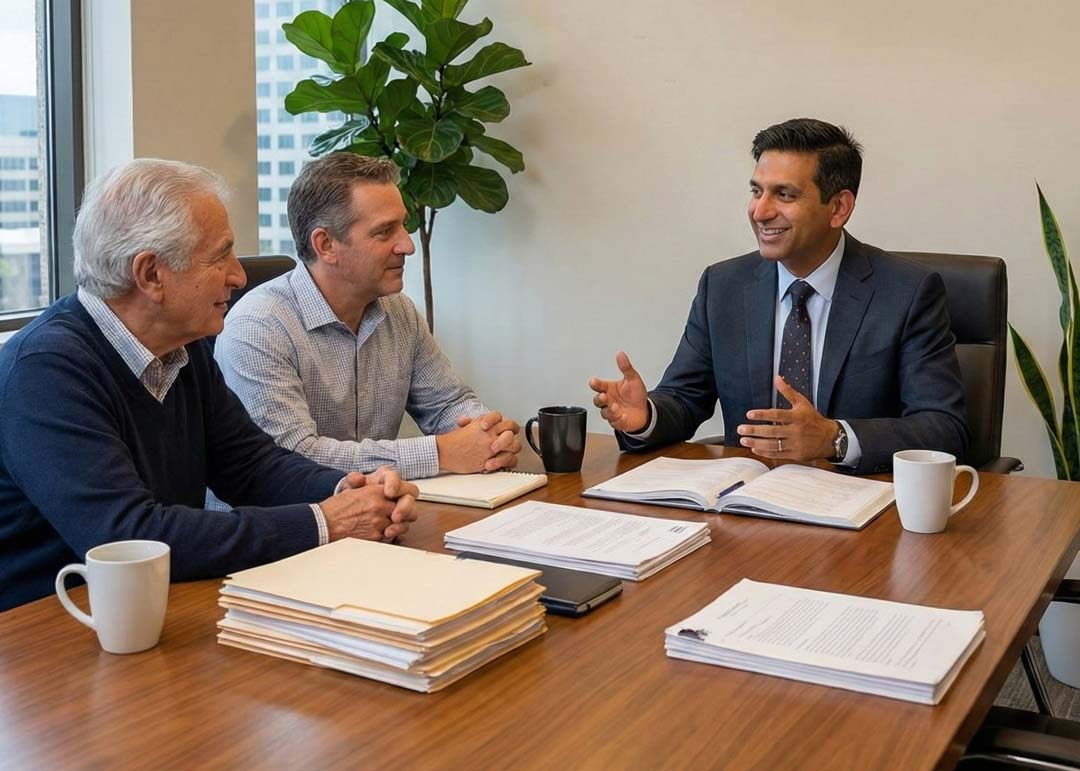
Max Alavi, Attorney at Law in Buena Park has been a cornerstone of trusted legal counsel, with roots tracing back to a passionate commitment to serving clients in diverse areas of law, especially Conservatorship. The firm’s history is defined by a foundation built on integrity, transparency, and a mission to protect clients’ interests. At Max Alavi, Attorney at Law, clients benefit from a wealth of experience and knowledge, allowing the firm to handle complex estate issues, probate, and general civil matters alongside their specialization in Conservatorship. This well-rounded expertise ensures that each client's unique needs are addressed with diligence and precision.
Located in the vibrant city of Buena Park, Max Alavi, Attorney at Law prides itself on a deeply personal approach, valuing each client relationship and fostering a culture of accessibility and respect. The firm’s values—rooted in community-focused service, ethical standards, and plain-spoken guidance—shine through in every case. Unique to Max Alavi, Attorney at Law is their blend of big-firm capabilities and small-firm attention, delivering high-caliber representation in Conservatorship cases with genuine care and attentiveness. Their enduring commitment to clarity, compassion, and results has made them a pivotal presence in the local legal community.
An Interesting Fact About Conservatorship in Buena Park, California
A lesser-known fact about conservatorship in Buena Park, California, is that the state offers a special category called a “Limited Conservatorship” specifically for adults with developmental disabilities. Unlike general conservatorships, limited conservatorships tailor the court’s oversight only to areas where the adult truly needs assistance, such as medical care or financial decisions. This ensures individuals maintain as much independence and personal autonomy as possible while being protected under California law.
Overview of Conservatorship Laws in Buena Park
Conservatorship proceedings in Buena Park are governed by California law, which outlines clear procedures for appointing a responsible individual to manage the personal or financial affairs of someone unable to do so themselves. According to information provided by Max Alavi, Attorney at Law, conservatorships are commonly sought when an elderly relative, adult child, or vulnerable adult requires ongoing management of their estate or well-being due to incapacity. In Buena Park, the court process for establishing a conservatorship involves several critical steps, including the filing of a petition, notification of interested parties, court investigation, and a judge’s review to ensure that a conservatorship is truly necessary and in the best interest of the person involved. Local regulations require strict adherence to procedural safeguards to protect the proposed conservatee’s rights and ensure their needs are appropriately met.
- Conservatorships can involve oversight of both personal care (Conservatorship of the Person) and financial matters (Conservatorship of the Estate).
- Annual reporting and court reviews are mandatory to prevent abuse or neglect and monitor ongoing suitability.
- Improper handling by a conservator can lead to court sanctions or removal, reflecting the seriousness of fiduciary responsibilities in Buena Park.
“Potential resolutions in conservatorship cases include negotiated settlements among family members, the appointment of professional fiduciaries, or alternative estate planning tools that can avoid court intervention.” – Insights from Max Alavi, Attorney at Law
With significant expertise in Buena Park conservatorship matters, Max Alavi, Attorney at Law offers valuable guidance through every stage of the process. The firm’s experience includes helping clients navigate complex local court requirements, gathering necessary documentation, and advocating for the protection of vulnerable individuals. Their insights ensure clients are fully informed about potential outcomes—whether pursuing a traditional court conservatorship or leveraging proactive estate planning measures as alternatives. With a deep understanding of how local regulations and court practices affect each case, Max Alavi, Attorney at Law, provides both strategic representation and compassionate support, focused on achieving the most effective and practical resolution for clients and their families.
Other Services Available
Probate Litigation |
https://www.octrustslawyer.com/probate-litigation/ |
Trustee Defense |
https://www.octrustslawyer.com/trustee-defense/ |
Inheritance Disputes |
https://www.octrustslawyer.com/inheritance-disputes/ |
Probate And Trust Administration |
https://www.octrustslawyer.com/probate-trust-administration/ |
Conservatorship |
https://www.octrustslawyer.com/conservatorships/ |
Surviving Spouse Rights |
https://www.octrustslawyer.com/surviving-spouse-rights/ |
Guidance on Conservatorship from an Orange County Conservatorship Attorney at Max Alavi, Attorney at Law
If you need help establishing or contesting a conservatorship, the attorneys at Max Alavi, Attorney at Law are here to support you with clear, compassionate guidance. We offer a free, no-obligation consultation (30-60 minutes) to review your unique situation, answer your questions, and explain your legal options. Our team will thoroughly evaluate every detail, ensuring we build the strongest possible case for your loved one's protection. Contact us today to get started—call (949) 706-1919 to arrange your complimentary consultation.
Buena Park Demographics
Buena Park, located in northwestern Orange County, California, is a vibrant city with a steadily growing population. As of the latest U.S. Census Bureau estimates, Buena Park is home to approximately 83,000 residents. The city’s population reflects a balanced age distribution, with a median age around 36 years. Key demographic features include:
- Age Distribution: Roughly 23% of residents are under the age of 18, while about 14% are age 65 or older. The working-age population (18–64) makes up the majority, supporting the city’s active workforce and family-oriented community.
- Diversity: Buena Park is a multicultural community. The racial and ethnic composition includes significant Asian (approximately 32%), Hispanic or Latino (about 39%), White (non-Hispanic, roughly 20%), African American, and smaller percentages of other groups. The city’s diversity is reflected in schools, local businesses, and community activities.
- Socioeconomic Indicators:
- Median Household Income: Approximately $80,000–$85,000, in line with state averages but below some neighboring Orange County cities.
- Per Capita Income: Estimated at around $28,000–$29,000.
- Poverty Rate: About 10%, which is on par with national averages but lower than some regional counterparts.
- Trends: Ongoing residential development and economic diversification are shaping local demographics, with new families and professionals moving into the area.
Buena Park Probate Court System
Probate and trust matters for Buena Park residents are managed under the jurisdiction of the Superior Court of California, County of Orange. The main facilities handling probate cases—including conservatorships, decedents’ estates, guardianships, wills, and trust administration—are located at the Central Justice Center in Santa Ana. Primary features of the probate court system relevant to Buena Park include:
- Key Court: Superior Court of California, County of Orange – Probate Division (Central Justice Center, Santa Ana)
- Case Types Handled:
- Conservatorships (of the person and estate for adults unable to care for themselves or manage their finances)
- Probate of wills and estate administration
- Trust litigation and management
- Guardianship of minors
- Other fiduciary matters
- Unique Features:
- Buena Park matters follow California Probate Code and Local Court Rules of Orange County.
- The court offers resources specific to conservatorships, including forms, checklists, and dedicated hearing calendars for temporary and permanent conservatorship petitions.
- Online systems are available for case filings, status checks, and records access.
- Legal clinics and self-help centers provide information for those navigating probate and conservatorship matters without legal representation.
For family law issues (such as divorce, custody, and support), Buena Park residents are served by the Family Law Division of the Superior Court at the Lamoreaux Justice Center in Orange. Probate and family law matters are handled separately but may have related proceedings, especially when addressing the welfare of minors or incapacitated adults.
Family Demographics in Buena Park
Buena Park exhibits a strong family presence alongside an active single-resident population. According to recent census data:
- Household Composition:
- Family Households: About 74%, highlighting the city’s family-centric character.
- Non-Family Households: Approximately 26%, including singles, shared rentals, and seniors living alone.
- Average Family Size: Around 3.6 persons per household, higher than the national average, reflecting the multigenerational and diverse nature of local families.
- Divorce Rates: Orange County maintains steady divorce and separation rates, with thousands of cases filed annually. While city-specific divorce rates are not published, filings by Buena Park residents represent a typical cross-section of countywide trends.
- Family and Per Capita Income:
- Median family income is estimated at $85,000–$90,000, aligned with the Orange County regional average.
- Per capita income, as noted above, is close to $28,000–$29,000.
- School Systems:
- Public education is provided by the Buena Park School District (elementary/middle) and the Fullerton Joint Union High School District (high school).
- Educational outcomes are generally positive, with several schools recognized for academic achievement. Diverse language and special education programs are available.
- Popular Social Programs:
- After-school programs, city-sponsored youth and recreation centers, and family support initiatives operate throughout Buena Park.
- Access to senior services, nutrition assistance, and community outreach is facilitated by partnerships with Orange County agencies.
Buena Park’s family demographics are defined by a blend of traditional family units, multicultural households, and a focus on community engagement, which is supported by strong local institutions and programs for all age groups.
Trust Litigation
Areas We Serve
At Max Alavi, Attorney at Law, we have decades of experience in dealing with complex trust litigation matters throughout California. When you hire our legal team, you are bringing on the best and toughest litigators around to aggresively fight on your behalf.
What Our Amazing Clients Have To Say
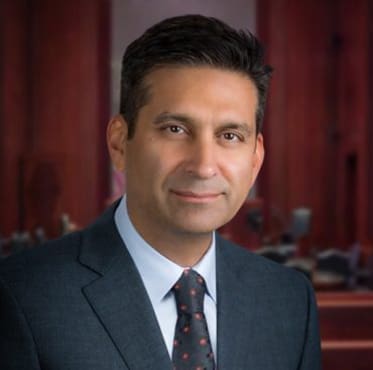


Why Clients Choose Max Alavi, APC
- Super Lawyers recognition based on peer review
- Extensive experience in California probate law
- Millions recovered in trust and probate litigation
- Strategic handling of trust and estate disputes
- Proven advocacy for surviving spouses and heirs
- Clear guidance through complex probate matters
- Outstanding dedication to every one of our clients




Let's Work Together - Tell Us Your Needs
At Max Alavi, Attorney at Law, APC, we understand the complexities of California probate law and are committed to providing solutions for trust and estate disputes. Contact us today to speak with one of our legal staff.