
Beverly Hills Surviving Spouse Rights Attorney
Top Ranked Trust & Probate Lawyers in California
5-Star Client Rating | Read Our Reviews
Surviving Spouse Rights Attorney in Beverly Hills
At Max Alavi, Attorney at Law, we are dedicated to protecting Surviving Spouse Rights for individuals and families throughout Beverly Hills. With years of focused experience in estate and probate law, our firm combines deep legal knowledge with a personalized approach, ensuring every client receives clear, compassionate counsel tailored to their unique situation. Whether you are navigating complex asset distribution, need to safeguard your rights as a surviving spouse, or require guidance on estate disputes, Max Alavi, Attorney at Law stands out for attention to detail and unwavering support.
Your peace of mind and financial security are our top priorities—let us handle the legal complexities while you focus on your future.
- Decades of specialized experience in Surviving Spouse Rights
- Located in the heart of Beverly Hills for your convenience
- Transparent communication and compassionate guidance
- Proven success even in high-value or contested cases
Count on Max Alavi, Attorney at Law for comprehensive support and exceptional advocacy—ensuring your rights are protected with integrity and professionalism in Beverly Hills.
Our Trust Litigation Case Process

1. Case Evaluation
We begin with a full review of the trust, will, financial records, and family history. Our legal team will identify your rights, deadlines, and the best legal path before anything is filed.

2. Court Filings
The case formally begins when a probate petition or trust lawsuit is filed in California probate court, often in Orange County Superior Court. This step sets the legal issues, brings all parties into the case.

3. Discovery and Settlement
Both sides exchange documents, take depositions, and file motions to address disputes. Many trust and probate cases resolve here through settlement discussions or court ordered mediation.

4. Trial and Resolution
If no agreement is reached, the case proceeds to trial before a probate judge. After a ruling, the court orders distributions, removals of fiduciaries, or financial recovery, and we handle enforcement or appeals if needed.
Begin Your Free Case Evaluation Now
Call to schedule a free and confidential consultation with a trust litigation lawyer.
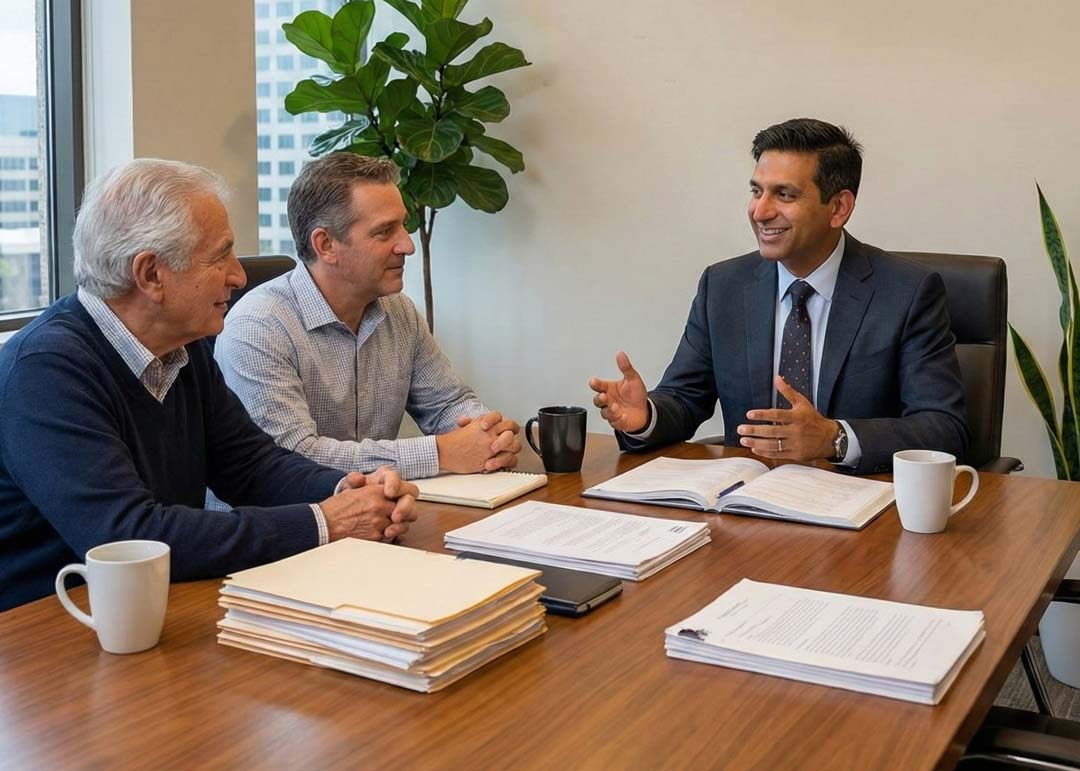

About Max Alavi, Attorney at Law
Max Alavi, Attorney at Law proudly serves the Beverly Hills community with comprehensive legal services, notably specializing in Surviving Spouse Rights but also offering support across all facets of trust and probate law. Carrying forward a legacy built on years of experience, the firm is renowned for its unwavering dedication to client needs and its tradition of personalized legal counsel. Founded by Max Alavi, whose decades of practice are rooted in professionalism and a client-first philosophy, Max Alavi, Attorney at Law combines the expertise of an accomplished legal team with a modern approach to resolving complex estate and trust matters.
Located in the heart of Beverly Hills, the firm upholds values of integrity, accessibility, and transparency—core traits that distinguish Max Alavi, Attorney at Law in the legal field. Every client benefits from direct attorney involvement and attentive case management, reflecting the firm’s commitment to exceeding expectations and preserving the dignity and rights of each individual they represent. Whether guiding families through sensitive Surviving Spouse Rights issues or offering innovative solutions in trust administration, the team at Max Alavi, Attorney at Law is devoted to supporting clients at every step, fostering peace of mind and long-term security.
An Interesting Fact About Surviving Spouse Rights in Beverly Hills
In California, surviving spouse rights—particularly in Beverly Hills—extend beyond community property. A lesser-known aspect is the “omitted spouse” rule, where California law protects a surviving spouse who was unintentionally left out of a will executed before marriage. Unless the will specifically references the spouse or there was an intentional omission, the surviving spouse is entitled to a share of the deceased’s estate, ensuring financial protection even in affluent communities like Beverly Hills.
Overview of Surviving Spouse Rights Laws in Beverly Hills
Surviving spouse rights in Beverly Hills are influenced by a blend of California state statutes and local legal practices, all aimed at ensuring fair treatment and protection for spouses after the passing of their partner. According to the insights shared by Max Alavi, Attorney at Law, California's community property laws play a central role—designating that, in most cases, assets acquired during the marriage are jointly owned and must be equitably distributed. This has significant ramifications for estate administration, potential will contests, and trust disputes. The legal process can require validation of wills, notifications to potential heirs, and sometimes, probate court proceedings if effective estate planning tools such as living trusts are not in place.
- Community property statutes grant surviving spouses rights to half of marital assets unless overridden by a valid prenuptial agreement or estate plan.
- Spouses may exercise rights to challenge a will or contest trust terms if they believe their interests are unjustly overlooked.
- Beverly Hills courts may order spousal allowances or residency rights in the marital home during the estate settlement process.
"Comprehensive estate planning not only secures assets, but also prevents uncertainty and conflict among surviving family members.” – Guidance from Max Alavi, Attorney at Law
The knowledgeable team at Max Alavi, Attorney at Law provides personalized guidance through each stage of asserting and protecting surviving spouse rights in Beverly Hills. Their expertise encompasses local court processes—from filing initial probate actions to negotiating resolutions or defending spousal claims in contentious matters. Recognizing that each case is unique, they offer strategic counsel on how best to invoke community property laws, secure allowances, and seek alternative dispute resolutions where appropriate. Potential penalties for missteps may include delays in receiving assets or diminished entitlements, but with guidance from experienced counsel, surviving spouses can maximize their protections and achieve fair outcomes within the scope of California law and the Beverly Hills legal environment.
Other Services Available
Probate Litigation |
https://www.octrustslawyer.com/probate-litigation/ |
Trustee Defense |
https://www.octrustslawyer.com/trustee-defense/ |
Inheritance Disputes |
https://www.octrustslawyer.com/inheritance-disputes/ |
Probate And Trust Administration |
https://www.octrustslawyer.com/probate-trust-administration/ |
Conservatorship |
https://www.octrustslawyer.com/conservatorships/ |
Surviving Spouse Rights |
https://www.octrustslawyer.com/surviving-spouse-rights/ |
Compassionate Guidance on Surviving Spouse Rights with Max Alavi, Attorney at Law
Are you concerned about your rights as a surviving spouse? Max Alavi, Attorney at Law is here to protect your interests and help you navigate complex legal matters with confidence. Our attorneys will thoroughly evaluate every detail of your case to build a strong defense on your behalf. Schedule your free 30-60 minute consultation today by calling (949) 706-1919, and get the clear, professional support you deserve.
Beverly Hills Demographics
Beverly Hills, California, is an internationally recognized city located in Los Angeles County. As of the mid-2020s, Beverly Hills is home to an estimated population of approximately 31,000–32,000 residents. The city’s population exhibits a mature age profile, with a median age above both county and state averages, often cited between 43–46 years. Key demographic characteristics include:
- Age Distribution: A significant proportion of residents are aged 45 and over, with comparatively fewer children and young adults than surrounding areas.
- Diversity: Beverly Hills is characterized by a diverse community, with substantial White (non-Hispanic), Persian-Jewish, and smaller Asian, African American, and Hispanic or Latino populations, reflecting both domestic and international residents.
- Socioeconomic Indicators: Median household incomes routinely exceed $120,000–$150,000, while per capita income is likewise high, reflecting affluent professional, managerial, and entrepreneurial populations. The poverty rate in Beverly Hills remains significantly below state and national averages.
- Housing: The city is largely composed of owner-occupied, single-family residences interspersed with upscale multi-family buildings, with high property values and a luxury real estate market.
- Demographic Trends: The population in Beverly Hills has remained relatively stable, with minor fluctuations due to housing trends and economic factors. The city also features a notable percentage of international residents, including expatriates and non-citizen homeowners.
Beverly Hills Probate Court System
Beverly Hills does not have its own standalone probate court; probate and trust matters are managed through the Superior Court of California, County of Los Angeles. Legal clients in Beverly Hills most commonly utilize the court’s central probate resources, notably:
- Main Court Location: Probate Division of the Los Angeles Superior Court, primarily convening at the Stanley Mosk Courthouse (111 N. Hill Street, Los Angeles 90012).
- Case Types Handled:
- Decedent’s estates (probate of wills, intestate administration)
- Trust administration and litigation
- Conservatorships and guardianships
- Elder and dependent adult protections
- Disputes over inheritance and will/trust validity
- Unique Features:
- Electronic filing (eFiling) and online case access via the Los Angeles Superior Court’s web portal
- Specialized probate judges and calendar procedures for expedited hearings, including emergency ex parte petitions
- Dedicated self-help and probate clerk’s offices providing information to parties and families, including surviving spouses
- Strict adherence to both California Probate Code and local court rules, particularly in cases involving spousal rights, community property, and surviving spouse petitions
- Jurisdiction: All probate and trust matters relating to residents or property in Beverly Hills fall within the jurisdiction of the Los Angeles Superior Court’s Probate Division.
For surviving spouses in Beverly Hills, the probate process emphasizes protection of statutory rights under California law, including set-asides, spousal property petitions, and potential claims against the estate. The Probate Division facilitates both contested and uncontested matters and provides alternative dispute resolution options for families involved in trust or estate disputes.
Family Demographics in Beverly Hills
Beverly Hills exhibits unique family and household dynamics, influenced by its residential character and socioeconomic composition. Reliable data indicate:
- Household Types:
- Approximately 60% of households are family households, with the remainder consisting of individuals or non-family cohabitants.
- Notably high proportion of married-couple households, but also a considerable number of single-person (especially older adult) households due to the city's mature demographic.
- Family Size: The average family household size ranges from 2.8 to 3.1 persons, with total average household size slightly lower, reflecting single-occupancy dwellings.
- Divorce Rates: While city-specific divorce rates for Beverly Hills are not routinely published, available Los Angeles County data show moderate divorce activity, and the city’s affluent population may access both private mediation and court-based divorce services.
- Family & Per Capita Income:
- Median family incomes substantially exceed $150,000, with per capita income among the highest in Southern California.
- Dual-earner professional households are common; wealth is also supported by investment, real estate, and inheritance income.
- Schools and Social Programs:
- Beverly Hills Unified School District serves as the primary public school system, comprised of several elementary schools, one middle school, and the highly rated Beverly Hills High School; private schools are also prominent.
- Specialized community programs support children, youth, and seniors, including after-school programs, wellness initiatives, and family mental health services.
- Robust public safety, civic engagement, and philanthropic activities contribute to the city's support network for families and vulnerable residents.
Trust Litigation
Areas We Serve
At Max Alavi, Attorney at Law, we have decades of experience in dealing with complex trust litigation matters throughout California. When you hire our legal team, you are bringing on the best and toughest litigators around to aggresively fight on your behalf.
What Our Amazing Clients Have To Say
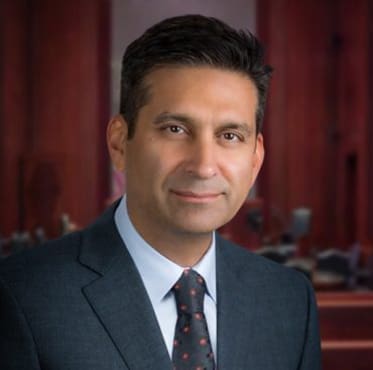


Why Clients Choose Max Alavi, APC
- Super Lawyers recognition based on peer review
- Extensive experience in California probate law
- Millions recovered in trust and probate litigation
- Strategic handling of trust and estate disputes
- Proven advocacy for surviving spouses and heirs
- Clear guidance through complex probate matters
- Outstanding dedication to every one of our clients




Let's Work Together - Tell Us Your Needs
At Max Alavi, Attorney at Law, APC, we understand the complexities of California probate law and are committed to providing solutions for trust and estate disputes. Contact us today to speak with one of our legal staff.