
Santa Clarita Surviving Spouse Rights Attorney
Top Ranked Trust & Probate Lawyers in California
5-Star Client Rating | Read Our Reviews
Below is your formatted single-column table with hop-links, styled as requested.
Quick Navigation:
Introduction |
About Max Alavi, Attorney at Law |
Surviving Spouse Rights in Santa Clarita |
Related Practice Areas |
Santa Clarita Demographics |
Directions from Santa Clarita |
Santa Clarita Surviving Spouse Rights Legal Support
At Max Alavi, Attorney at Law, we understand the unique and sensitive challenges that surviving spouses face when navigating legal matters in Santa Clarita. Our firm specializes exclusively in Surviving Spouse Rights, ensuring every client receives focused expertise, compassionate support, and dedicated advocacy during emotionally difficult times. Clients in Santa Clarita trust us because we combine deep legal knowledge with the personalized attention that only a boutique practice can offer.
- Decades of focused experience in Surviving Spouse Rights
- Clear, empathetic guidance through complex legal processes
- Tailored strategies designed for each client’s unique needs
“Our commitment is to protect your rights and empower you with the information and representation you need to move forward with confidence.”
Choose Max Alavi, Attorney at Law for trustworthy, results-driven counsel in Santa Clarita. Let us help you find clarity and peace of mind as you navigate your rights as a surviving spouse.
Our Trust Litigation Case Process

1. Case Evaluation
We begin with a full review of the trust, will, financial records, and family history. Our legal team will identify your rights, deadlines, and the best legal path before anything is filed.

2. Court Filings
The case formally begins when a probate petition or trust lawsuit is filed in California probate court, often in Orange County Superior Court. This step sets the legal issues, brings all parties into the case.

3. Discovery and Settlement
Both sides exchange documents, take depositions, and file motions to address disputes. Many trust and probate cases resolve here through settlement discussions or court ordered mediation.

4. Trial and Resolution
If no agreement is reached, the case proceeds to trial before a probate judge. After a ruling, the court orders distributions, removals of fiduciaries, or financial recovery, and we handle enforcement or appeals if needed.
Begin Your Free Case Evaluation Now
Call to schedule a free and confidential consultation with a trust litigation lawyer.

About Max Alavi, Attorney at Law
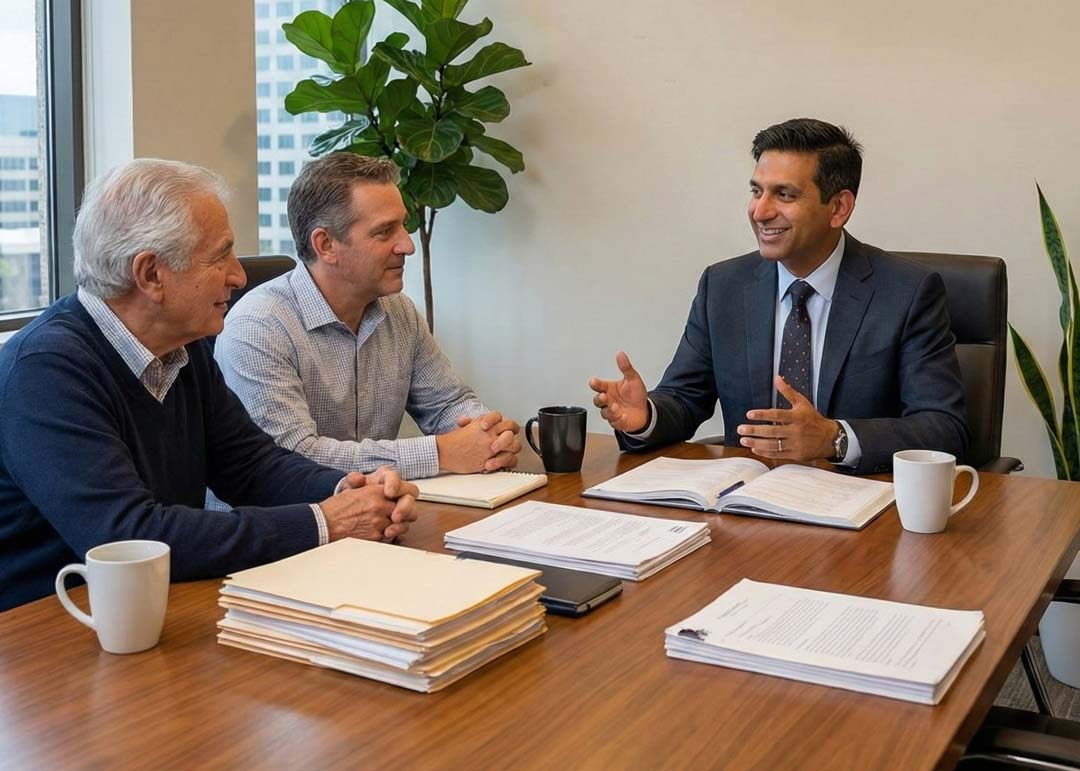
Max Alavi, Attorney at Law, located in Santa Clarita, is a distinguished firm renowned for delivering expert legal guidance in Surviving Spouse Rights and a spectrum of related estate and trust matters. Since its inception, the firm has been guided by Max Alavi’s belief that each client deserves tailored strategies and empathetic counsel. Backed by years of experience and a proactive approach, Max Alavi, Attorney at Law provides skillful navigation through complex probate, trust administration, and estate planning challenges, ensuring every client’s objectives are championed with integrity and diligence.
At Max Alavi, Attorney at Law in Santa Clarita, commitment, accessibility, and transparent communication are core values. The firm takes pride in building lasting partnerships, offering resources and clarity to surviving spouses and families facing pivotal transitions. With a mission rooted in compassion and professionalism, Max Alavi, Attorney at Law distinguishes itself by blending legal sophistication with genuine care, empowering clients to make informed decisions about their legacies and loved ones’ futures. The firm’s dedication to excellence extends beyond Surviving Spouse Rights, reflecting a broad commitment to serving the community with respect and unwavering advocacy.
An Interesting Fact About Surviving Spouse Rights in Santa Clarita
A lesser-known but important aspect of California law affecting surviving spouse rights in Santa Clarita involves the state’s “omitted spouse” rule. If a person dies leaving a will or trust created before marriage, California law generally entitles the surviving spouse to a share of the estate—even if not specifically mentioned. This statute aims to protect spouses from unintentionally being disinherited, but exceptions apply, so it’s crucial to understand how property gets distributed under such circumstances.
Overview of Surviving Spouse Rights Laws in Santa Clarita
Surviving spouse rights in Santa Clarita are shaped by a combination of California state statutes and local court practices, as outlined by Max Alavi, Attorney at Law. California is a community property state, which means that, upon the death of a spouse, the surviving partner is generally entitled to one-half of the community property—assets and property acquired during the marriage. The law typically ensures the surviving spouse is protected from being entirely disinherited unless certain strict legal requirements are met, and Santa Clarita courts adhere closely to these protections. Further, if the deceased spouse left a will or trust, the interpretation and enforcement of these documents fall under the jurisdiction of the Los Angeles County Superior Court, which oversees Santa Clarita. Court processes may include formal probate, the validation of estate planning documents, and hearings to resolve any disputes regarding the distribution of assets.
- Community property laws guarantee a minimum inheritance to surviving spouses unless valid agreements or waivers exist.
- California law provides for a “statutory share” to prevent total disinheritance, even in the presence of a will omitting the spouse.
- Potential penalties for failing to properly address a spouse’s inheritance rights may include legal challenges leading to costly litigation or delayed asset distribution.
“Max Alavi, Attorney at Law, brings deep insight into local probate procedures and community property regulations, helping clients in Santa Clarita navigate the complex probate and estate planning framework to secure their rightful inheritance.”
With a significant presence in the Santa Clarita area, Max Alavi, Attorney at Law provides comprehensive guidance on how state and local laws affect surviving spouse rights. The firm’s experience spans navigating intricate court filings, defending or contesting wills, and working through disputes involving blended families, omitted spouses, or ambiguous trust provisions. Their expertise helps clients avoid common pitfalls such as missed filing deadlines, misinterpretation of statutory entitlements, or procedural errors that could jeopardize their rights. By leveraging their nuanced understanding of Santa Clarita court processes and their dedicated focus on estate planning and probate resolution, the firm ensures optimal outcomes for clients seeking security and clarity in the wake of a spouse’s passing.
Other Services Available
```html
Probate Litigation |
https://www.octrustslawyer.com/probate-litigation/ |
Trustee Defense |
https://www.octrustslawyer.com/trustee-defense/ |
Inheritance Disputes |
https://www.octrustslawyer.com/inheritance-disputes/ |
Probate And Trust Administration |
https://www.octrustslawyer.com/probate-trust-administration/ |
Conservatorship |
https://www.octrustslawyer.com/conservatorships/ |
Surviving Spouse Rights |
https://www.octrustslawyer.com/surviving-spouse-rights/ |
Understanding Your Surviving Spouse Rights with Max Alavi, Attorney at Law
Are you unsure about your legal rights as a surviving spouse after the loss of a loved one? Max Alavi, Attorney at Law is here to guide you with compassionate and expert legal support. Our attorneys will thoroughly evaluate every detail of your case, ensuring your rights and interests are fully protected. Contact us today at (949) 706-1919 for a free, 30-60 minute initial consultation. Let us help you secure the peace of mind and legal clarity you deserve.
Santa Clarita Demographics
Santa Clarita, located in northern Los Angeles County, is one of the state’s fastest growing cities. As of the mid-2020s, the city’s estimated population is approximately 229,000, making it among the largest cities in the region. Its population features a median age of around 37, indicating a relatively balanced mix of young families, working-age adults, and a substantial segment aged 65 and older. Notable demographic features include:
- Diversity: The city is ethnically diverse, with non-Hispanic Whites, Hispanic or Latino residents, Asian Americans, and African Americans constituting significant portions of the population.
- Socioeconomic indicators: The median household income is well above the national average, estimated at approximately $110,000–$115,000. The city’s per capita income is also higher than state and national benchmarks.
- Poverty rates: Santa Clarita maintains a relatively low poverty rate compared to Los Angeles County as a whole, reflecting its family-oriented, middle- to upper-middle-class profile.
- Growth trends: Steady population growth has been driven by new housing developments, job opportunities, and the city’s reputation for safety and quality schools.
Santa Clarita’s demographic profile makes it desirable for families and professionals, with ongoing trends indicating sustained expansion, increasing diversity, and an elevated standard of living.
Santa Clarita Probate Court System
Probate and trust matters for Santa Clarita residents are adjudicated through the Superior Court of California, County of Los Angeles, specifically at the Stanley Mosk Courthouse in downtown Los Angeles. The courthouse’s Probate Division exercises jurisdiction over all probate, trust, conservatorship, guardianship, and related estate matters arising within Los Angeles County. Key details relevant for legal clients include:
- Court Division: The Probate Division at the Stanley Mosk Courthouse handles case types such as:
- Decedent estate administration
- Will contests and trust litigation
- Conservatorship and guardianship proceedings
- Complex probate and trust disputes
- Elder and dependent adult protection petitions
- Petitions involving surviving spouse rights in estate administration
- Special Features:
- The Los Angeles County probate court system is among the largest in California, with robust case management tools and e-filing capabilities for probate documents.
- Dedicated probate clerks, online case search, and scheduled hearing calendars are available to help parties and attorneys track the progress of their cases.
- Strict adherence to California Probate Code and local court rules is enforced, including procedures for spousal property petitions, summary administration, and statutory timeframes for notice and hearing.
While Santa Clarita does not have its own probate court, all residents utilize the centralized county probate divisions, which provide comprehensive probate services, including those that specifically address the rights of surviving spouses under California law.
Family Demographics in Santa Clarita
Santa Clarita is notably family-oriented, with a household structure that underscores its community appeal for those raising children. Noteworthy family demographic indicators for the city include:
- Family vs. Non-Family Households:
- Approximately 75% of households in Santa Clarita are classified as family households, a percentage higher than many urban California cities.
- Non-family (single, roommate) households constitute the remainder, reflecting a mix of young professionals and retirees.
- Family Size: The average household size is 3.1 persons, with family households averaging 3.3 persons, demonstrating the presence of multi-child families.
- Divorce Rates: Divorce rates in Santa Clarita are moderate relative to state averages. While complete city-specific divorce statistics are not published separately, Los Angeles County sees thousands of new family law filings annually, including for Santa Clarita residents.
- Income:
- Median family income is consistently above $115,000 per year, with dual-income households common due to proximity to major Southern California employers.
- Per capita income is estimated at over $43,000.
- Poverty rates among families remain lower than statewide averages.
- Education and Schooling:
- Santa Clarita is primarily served by the William S. Hart Union High School District (grades 7–12) and several elementary districts, including Saugus Union and Newhall School Districts.
- Local schools are highly regarded for academic achievement, test scores, and extracurricular programs, and many families move to the city to access these educational opportunities.
- Social Programs:
- The city provides a range of youth, family, and senior programs, including after-school enrichment, mental health resources, and legal aid for residents in need.
- Services for low-income families and individuals are coordinated in collaboration with Los Angeles County and local nonprofits.
Overall, Santa Clarita’s family demographic profile, favorable income levels, strong school systems, and social resources make it an ideal location for families seeking quality of life and legal protection, including matters involving surviving spouse rights under California law.
Trust Litigation
Areas We Serve
At Max Alavi, Attorney at Law, we have decades of experience in dealing with complex trust litigation matters throughout California. When you hire our legal team, you are bringing on the best and toughest litigators around to aggresively fight on your behalf.
What Our Amazing Clients Have To Say


Why Clients Choose Max Alavi, APC
- Super Lawyers recognition based on peer review
- Extensive experience in California probate law
- Millions recovered in trust and probate litigation
- Strategic handling of trust and estate disputes
- Proven advocacy for surviving spouses and heirs
- Clear guidance through complex probate matters
- Outstanding dedication to every one of our clients




Let's Work Together - Tell Us Your Needs
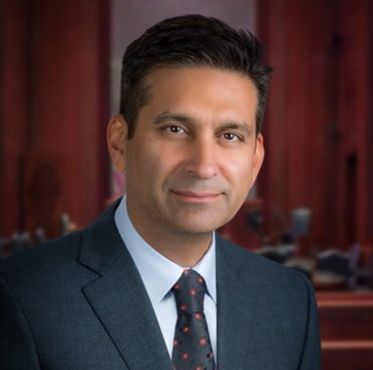
At Max Alavi, Attorney at Law, APC, we understand the complexities of California probate law and are committed to providing solutions for trust and estate disputes. Contact us today to speak with one of our legal staff.