
Tustin Financial Elder Abuse Attorney
Top Ranked Trust & Probate Lawyers in California
5-Star Client Rating | Read Our Reviews
Financial Elder Abuse Attorneys in Tustin
At Max Alavi, Attorney at Law, we are dedicated to fiercely protecting the rights of seniors and their families facing Financial Elder Abuse in Tustin. Our seasoned legal team combines deep expertise in this specialized area with an unwavering commitment to our clients, ensuring every case receives the focused attention it deserves. Clients can count on our firm not only for our proven track record and compassionate counsel but also for our strategic, client-focused approach.
- Decades of combined experience in Financial Elder Abuse law
- Personalized service tailored to each client’s unique situation
- Local knowledge and resources in Tustin for effective advocacy
“At Max Alavi, Attorney at Law, your peace of mind and your loved one’s financial security always come first.”
Our Trust Litigation Case Process

1. Case Evaluation
We begin with a full review of the trust, will, financial records, and family history. Our legal team will identify your rights, deadlines, and the best legal path before anything is filed.

2. Court Filings
The case formally begins when a probate petition or trust lawsuit is filed in California probate court, often in Orange County Superior Court. This step sets the legal issues, brings all parties into the case.

3. Discovery and Settlement
Both sides exchange documents, take depositions, and file motions to address disputes. Many trust and probate cases resolve here through settlement discussions or court ordered mediation.

4. Trial and Resolution
If no agreement is reached, the case proceeds to trial before a probate judge. After a ruling, the court orders distributions, removals of fiduciaries, or financial recovery, and we handle enforcement or appeals if needed.
Begin Your Free Case Evaluation Now
Call to schedule a free and confidential consultation with a trust litigation lawyer.


About Max Alavi, Attorney at Law
Max Alavi, Attorney at Law in Tustin represents a premier choice for individuals seeking authoritative guidance in Financial Elder Abuse and related legal matters. Established on a foundation of deep expertise and a client-centric approach, the firm has become known for its robust advocacy and unwavering commitment to protecting the most vulnerable within the community. Max Alavi, backed by a highly skilled team, brings years of experience handling complex trust, probate, and elder law cases. The firm’s history showcases not just successful outcomes, but also a longstanding commitment to ethical practices and personalized legal solutions tailored to each client's unique circumstances.
Located in the heart of Tustin, Max Alavi, Attorney at Law sets itself apart with a philosophy rooted in compassion, transparency, and diligent representation. Clients benefit from the firm’s extensive knowledge in Financial Elder Abuse while also accessing support for a broad range of estate planning and trust-related needs. The values of honesty, dedication, and respect are evident in every interaction, with Max Alavi leading by example in prioritizing clients’ dignity and peace of mind. The firm’s legacy is built not only on legal excellence, but on fostering lasting relationships and delivering steadfast support through every step of the legal process.
An Interesting Fact About Financial Elder Abuse in Tustin, California
In California, financial elder abuse cases—particularly in communities like Tustin—can involve not just obvious acts, such as theft or fraud, but also more subtle behaviors like the misuse of a power of attorney. A key but lesser-known fact is that California Civil Code section 3294 allows courts to award punitive damages in certain elder abuse actions if the conduct is proven to be oppressive, fraudulent, or malicious. This provision underscores the seriousness with which California treats financial abuse against elders, offering additional deterrence and potential compensation.
Overview of Financial Elder Abuse Laws in Tustin
Financial elder abuse in Tustin is addressed under California’s comprehensive elder protection statutes, which are designed to prevent the exploitation of seniors and dependent adults. As explained by Max Alavi, Attorney at Law, these laws define financial elder abuse as the illegal or improper use of an elder’s funds, assets, or property. Key local regulations require that anyone who suspects such abuse—whether by family members, caregivers, professionals, or unrelated individuals—promptly report the situation, as failure to do so can have both legal and ethical consequences. The court process in Tustin often begins with an official report or petition, leading to investigations, protective orders, and civil remedies such as asset recovery, with the courts empowered to issue restraining orders or require restitution if abuse is proven.
- Financial elder abuse can include unauthorized withdrawals, changes to wills or trusts, or fraudulent real estate transactions.
- Court remedies may involve reversal of transactions, return of assets, and protective measures for ongoing safety.
- Violators can face civil penalties, damages, and, in some cases, criminal charges under California law.
“Effective intervention often depends on rapid action, well-documented evidence, and skilled advocacy to protect vulnerable elders.” – Insights from Max Alavi, Attorney at Law
With extensive experience in Tustin, Max Alavi, Attorney at Law provides crucial guidance for clients concerned about financial elder abuse, utilizing deep knowledge of relevant statutes and court procedures. Their team specializes in navigating the complexities of elder financial abuse cases, from identifying subtle forms of coercion or fraud to pursuing both immediate protective action and long-term legal remedies. By collaborating closely with local authorities and leveraging strategic advocacy, they offer practical solutions—such as mediation, negotiated settlements, or, if necessary, litigation—to resolve disputes and recover misappropriated assets. Their insights into local regulations, court protocols, and creatively resolving cases ensure clients receive informed and supportive representation throughout the process.
Other Services Available
Financial Elder Abuse |
https://www.octrustslawyer.com/financial-elder-abuse/ |
Dedicated Advocates for Victims of Financial Elder Abuse at Max Alavi, Attorney at Law
If you or a loved one has experienced financial elder abuse, it’s vital to act quickly and protect your rights. The experienced attorneys at Max Alavi, Attorney at Law will thoroughly evaluate every detail of your situation and work tirelessly to build a strong defense on your behalf. For compassionate, effective help, contact us now for a free 30- to 60-minute initial consultation at (949) 706-1919.
Tustin Demographics
Tustin, California is a well-established city in central Orange County, with an estimated population of approximately 80,000 residents as of the mid-2020s. Population expansion has been moderate, reflecting both new residential developments and a stable core of long-term residents. Key demographic highlights include:
- Population size: Approximately 80,000–82,000 residents.
- Age distribution: Median age in the mid-30s. Significant segments of the population include children and young adults, along with a growing proportion of older adults and seniors.
- Ethnic and racial diversity: Tustin is ethnically diverse:
- Major racial groups: White, Hispanic or Latino, Asian, African American, and others.
- Latino/Hispanic and Asian communities represent significant portions of the population.
- Socioeconomic indicators:
- Median household income: Approximately $90,000–$100,000, reflecting Orange County’s higher cost of living but remaining somewhat below county averages.
- Per capita income is moderate, with a range of socioeconomic backgrounds represented.
- Poverty rates are slightly higher than neighboring Irvine, especially among families with children and seniors on fixed incomes.
- Housing: Mix of owner-occupied and rental properties; substantial portion of residents are long-term homeowners.
- Notable trends: The city has seen a gradual increase in older adult (age 65+) residents, contributing to greater focus on senior services, elder care, and legal issues affecting older populations.
Tustin Probate Court System
Tustin is subject to the probate jurisdiction and systems of Orange County, administered by the Superior Court of California, County of Orange. Residents of Tustin with probate, trust, or elder law concerns—including financial elder abuse matters—interact primarily with the following components of the court system:
- Main probate venue: Probate and Trust matters are heard at the Central Justice Center in Santa Ana, the designated site for probate cases countywide.
- Probate Court Division: Handles matters related to:
- Estates administration (with or without a will)
- Trust disputes and administration
- Guardianships (for minors)
- Conservatorships (for incapacitated adults, frequently arising in financial elder abuse cases)
- Matters of elder and dependent adult abuse, including financial elder abuse, where the court can issue orders for protection, accountings, and asset recovery
- Case management: Probate cases are assigned to specialized judicial officers with experience in estates, trusts, and financial protection of elders. The court has procedures to expedite urgent matters, such as temporary restraining orders in financial abuse cases.
- Access and filings:
- Online case access is available through the Superior Court of Orange County website, allowing for public review of case status, filings, and hearing dates.
- Clerk’s office at the Central Justice Center provides in-person and remote support for filings, questions, and court document access.
- Unique features:
- The court collaborates with the Orange County Public Guardian and Adult Protective Services on complex elder abuse and conservatorship cases.
- Probate examiners review filings for compliance and sufficiency before hearings, which is especially relevant for families facing urgent financial elder abuse threats.
- Local court rules govern deadlines, notice procedures, and emergency petitions; the California Probate Code applies in all matters.
Family Demographics in Tustin
Tustin’s family profile reflects its suburban character and relative affordability within Orange County. Important demographic facts for families include:
- Household types:
- Majority of Tustin households are family households, though a large percentage of singles and senior-specific households exist as well.
- Approximately 66% of households are classified as family households, with a substantial number of households headed by married couples.
- Average household size: About 2.9 persons per household, slightly above the national average, indicating multigenerational families are common.
- Divorce rates:
- Divorce rates in Orange County are moderate to high for California, and Tustin’s divorce filings mirror these trends.
- Relevant matters are filed in the Family Law division at the Lamoreaux Justice Center in Orange, which serves Tustin residents.
- Income and economic mobility:
- Median household income in the range of $90,000–$100,000; family incomes tend to be somewhat higher—especially for dual-income households.
- Per capita income reflects a working- and middle-class economic base, with some families earning substantially more and others qualifying for local, state, and federal assistance programs.
- Education and schools:
- Tustin Unified School District (TUSD) is the primary public school provider, offering well-regarded elementary, middle, and high school options.
- Graduation and college-readiness rates are strong, and several public and private schools are recognized for academic achievement.
- Social programs:
- Robust senior services, including senior centers, meal programs, and Adult Protective Services for at-risk older adults vulnerable to financial elder abuse.
- Family support resources such as community centers, family counseling, and child care programs.
- Partnerships with local nonprofits and Orange County agencies to provide legal support, health resources, and financial education.
Tustin’s community resources and legal systems are well-positioned to support families, individuals, and elders needing legal advice or protection, including those concerned about financial elder abuse or estate matters.
Trust Litigation
Areas We Serve
At Max Alavi, Attorney at Law, we have decades of experience in dealing with complex trust litigation matters throughout California. When you hire our legal team, you are bringing on the best and toughest litigators around to aggresively fight on your behalf.
What Our Amazing Clients Have To Say
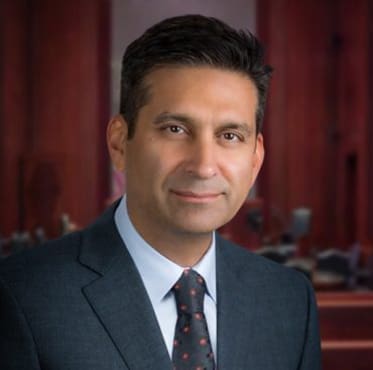


Why Clients Choose Max Alavi, APC
- Super Lawyers recognition based on peer review
- Extensive experience in California probate law
- Millions recovered in trust and probate litigation
- Strategic handling of trust and estate disputes
- Proven advocacy for surviving spouses and heirs
- Clear guidance through complex probate matters
- Outstanding dedication to every one of our clients




Let's Work Together - Tell Us Your Needs
At Max Alavi, Attorney at Law, APC, we understand the complexities of California probate law and are committed to providing solutions for trust and estate disputes. Contact us today to speak with one of our legal staff.