
Santa Ana Estate Planning Attorney
Top Ranked Trust & Probate Lawyers in California
5-Star Client Rating | Read Our Reviews
Estate Planning Services in Santa Ana
At Max Alavi, Attorney at Law, we specialize in providing comprehensive Estate Planning solutions for individuals and families throughout Santa Ana. Our team combines in-depth legal expertise with a client-focused approach to help you protect your assets, secure your legacy, and bring peace of mind to your loved ones. Whether you're drafting a simple will or navigating complex trusts, we tailor every plan to your unique goals and circumstances.
- Personalized estate plans designed around your needs
- Clear guidance through every step of the legal process
- Decades of experience serving the Santa Ana community
"At Max Alavi, Attorney at Law, we treat every client like family—dedicated to safeguarding your future with integrity and care."
Our Trust Litigation Case Process

1. Case Evaluation
We begin with a full review of the trust, will, financial records, and family history. Our legal team will identify your rights, deadlines, and the best legal path before anything is filed.

2. Court Filings
The case formally begins when a probate petition or trust lawsuit is filed in California probate court, often in Orange County Superior Court. This step sets the legal issues, brings all parties into the case.

3. Discovery and Settlement
Both sides exchange documents, take depositions, and file motions to address disputes. Many trust and probate cases resolve here through settlement discussions or court ordered mediation.

4. Trial and Resolution
If no agreement is reached, the case proceeds to trial before a probate judge. After a ruling, the court orders distributions, removals of fiduciaries, or financial recovery, and we handle enforcement or appeals if needed.
Begin Your Free Case Evaluation Now
Call to schedule a free and confidential consultation with a trust litigation lawyer.


About Max Alavi, Attorney at Law
Max Alavi, Attorney at Law is a respected legal pillar in Santa Ana, renowned for its distinguished focus on Estate Planning as well as a full spectrum of related legal services. With a legacy rooted deeply in client service and legal excellence, the firm was established by Max Alavi to deliver personalized, reliable solutions for individuals, families, and business owners. Through diligent preparation and clear communication, Max Alavi, Attorney at Law has become synonymous with thorough case analysis and outcome-focused strategy, whether addressing complex trusts, probate matters, or other estate-related concerns. The team’s approach is marked by professionalism, empathy, and a sincere commitment to helping clients secure their legacy with confidence.
Located in the heart of Santa Ana, Max Alavi, Attorney at Law stands apart by combining extensive knowledge of California estate law with values-driven advocacy. The firm is known for its bespoke service model, which tailors legal strategies to the unique goals and circumstances of every client. Guided by principles of integrity and respect, the team provides trusted counsel in times of complexity and transition. Max Alavi, Attorney at Law has built long-standing client relationships through unwavering dedication, attentive representation, and a holistic approach to Estate Planning that ensures stability for generations to come.
An Interesting Fact About Estate Planning in Santa Ana, California
Many residents of Santa Ana, California may not realize that state law allows for the creation of a “small estate affidavit” to transfer assets without formal probate. If the total value of the deceased's property in California is under $184,500 (as of 2024), heirs can typically claim assets, like bank accounts or vehicles, with streamlined paperwork. This lesser-known procedure can save significant time, stress, and costs during the estate settlement process.
Overview of Estate Planning Laws in Santa Ana
Estate planning in Santa Ana is shaped by a robust framework of California statutes, which include the Probate Code and a range of local regulations designed to safeguard individuals’ assets and legacy. According to information from Max Alavi, Attorney at Law, effective estate planning addresses not just the transfer of wealth, but also the appointment of guardians for dependents, management of healthcare directives, and optimal arrangements to minimize tax burdens or probate delays. Santa Ana courts generally require careful adherence to valid legal documentation—including wills, trusts, durable powers of attorney, and advanced healthcare directives—to ensure a decedent’s wishes are properly honored. The court process may involve probate proceedings if an estate plan is absent or incomplete, which can increase the time and complexity of asset distribution.
- California law recognizes both revocable and irrevocable trusts, which can be instrumental in avoiding probate and controlling asset distribution.
- State-specific requirements, such as witness signatures and proper notarization, are vital for validating wills and estate documents.
- Failure to plan may result in assets being distributed per California’s intestate succession laws, potentially contrary to the individual’s intent.
“Possible resolutions to common estate planning challenges include the use of living trusts, customized wills, and clear directives that can help families avoid costly legal disputes and ensure smooth transitions.” – Insights from Max Alavi, Attorney at Law
With extensive experience guiding clients in Santa Ana, Max Alavi, Attorney at Law provides tailored advice that reflects both local legal requirements and each client’s unique circumstances. The firm’s expertise includes preparing detailed estate documents, advising on probate avoidance strategies, and providing representation in local court processes if disputes arise. Their dual focus on regulatory compliance and personalized planning helps Santa Ana residents protect their heirs from unnecessary taxation, court delays, or conflicts. By skillfully navigating the intricacies of California estate law, Max Alavi, Attorney at Law empowers families to achieve clarity, control, and peace of mind over their legacy and end-of-life wishes.
Comprehensive Estate Planning with Max Alavi, Attorney at Law in Orange County
Protect your loved ones and your legacy with effective estate planning from Max Alavi, Attorney at Law. Our experienced attorneys will meticulously evaluate every aspect of your situation to create a customized plan that secures your future. Schedule your free 30-60 minute initial consultation by calling (949) 706-1919 and let our approachable team guide you through every step with confidence and clarity. Take the next step towards peace of mind today.
Santa Ana Demographics
Santa Ana, California, serves as the county seat of Orange County and is one of its most populous and vibrant communities. According to recent U.S. Census Bureau estimates, the city’s population is approximately 310,000 residents, making it the fourth largest city in the county. Santa Ana exhibits a relatively young age profile, with a median age of about 32 years. Nearly one-third of residents are under 18, indicating a strong presence of families with children and a high percentage of youth and young adults.
- Diversity: Santa Ana is one of the most diverse cities in Orange County. A substantial majority—over 75%—of residents identify as Hispanic or Latino, with smaller segments of White (non-Hispanic), Asian, and African-American populations. The city is bilingual, with Spanish widely spoken alongside English in homes and local businesses.
- Socioeconomic Indicators:
- Median household income stands at approximately $73,000, which is below both the county and statewide median.
- Per capita income is comparatively modest, and the city features higher-than-average poverty rates relative to the broader Orange County region.
- Santa Ana has an above-average population density, reflecting a significant number of multi-generational and multi-family households as well as a high rental occupancy rate.
- Notable Trends:
- Continued population growth, driven largely by young families and immigrant communities.
- Ongoing economic initiatives aimed at improving employment opportunities and access to affordable housing.
Santa Ana Probate Court System
Probate, trust, and related estate matters in Santa Ana are handled by the Superior Court of California, County of Orange. The central courthouse for probate filings and hearings is the Central Justice Center, located in downtown Santa Ana. This facility serves as the county courthouse seat, where most probate proceedings for Santa Ana residents take place.
- Jurisdiction: The court has authority over all probate estate administrations, trust disputes, guardianships, conservatorships, and proceedings concerning the protection of incapacitated, elderly, or minor individuals within Orange County.
- Case Types Handled Include:
- Decedents’ estates (with or without a valid will)
- Contested and uncontested trust administration
- Guardianships of minors and conservatorships of incapacitated adults
- Petitions for instructions, accountings, and the removal or appointment of fiduciaries
- Elder abuse restraining orders and other protective proceedings
- Unique Features:
- Santa Ana residents file probate matters directly with the Central Justice Center, which streamlines filings and hearings for all county residents.
- The division offers online case access, enabling attorneys and litigants to track filings, scheduled hearings, and retrieve court documents.
- The Probate/Mental Health Division employs specialized staff and judicial officers to administer these complex case types efficiently.
Attorneys and individuals seeking probate or trust administration services in Santa Ana should be aware of local rules and filing requirements promulgated by the Orange County Superior Court, in addition to adhering to statewide California Probate Code provisions.
Family Demographics in Santa Ana
The family structure and household composition in Santa Ana reflect its youthful population and strong community ties:
- Family vs. Single Households:
- A significant majority of households (over 80%) are family households, with a notable portion including two or more generations living together.
- Santa Ana has a lower percentage of single-person households compared to many other urban areas in Orange County.
- Family Size:
- The average household size is approximately 4.1 persons, one of the highest in the county. Family sizes are larger than regional and national averages, often with three or more children.
- Divorce Rates:
- Santa Ana’s divorce rates reflect broader Orange County trends: While exact city-level figures are not publicly available, county data indicates a moderate but steady volume of divorce filings each year.
- Family and Per Capita Income:
- Median family income is estimated at approximately $77,000. Many families rely on dual incomes, and extended family support is common.
- Per capita income is lower than the county median, reflecting both large households and a younger population profile.
- Education and Social Programs:
- Served by the Santa Ana Unified School District (SAUSD), one of the largest in California, encompassing over 50 schools and serving more than 45,000 students. The district is known for its bilingual education and robust support programs for at-risk youth.
- Popular social programs include after-school programs, family resource centers, youth development initiatives, and services aimed at low-income and immigrant families.
- Community organizations and city departments collaborate to provide a range of resources, including child care subsidies, nutrition assistance, and legal aid for family-related matters.
Trust Litigation
Areas We Serve
At Max Alavi, Attorney at Law, we have decades of experience in dealing with complex trust litigation matters throughout California. When you hire our legal team, you are bringing on the best and toughest litigators around to aggresively fight on your behalf.
What Our Amazing Clients Have To Say
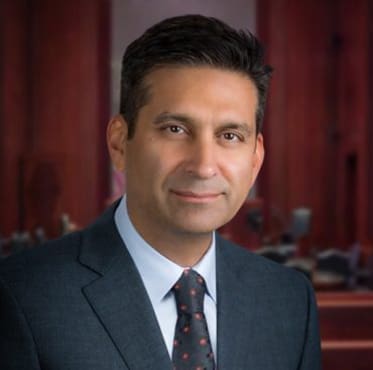


Why Clients Choose Max Alavi, APC
- Super Lawyers recognition based on peer review
- Extensive experience in California probate law
- Millions recovered in trust and probate litigation
- Strategic handling of trust and estate disputes
- Proven advocacy for surviving spouses and heirs
- Clear guidance through complex probate matters
- Outstanding dedication to every one of our clients




Let's Work Together - Tell Us Your Needs
At Max Alavi, Attorney at Law, APC, we understand the complexities of California probate law and are committed to providing solutions for trust and estate disputes. Contact us today to speak with one of our legal staff.