
Helpful Trust & Probate Blog Articles


Common Trust Disputes in Newport Beach: What High Value Estates Should Expect During Litigation
A trust dispute can place valuable property, family expectations, and long standing relationships under pressure. In Newport Beach, these cases often involve coastal real estate, investment accounts, private companies, or assets intended to support several generations.

Surcharge Actions Against Trustees in California: When Can a Beneficiary Recover Damages?
Under the California Probate Code, a surcharge can hold a trustee personally responsible for losses caused by misconduct, self dealing, improper distributions, poor recordkeeping, or other breaches of trust. These cases often depend on financial records, trust accountings, property values, and proof that the trustee’s actions directly caused harm.

Advantages of Marital Deduction Trusts and Bypass Trusts in Minimizing Federal Estate Taxes
Advantages of Marital Deduction Trusts and Bypass Trusts in Minimizing Federal Estate Taxes Top Ranked Trust & Probate Lawyers in California...

Can I Transfer My IRA and Other Tax-Deferred Plans to My Living Trust?
Can I Transfer My IRA and Other Tax-Deferred Plans to My Living Trust? Top Ranked Trust & Probate Lawyers in California 5-Star Client Rating |...

What are Family Limited Partnerships and LLCs?
What are Family Limited Partnerships and LLCs? Top Ranked Trust & Probate Lawyers in California 5-Star Client Rating | Read Our...
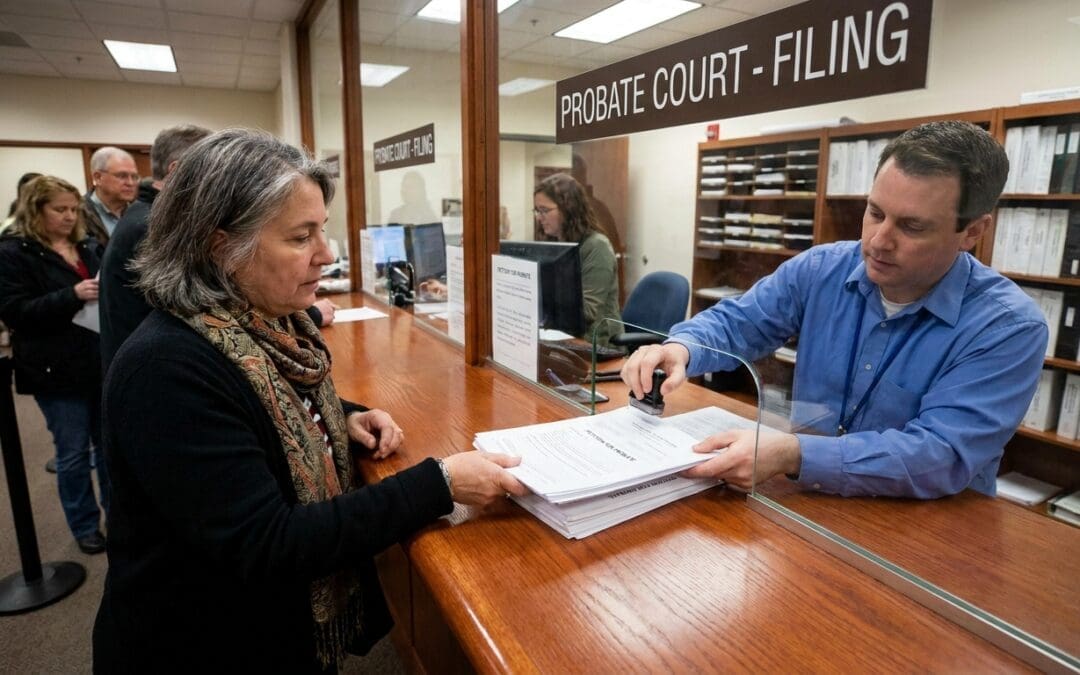
How Long Does Probate Take in California and What Can Delay It?
When a loved one passes away, their estate may need to pass through probate—the court-supervised process of validating a will, paying debts, and distributing assets. One of the most common questions families ask is: “How long does probate take in California?” The truth is that the probate process can take several months to several years, depending on the size of the estate, court schedules, disputes, creditor claims, and other complications.